

When I first started thinking about Toddler Independent Play Setups, I honestly just wanted a few quiet moments in my day, but I quickly realized it was about so much more than that. I noticed that when my child had a simple, inviting space designed just for play, creativity came naturally and frustration faded away. Toddler Independent Play Setups helped me shift from constantly entertaining to gently guiding, and our home began to feel calmer. I learned that independent play isn’t something toddlers magically know how to do, it’s something I can encourage by creating the right environment.
I also discovered that Toddler Independent Play Setups don’t need expensive toys or complicated planning. I started using things we already had at home, baskets, books, soft rugs, and everyday objects, and I watched how easily my toddler stayed engaged. Sometimes the best moments came from the simplest ideas, even similar to toddler activities at home without supplies, where imagination did most of the work. By keeping play areas simple and accessible, I found that my child played longer and felt more confident exploring independently.
Over time, Toddler Independent Play Setups became part of our daily rhythm rather than a special activity I had to organize. I noticed my toddler moving from one small play space to another with curiosity and independence, and I finally understood how powerful thoughtful setups could be. Creating Toddler Independent Play Setups allowed me to step back while still feeling connected and present, and it gave my child the freedom to learn through play in a way that felt natural, peaceful, and genuinely joyful for both of us.
Why You Need to Choose Toddler Independent Play Setups at Home
Creating Toddler Independent Play Setups at Home can completely change the rhythm of daily life for both parents and children. When toddlers learn to play independently, they build confidence, creativity, and problem-solving skills while you gain small but meaningful moments to rest or focus on other tasks. I’ve noticed that a thoughtfully prepared environment encourages curiosity naturally, allowing little ones to explore safely without constant direction. Instead of relying on screens or structured activities all day, these setups help toddlers develop imagination through simple, intentional play spaces designed just for them.
Another reason Toddler Independent Play Setups at Home matter is emotional development. Independent play teaches patience, focus, and self-regulation, which are essential early childhood skills supported by child-development research from organizations like the American Academy of Pediatrics and Zero to Three. When toddlers feel ownership over their play environment, they engage longer and more deeply. A calm, organized setup reduces overstimulation and helps children transition smoothly between activities, making everyday routines feel easier and more predictable for the entire family.
Helpful Tips to Consider Before Setting Up
Before creating Toddler Independent Play Setups at Home, start by observing your child’s interests, energy levels, and attention span. Choose low shelves, accessible baskets, and safe materials so toddlers can explore independently without needing constant help. Rotating toys weekly keeps excitement high while preventing clutter overload. Experts from Montessori Foundation recommend limiting choices to encourage deeper engagement rather than offering too many toys at once. Lighting, comfort, and safety also matter, soft rugs, defined play zones, and cozy corners help children understand where play begins and ends, making independent play feel natural and inviting.
15. Cozy Reading Corner Setup
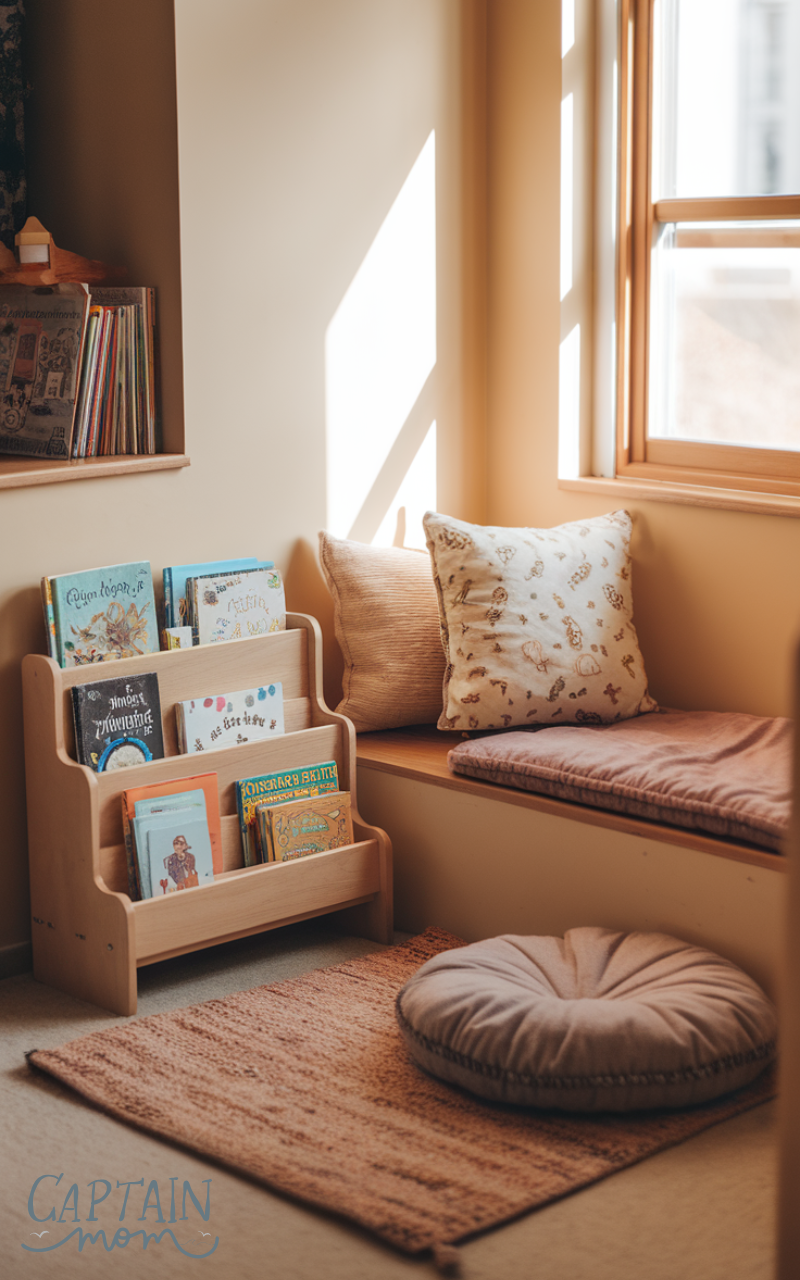
A cozy reading nook is one of the simplest Toddler Independent Play Setups at Home you can create. Place soft cushions, a small rug, and a forward-facing bookshelf so toddlers can easily see book covers. This setup invites quiet exploration and helps children develop early language skills while enjoying calm independent moments. Rotate books regularly to maintain curiosity and include board books with textures or flaps for engagement. When toddlers associate books with comfort and independence, they naturally return to this space throughout the day, building both focus and love for storytelling without needing constant adult interaction.
14. Open-Ended Block Play Station
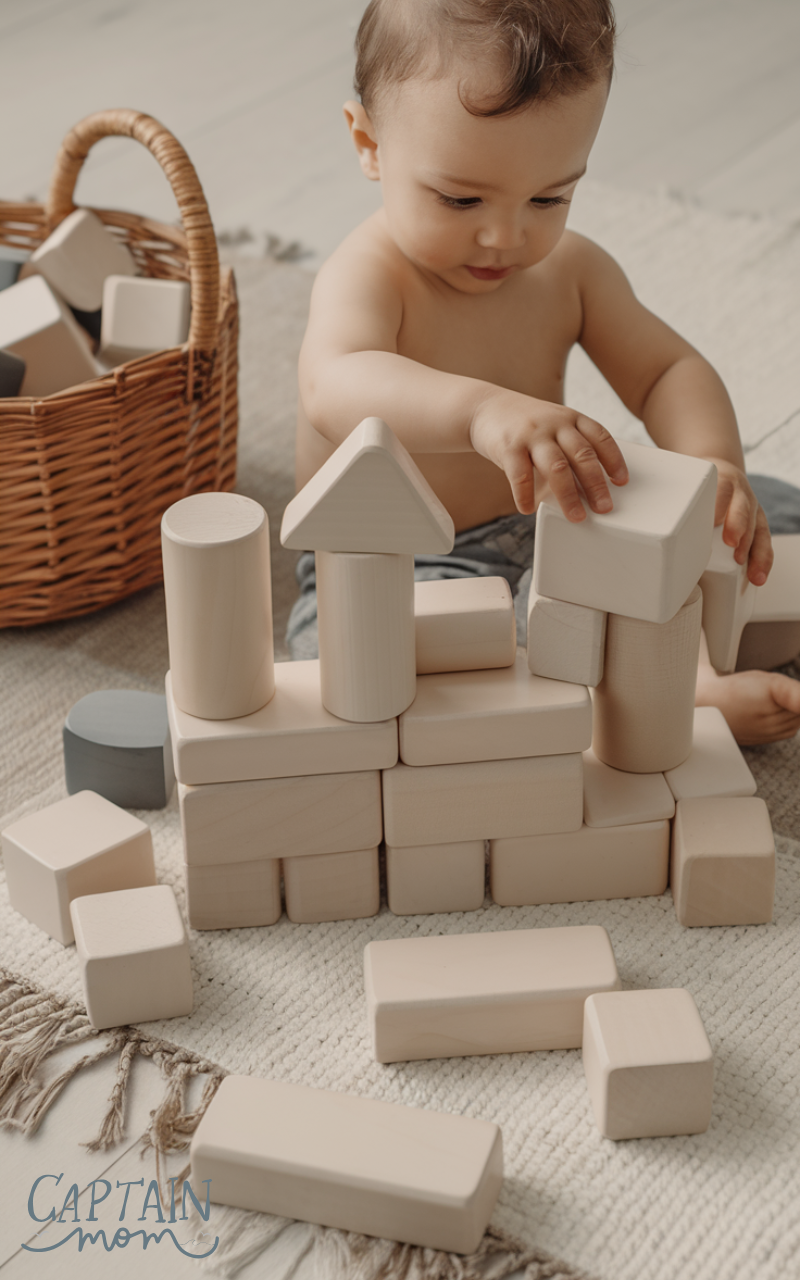
Block play encourages creativity and problem solving, making it perfect for Toddler Independent Play Setups at Home. Use wooden blocks or large stacking pieces stored in a low basket so toddlers can access them freely. Avoid complicated instructions and let imagination lead the activity. Children may build towers, roads, or simple shapes, each attempt strengthens motor skills and patience. Keeping the area uncluttered allows deeper concentration. Independent block play often lasts longer than structured toys because toddlers create their own goals, which supports cognitive development and sustained attention in a natural, playful way.
13. Pretend Kitchen Play Area

A small pretend kitchen transforms imaginative play into one of the most engaging Toddler Independent Play Setups at Home. Include toy food, lightweight utensils, and containers toddlers can open and close independently. Pretend cooking allows children to imitate daily routines they observe, helping them understand real-world experiences. Adding baskets instead of boxes makes cleanup easier and encourages independence. Toddlers often return to role-play repeatedly because it feels familiar and comforting. This setup builds creativity, language development, and emotional expression while keeping little ones happily occupied.
12. Sensory Bin Exploration Table
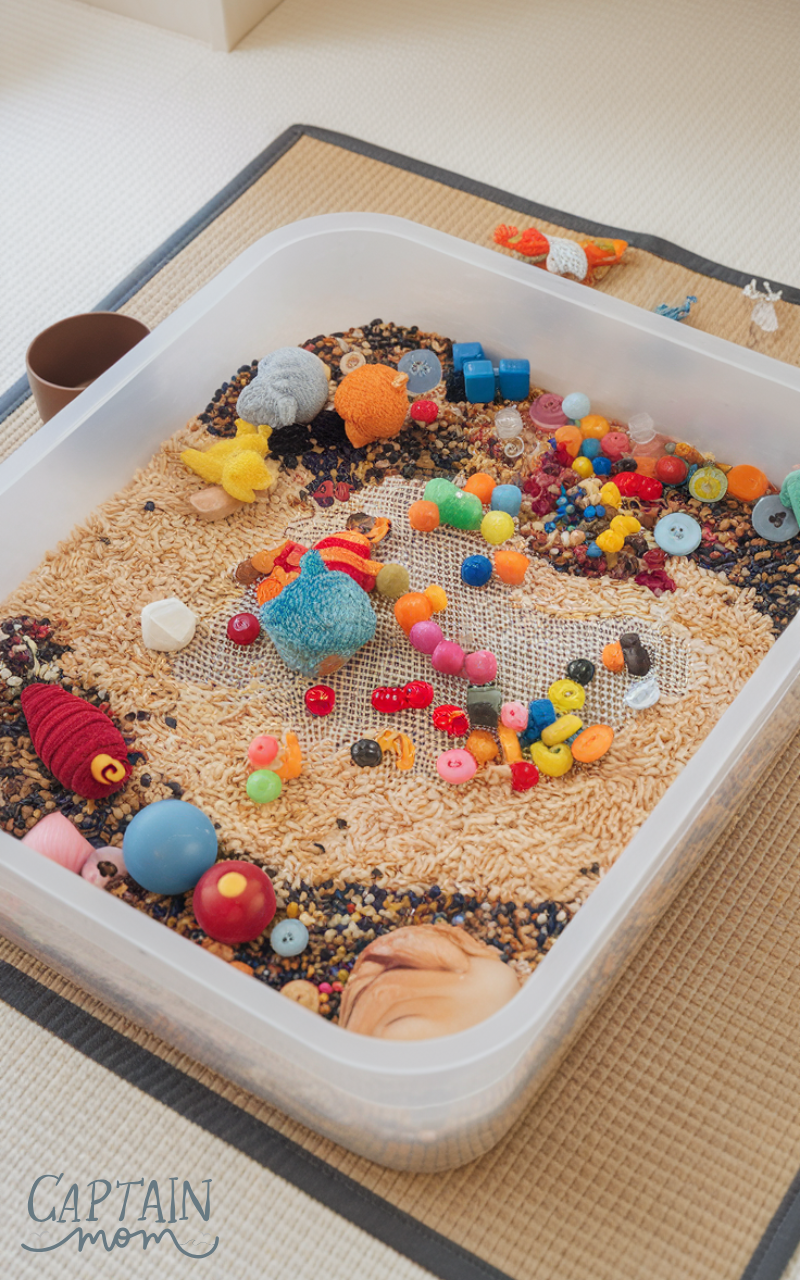
Sensory bins are powerful additions to Toddler Independent Play Setups at Home because they stimulate curiosity through touch and discovery. Fill a shallow container with rice, pasta, or safe sensory materials and add scoops or cups. Keep materials simple and rotate themes weekly to renew interest. Sensory play supports fine motor skills and concentration while offering calming benefits. Placing a mat underneath makes cleanup manageable and allows toddlers to explore freely without constant correction. This setup works especially well during quiet afternoons when children need focused, soothing play.
11. Puzzle and Sorting Shelf
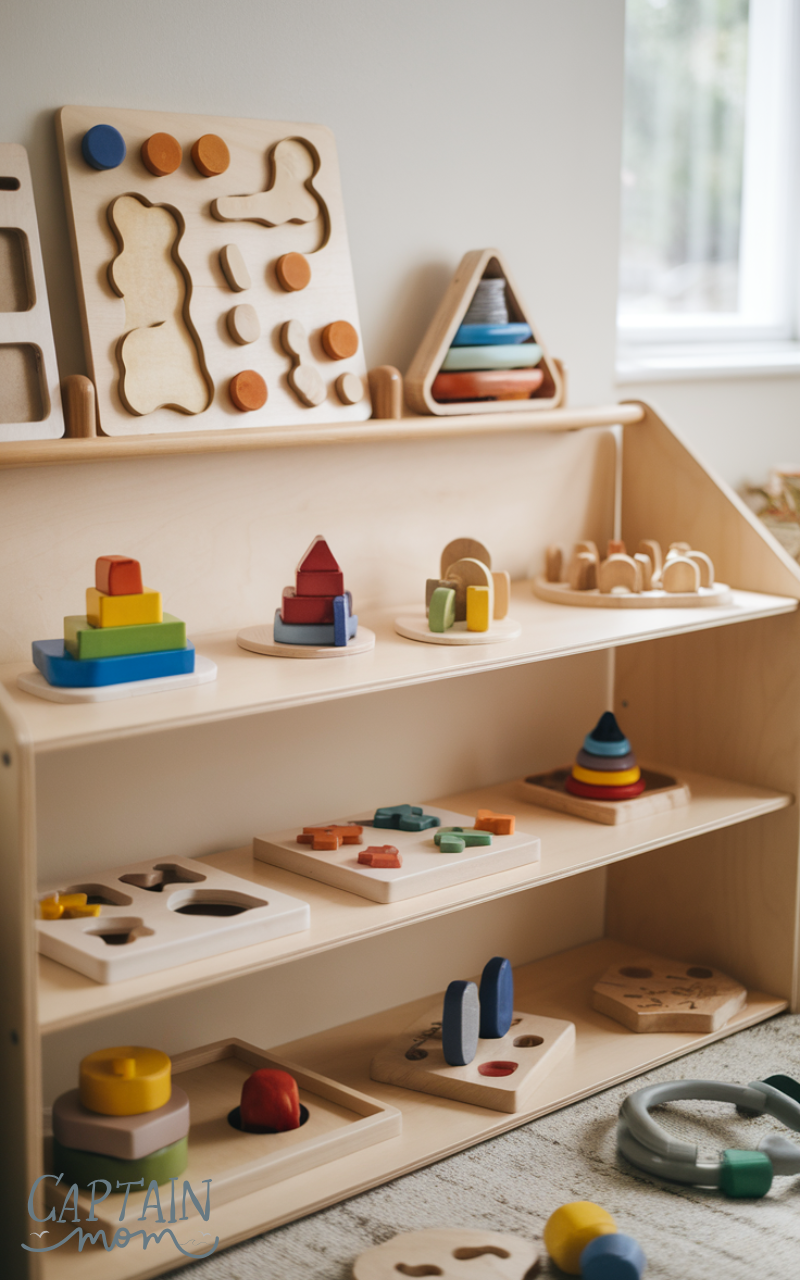
A dedicated puzzle shelf creates structured yet independent learning within Toddler Independent Play Setups at Home. Choose simple wooden puzzles, shape sorters, or matching games displayed individually rather than stacked. Clear presentation helps toddlers understand choices and return items independently. Completing puzzles builds persistence and confidence, encouraging repeated attempts without frustration. Keeping only a few puzzles available prevents overwhelm and increases engagement time. Over weeks, you’ll notice improved problem-solving skills and longer independent play sessions as toddlers master each challenge.
10. Art and Creativity Station

An accessible art corner turns creativity into daily independent exploration and enhances Toddler Independent Play Setups at Home. Provide washable crayons, paper, stickers, and a small table or tray. Limiting supplies avoids mess while still encouraging expression. Toddlers enjoy freedom to draw without instructions, which strengthens imagination and fine motor control. Displaying finished artwork nearby boosts confidence and motivates continued creativity. Independent art time also helps children process emotions through color and movement, making this setup both fun and developmentally supportive.
9. Toy Rotation Basket System
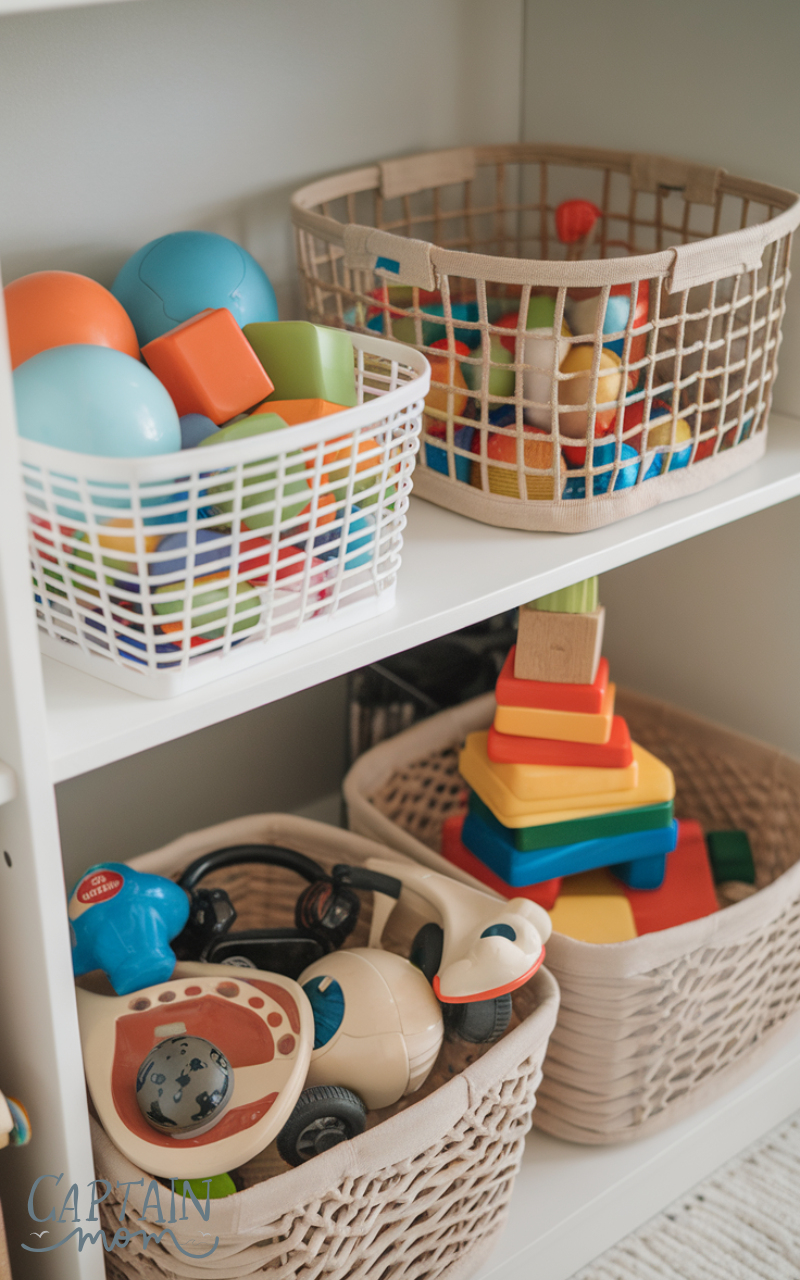
A toy rotation system is a secret weapon for effective Toddler Independent Play Setups at Home. Instead of offering all toys at once, divide them into baskets and swap weekly. Familiar toys feel new again, increasing engagement without buying anything new. This approach reduces clutter and overstimulation, helping toddlers focus longer. Parents often notice fewer tantrums because children feel less overwhelmed by choices. Organized rotation keeps play intentional and maintains excitement, making independent play sustainable over time.
8. Dress-Up and Role-Play Corner

Dress-up spaces add imagination and storytelling to Toddler Independent Play Setups at Home. Use a low hook rack or basket filled with hats, scarves, or simple costumes. Mirrors at toddler height encourage self-awareness and playful exploration. Role-playing helps children experiment with emotions and social skills while entertaining themselves. Keeping clothing lightweight and easy to wear supports independence. This setup often leads to long creative sessions where toddlers invent stories and characters entirely on their own.
7. Building and Construction Tray
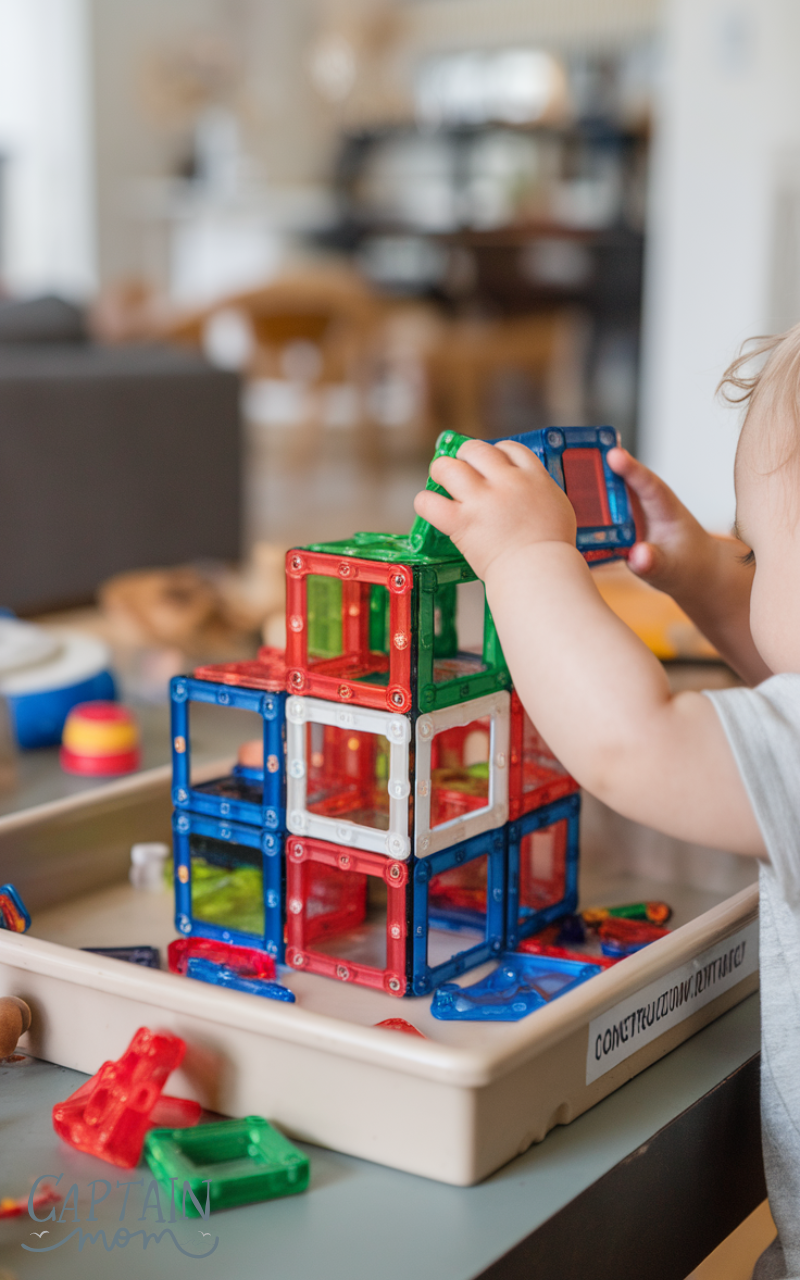
A construction tray with magnetic tiles or chunky connectors enriches Toddler Independent Play Setups at Home by combining creativity with engineering basics. Present pieces on a defined tray to signal where play happens and where cleanup belongs. Toddlers experiment with balance and shapes while strengthening hand coordination. Because outcomes are open-ended, children stay engaged longer. Independent building also encourages trial and error, an essential learning process that boosts resilience and confidence during play.
6. Music and Movement Area

Adding a music corner creates energetic balance within Toddler Independent Play Setups at Home. Include small instruments like shakers, drums, or bells stored in accessible bins. Music encourages rhythm awareness and emotional expression while allowing toddlers to release energy independently. Playing music softly in the background invites spontaneous dancing and movement. Rotating instruments maintains novelty while preventing overstimulation. This setup supports sensory development and helps toddlers regulate mood through sound and motion.
5. Nature Exploration Basket
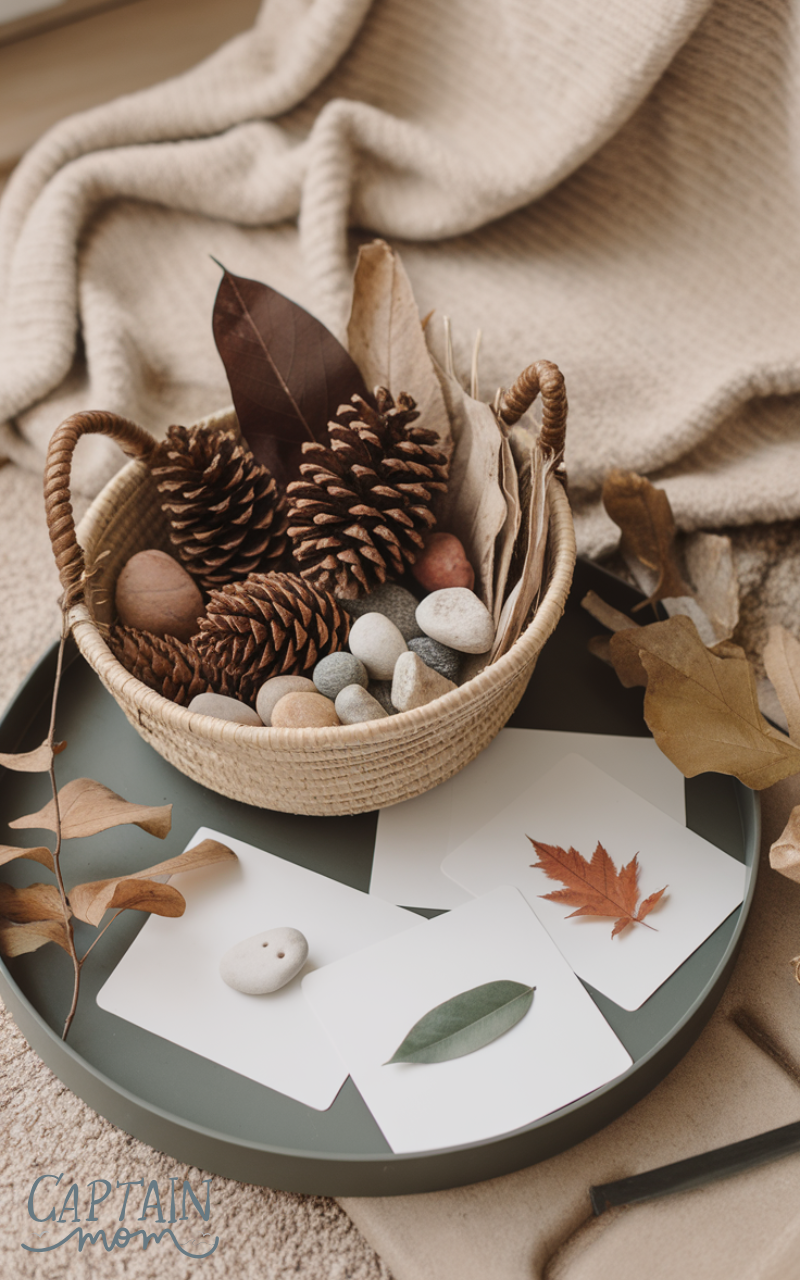
Nature baskets bring calm discovery into Toddler Independent Play Setups at Home. Fill a tray with pinecones, smooth stones, leaves, or safe natural objects collected during walks. Toddlers enjoy touching and sorting these items while learning about textures and the environment. Natural materials often hold attention longer because they feel real and unique. Pairing objects with simple picture cards can spark curiosity without structured teaching. This setup connects children with nature even when playing indoors.
4. Doll Care and Nurturing Station

A nurturing play area strengthens empathy within Toddler Independent Play Setups at Home. Provide dolls, blankets, and small accessories like bottles or beds. Toddlers imitate caregiving behaviors they observe, practicing kindness and emotional understanding. Independent nurturing play often becomes calming and repetitive, helping children self-soothe. Keeping items organized in baskets allows easy access and cleanup. This gentle setup supports emotional growth while encouraging imaginative storytelling during solo play.
3. Car and Track Play Zone

Vehicle play is naturally engaging, making it ideal for Toddler Independent Play Setups at Home. Use a play mat with roads or simple tracks paired with a small collection of cars. Limiting vehicles prevents distraction and encourages deeper play scenarios. Toddlers often create stories, races, or delivery adventures independently. Defined play boundaries help maintain focus and keep toys contained. This setup promotes coordination, imagination, and extended concentration time.
2. Fine Motor Skills Activity Tray
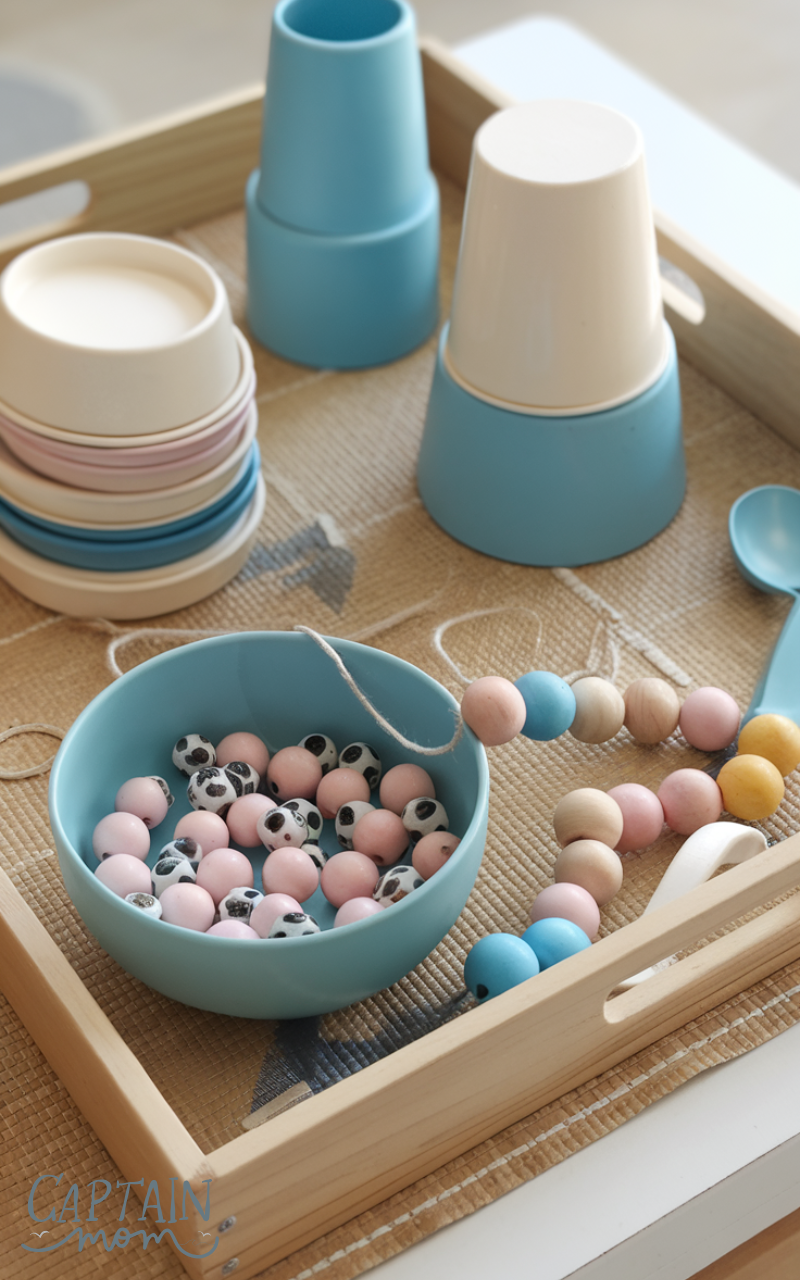
Fine motor trays are excellent additions to Toddler Independent Play Setups at Home because they quietly build essential skills. Include activities like bead threading, stacking cups, or transferring objects with spoons. Present one activity at a time to encourage mastery. Toddlers enjoy repeating movements, which strengthens hand muscles needed for writing later. These trays are especially useful during calm periods when focused engagement is desired without overstimulation.
1. Calm-Down Cozy Tent Space

A cozy tent or soft hideaway completes Toddler Independent Play Setups at Home by offering a peaceful retreat. Add pillows, stuffed animals, and dim lighting to create a comforting environment. Toddlers naturally seek quiet spaces when overwhelmed, and this setup teaches emotional regulation independently. The tent becomes a safe place for rest, reading, or gentle play. Having a calm zone balances energetic activities and supports self-awareness, helping children manage emotions while feeling secure.
Conclusion
Creating thoughtful Toddler Independent Play Setups at Home helps toddlers grow more confident, creative, and emotionally balanced while giving parents valuable breathing space during the day. By designing simple, accessible play zones tailored to your child’s interests, independent play becomes a natural part of daily routines rather than a struggle. Small adjustments can lead to longer engagement, happier playtime, and smoother transitions throughout the day. If you enjoyed these ideas and want more practical parenting and home inspiration, don’t forget to subscribe to the blog and stay updated with new guides designed to make family life easier and more joyful.