

Prepare Garden for Spring can feel confusing when your beds are bare, winter has already shown up, and every guide seems written for people who did everything “right” in the fall. The good news is that December is not too late to set yourself up for success. Right now, the focus is less about planting and more about protecting your soil, observing how your space behaves in cold weather, and making smart, low-effort moves that will pay off once temperatures rise.
On a warmer winter day, you can still lightly clean up small weeds, cover exposed soil with leaves, straw, or cardboard, and start a simple compost pile, even if it won’t break down fast yet. These small actions help preserve soil structure, prevent erosion, and keep weeds from getting a head start. This is also the perfect time to step back, plan bed use, and think through spacing and rotation using a clear vegetable garden layout so spring planting feels organized instead of rushed.
As you Prepare Garden for spring, winter is also your planning season. Order seeds early, sharpen tools, map out planting dates, and learn what grows best in your climate before the ground fully thaws. You don’t need to do everything now. You just need to set the stage so when spring arrives, your garden is ready to wake up fast, healthy, and productive.
14. Clean Up Garden Beds Thoroughly
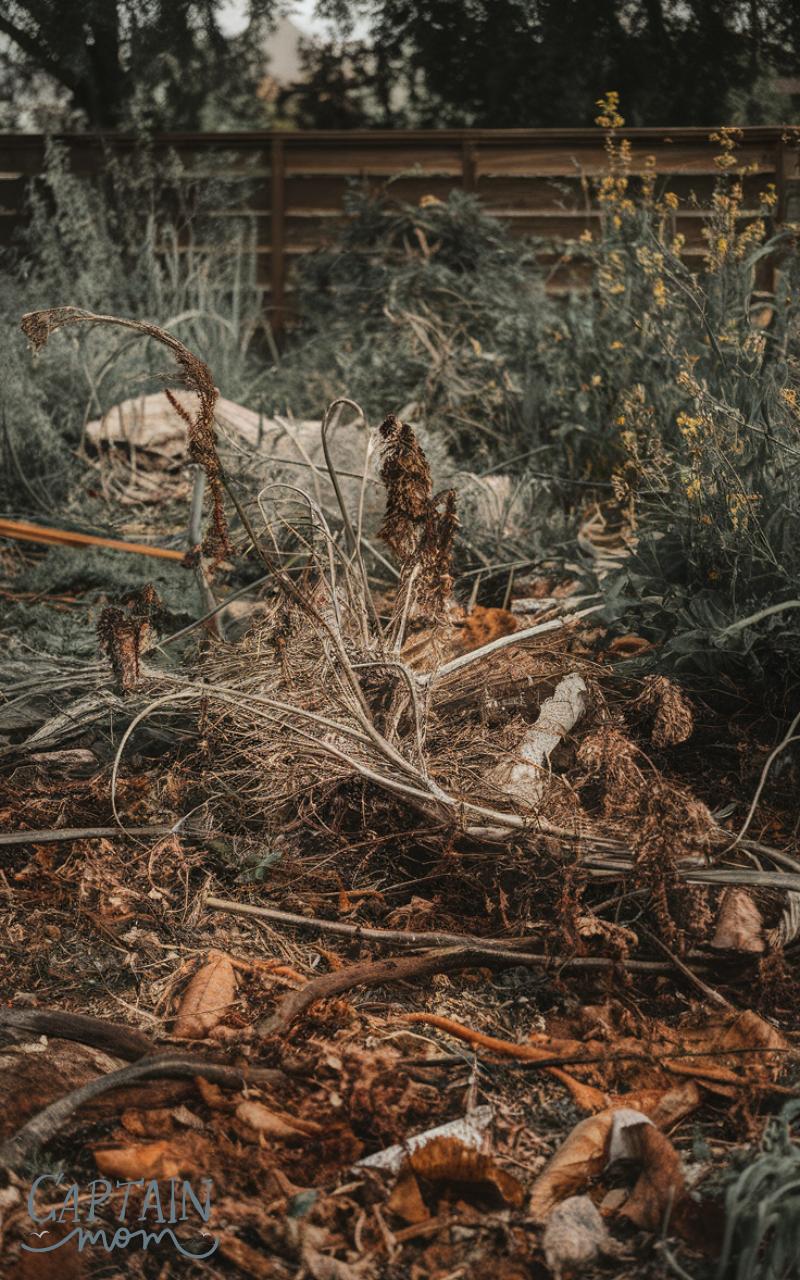
Cleaning garden beds is one of the most important steps in how to prepare garden for spring. Remove dead plants, fallen leaves, and weeds before winter fully settles in. This reduces pests and plant diseases that can survive in debris. A clean garden bed allows the soil to rest and recharge during cold months. Compost healthy plant waste and discard diseased material. This simple habit improves soil quality, supports beneficial insects, and makes spring planting easier and faster.
13. Test and Improve Your Soil

Cold season is ideal for understanding your soil’s needs. Testing soil helps you know what nutrients are missing, which is essential when learning how to prepare garden for spring. Add compost, manure, or organic matter to enrich it naturally. Winter moisture helps nutrients absorb deeper into the soil. Healthy soil means stronger plants, better blooms, and higher yields once spring arrives.
12. Mulch to Protect Roots
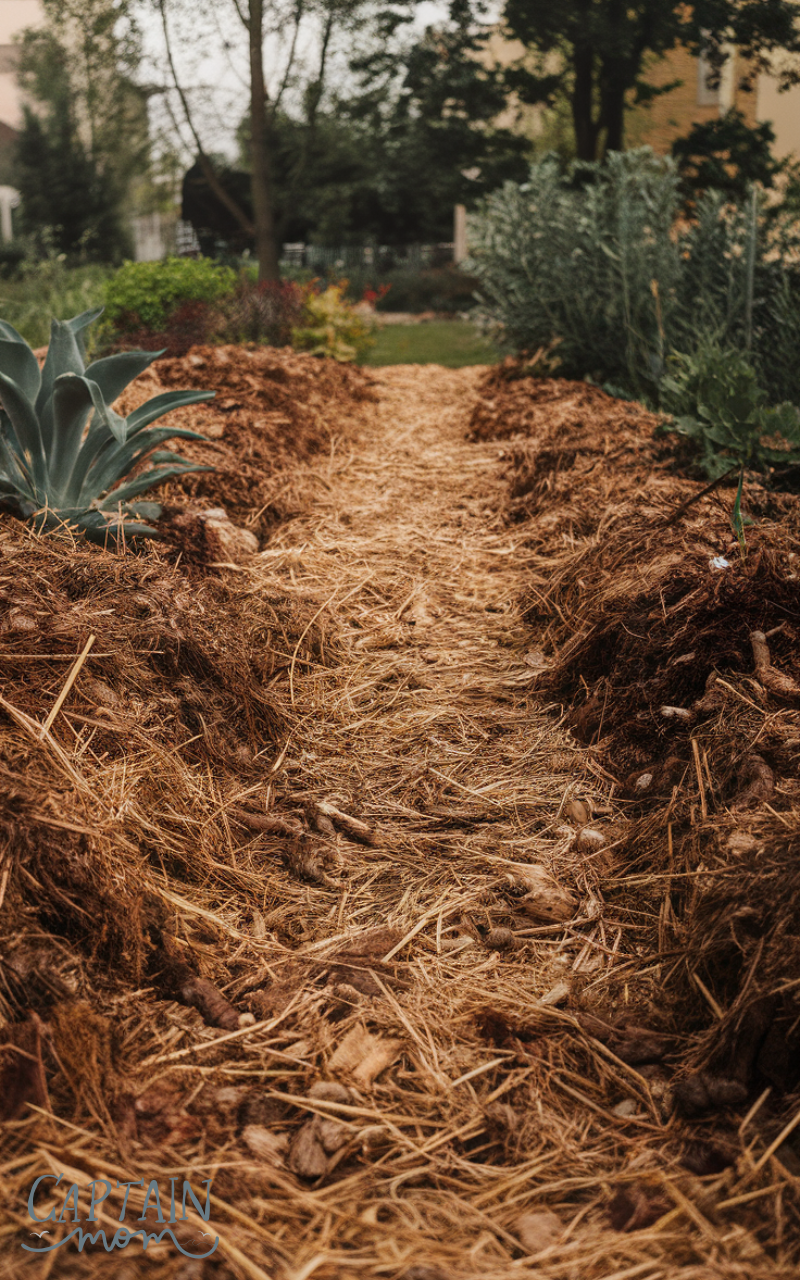
Mulching is a powerful way to protect plants during cold weather and a key part of how to prepare garden for spring. Apply organic mulch like straw, bark, or leaves to insulate soil and prevent erosion. Mulch keeps roots warm, controls weeds, and locks in moisture. When spring comes, mulch breaks down and feeds the soil, giving plants a strong start.
11. Prune Dormant Trees and Shrubs
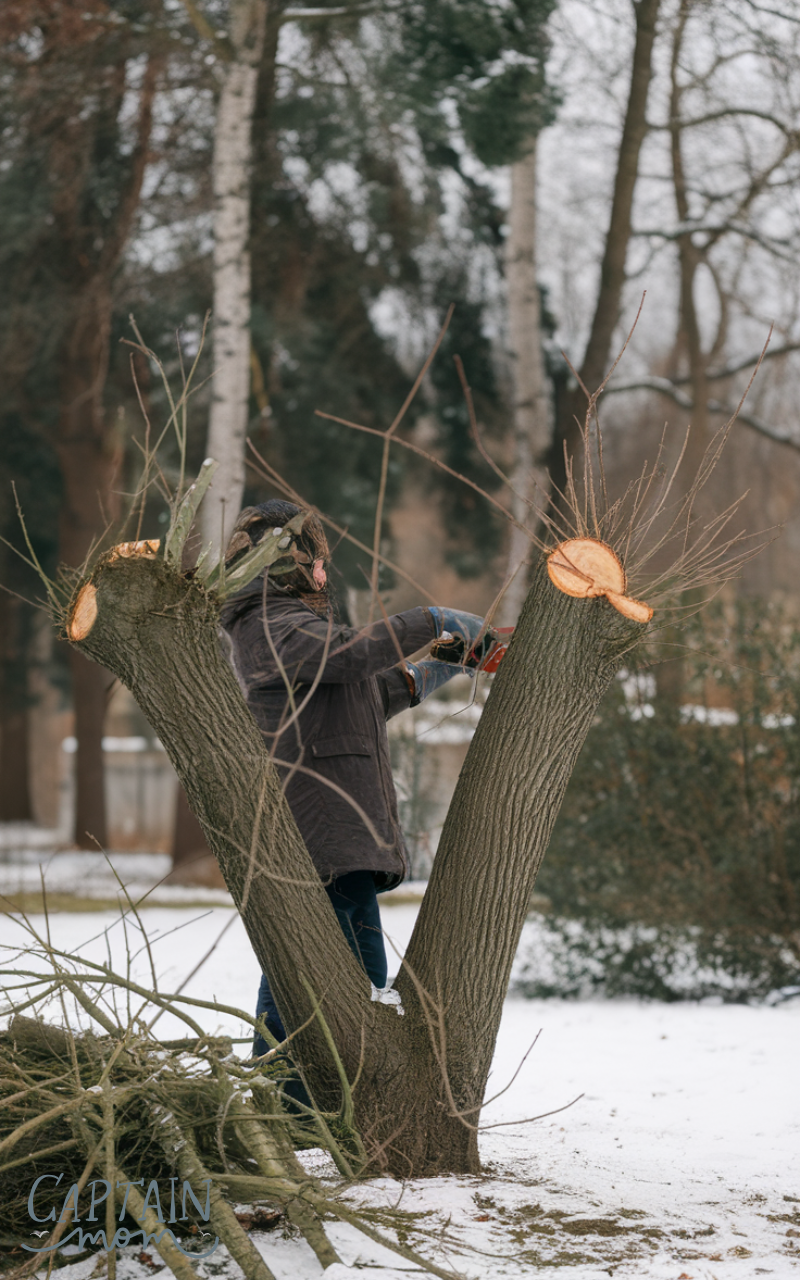
Winter pruning encourages healthy growth and is essential when planning how to prepare garden for spring. Remove dead or damaged branches while plants are dormant. This improves air circulation and shape while reducing disease risks. Avoid heavy pruning on spring-flowering plants. Proper pruning now results in stronger blooms and healthier growth later.
10. Protect Perennials From Frost
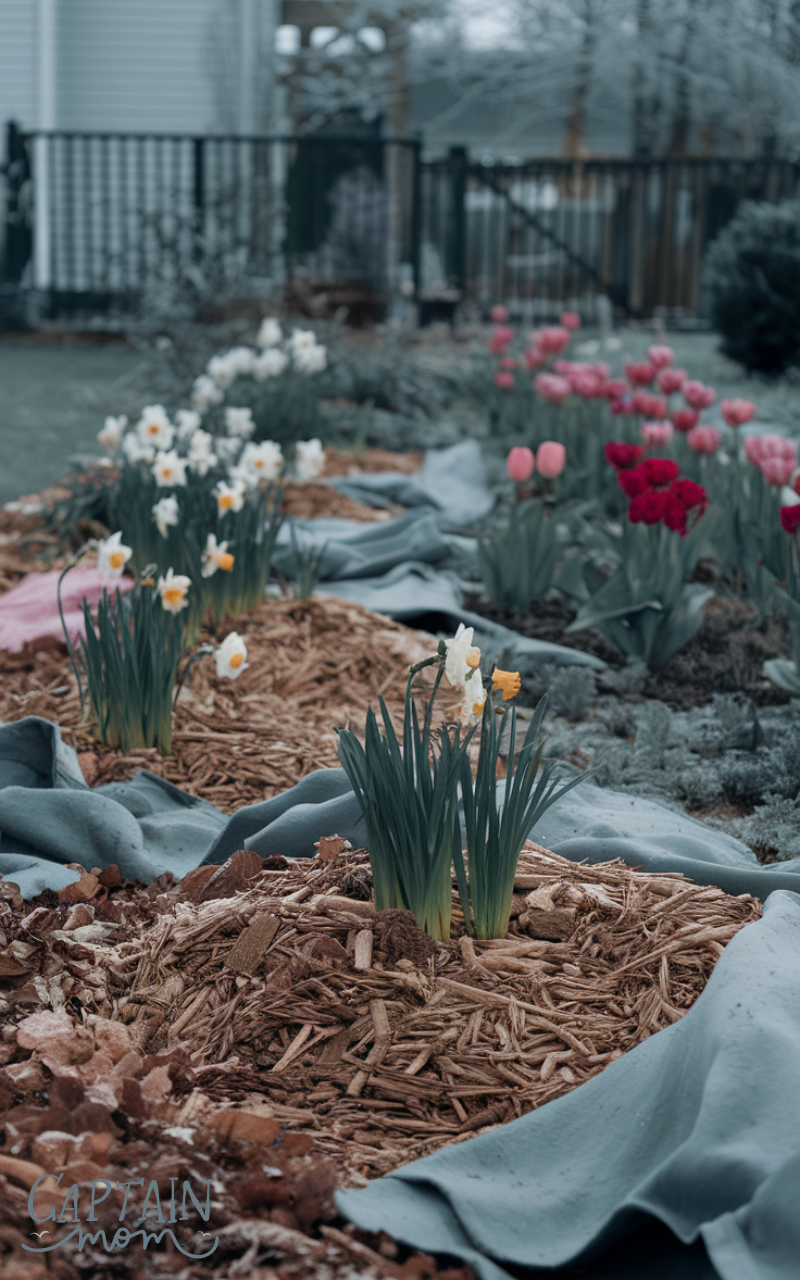
Perennials need extra care during cold months. Cover them with mulch or frost blankets as part of how to prepare garden for spring effectively. This protection prevents freeze damage and root stress. Once temperatures rise, remove coverings gradually. Healthy perennials bounce back faster and bloom beautifully in spring.
9. Drain and Store Garden Tools
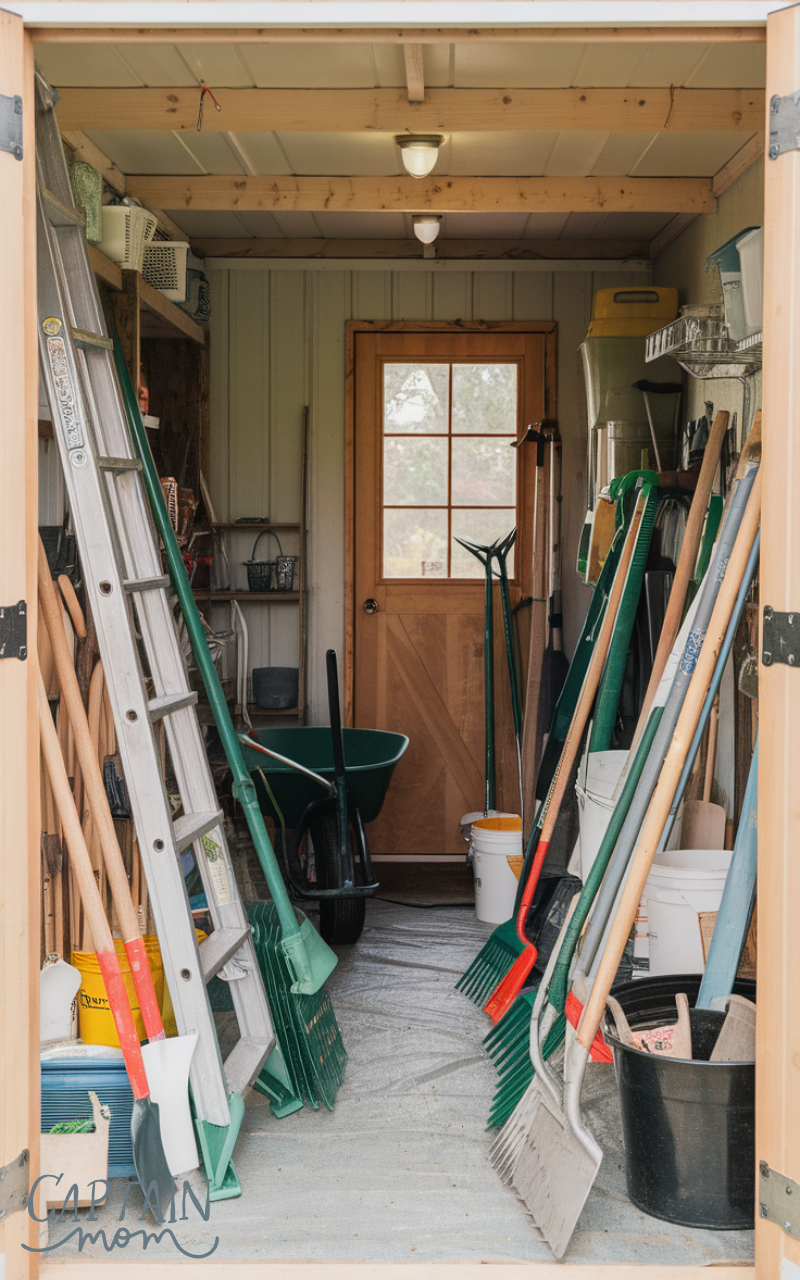
Tool maintenance is often overlooked in how to prepare garden for spring. Clean, sharpen, and oil tools before storing them. Drain hoses to prevent cracking from frozen water. Well-maintained tools last longer and make spring gardening smoother and safer.
8. Plan Your Spring Garden Layout
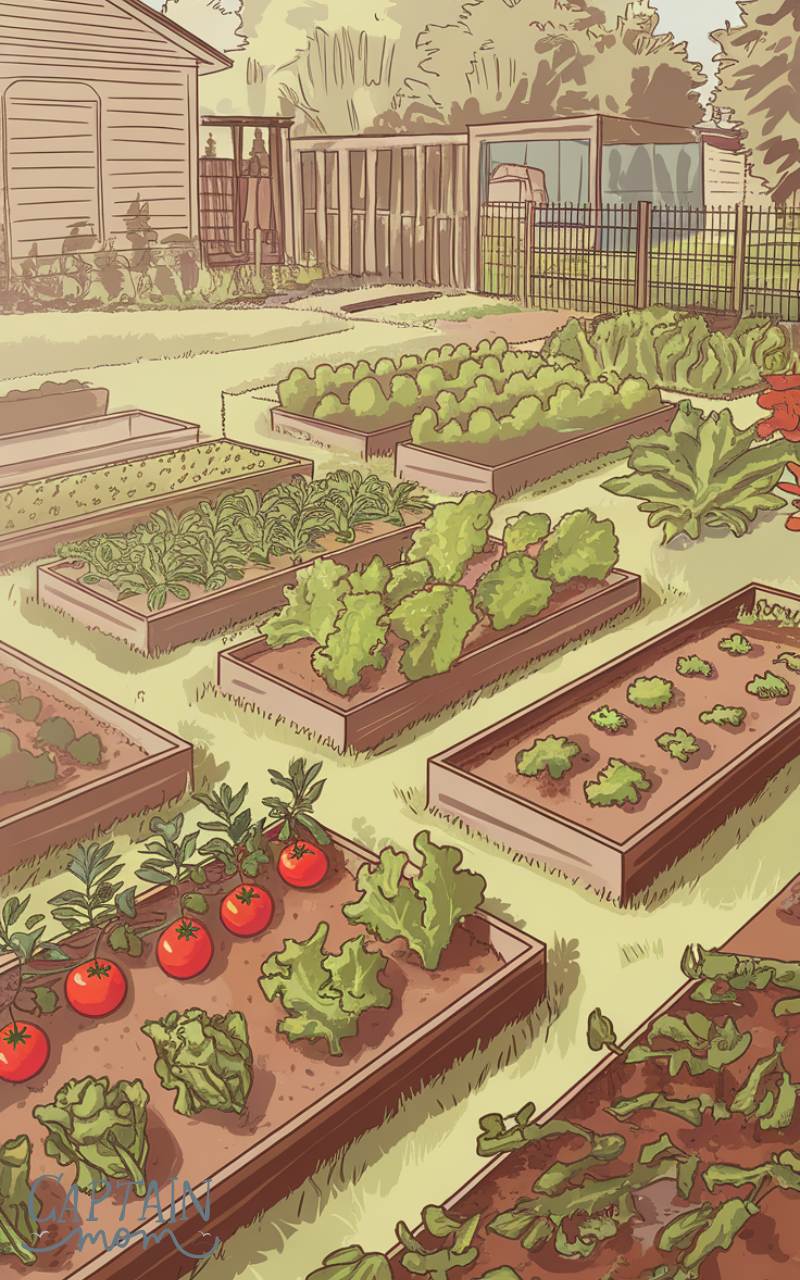
Cold season is perfect for planning. Sketch garden beds, choose crops, and rotate plants wisely. Planning ahead is a smart step in how to prepare garden for spring. It saves time, reduces mistakes, and helps you maximize space and sunlight once planting season begins.
7. Plant Cover Crops
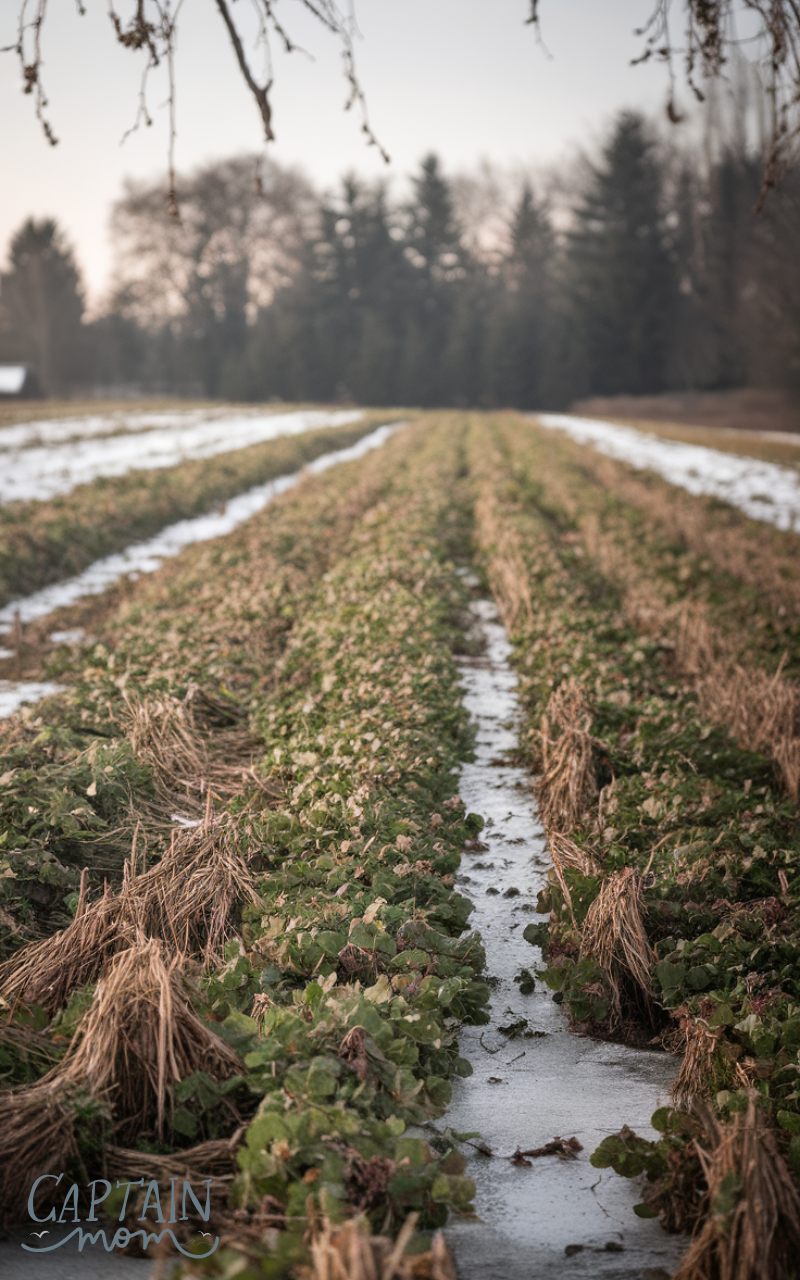
Cover crops like clover or rye protect soil during winter and are excellent for how to prepare garden for spring naturally. They prevent erosion, suppress weeds, and improve soil structure. In spring, turn them into the soil to add nutrients and organic matter.
6. Compost Through Winter
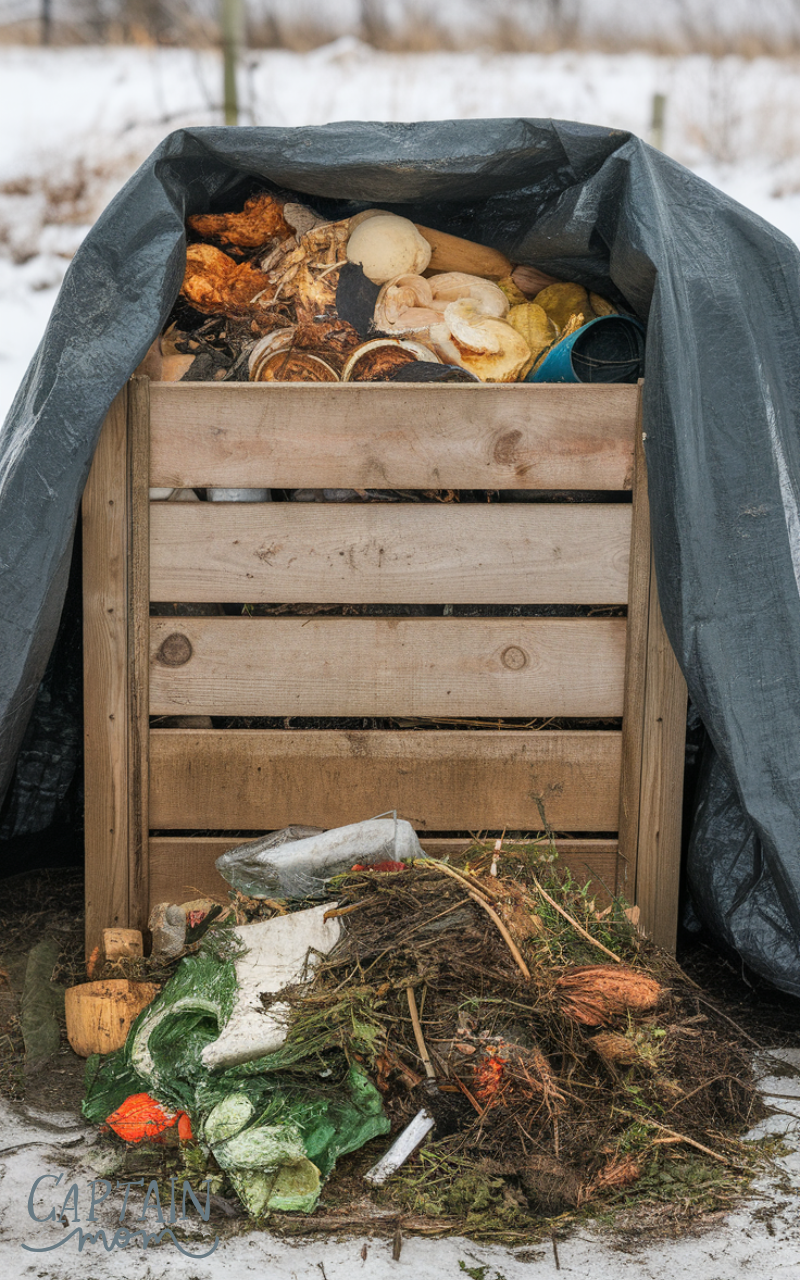
Composting doesn’t stop in winter. Adding kitchen scraps and garden waste supports how to prepare garden for spring sustainably. Compost enriches soil and reduces waste. By spring, you’ll have nutrient-rich compost ready to feed your plants.
5. Protect Garden Structures
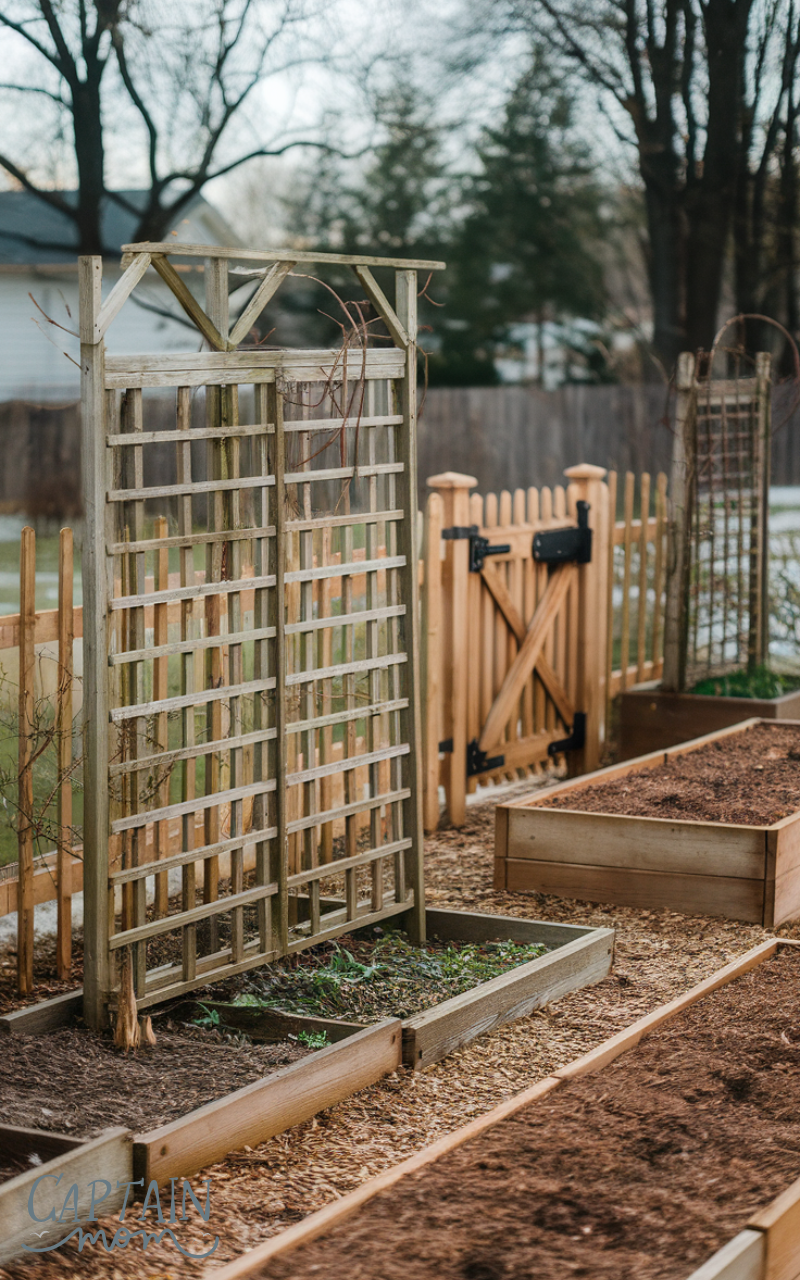
Check fences, raised beds, and trellises during cold months. Repairing them now is part of how to prepare garden for spring efficiently. Winter weather can cause damage, and fixing issues early avoids delays when planting time comes.
4. Control Winter Weeds Early

Weeds don’t fully stop growing in winter. Removing them now supports how to prepare garden for spring with less effort later. Early weed control prevents spreading and keeps soil healthier for new plants.
3. Order Seeds Early
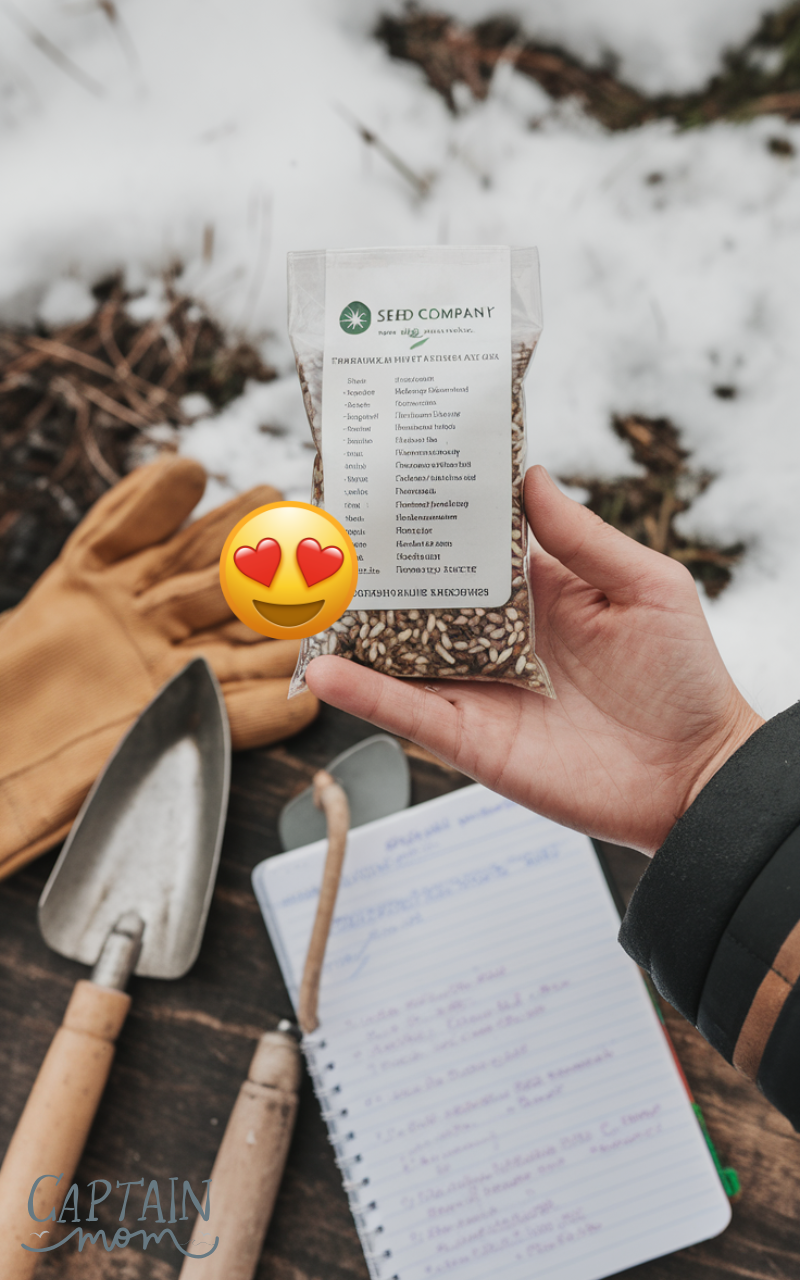
Ordering seeds during winter ensures availability and supports better planning for how to prepare garden for spring. Choose varieties suited to your climate and soil. Early ordering reduces stress and allows timely planting.
2. Learn From Last Season
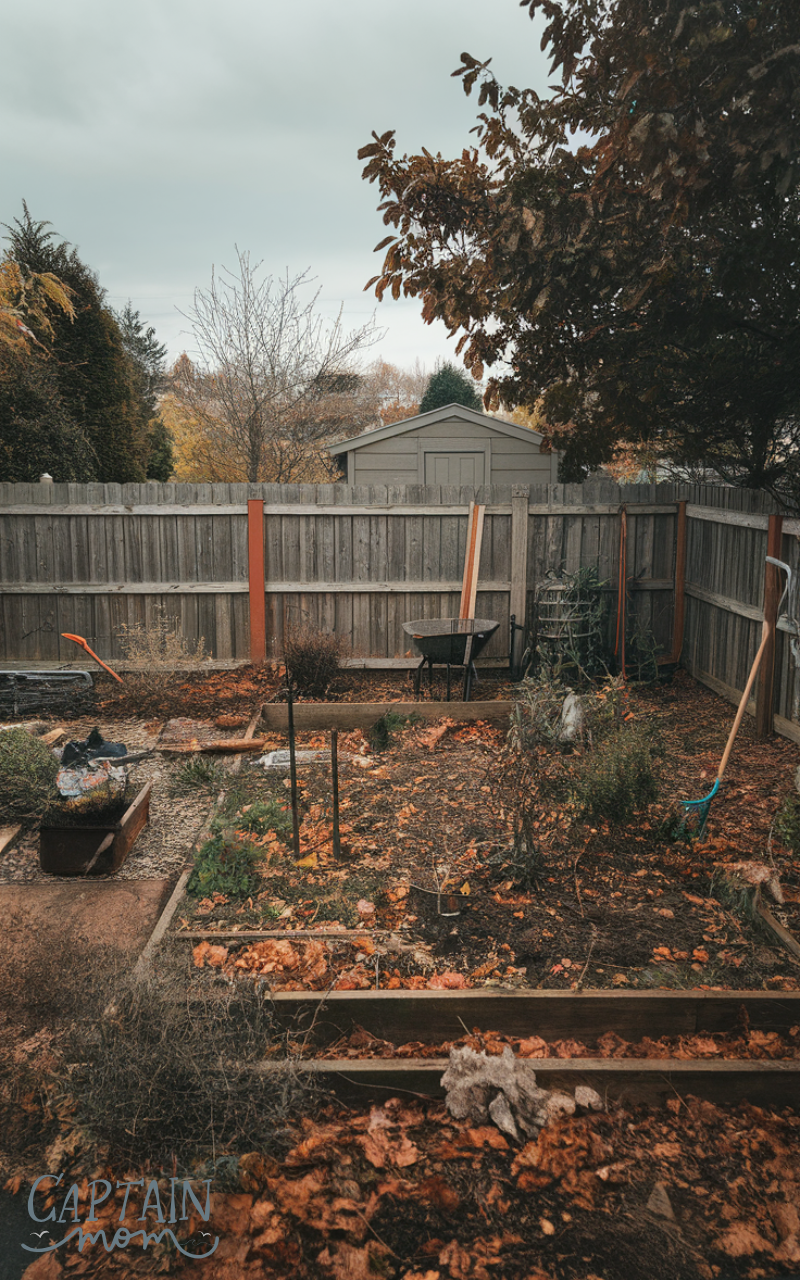
Reflecting on what worked and what didn’t is an underrated step in how to prepare garden for spring. Review plant performance, pest issues, and yields. Learning from experience helps you improve results year after year.
1. Start Seeds Indoors at the Right Time
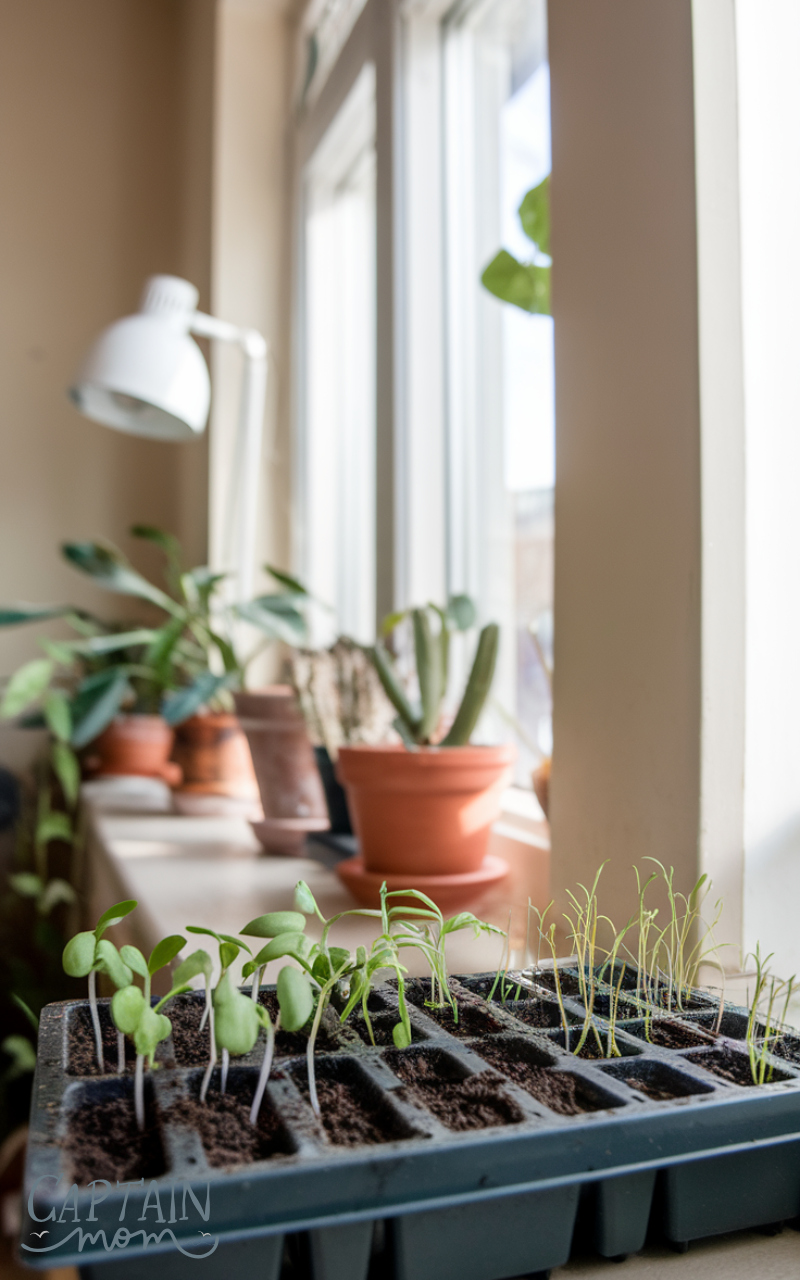
Starting seeds indoors is the final and most powerful step in how to prepare garden for spring. It gives your plants a strong head start, especially for long-season crops like tomatoes, peppers, and eggplants. By sowing seeds indoors 6–10 weeks before the last expected frost, seedlings develop strong roots and healthier stems before being transplanted outside.
Conclusion: How to Prepare Garden for Spring Successfully
Cold season preparation is the foundation of a thriving garden. By following these steps on how to prepare garden for spring, you create healthier soil, stronger plants, and a more enjoyable gardening experience. Small actions taken now lead to big rewards later.
If you enjoyed this guide, subscribe to the blog for more easy, practical gardening tips, seasonal guides, and expert-backed advice to keep your garden flourishing all year long.

[…] companion planting, and soil care helps ensure your plants thrive. If you followed the advice on how to prepare the garden for spring, you’ll already have a head start on soil preparation and composting, which will make planting […]