

I used to think quiet time only mattered once kids started school, but I quickly realized how important Toddler Quiet Time is during the early years. Some days felt nonstop, full of noise, toys everywhere, and constant movement, and I noticed both my child and I needed a moment to slow down. When I introduced Toddler Quiet Time into our routine, the atmosphere at home changed in the best way. It wasn’t about forcing silence, it was about creating a calm pause in the day where my toddler could rest, play gently, and recharge without pressure.
As I became more intentional, I learned that Toddler Quiet Time works best when it feels predictable and comforting. I started adding it naturally into our toddler daily schedule at home, right after lunch when energy levels began to dip. I noticed my child became calmer and more independent, and honestly, I also gained a few peaceful minutes to reset myself. Toddler Quiet Time slowly became something we both looked forward to, not just a parenting strategy but a daily rhythm that made our afternoons smoother.
What surprised me most was how much growth came from these calm moments. During Toddler Quiet Time, I saw imagination bloom through quiet play, books, and simple activities that didn’t require constant attention. I realized toddlers don’t always need more stimulation, sometimes they just need space to explore calmly at their own pace. Now, Toddler Quiet Time feels like an essential part of our day, helping balance busy mornings with peaceful afternoons while teaching patience, independence, and emotional calm in a gentle, natural way.
Why You Need to Choose Toddler Quiet Time Ideas
Every parent eventually reaches that part of the day when energy levels crash, emotions run high, and everyone needs a small reset. That’s exactly where Toddler Quiet Time Ideas become incredibly helpful. Quiet time is not only about giving parents a short break, it also teaches toddlers independence, self-regulation, and calm play habits. I’ve noticed that when quiet moments are built into the daily routine, children feel more secure because they know what to expect, and the whole home atmosphere becomes more peaceful and balanced.
Creating a routine centered around Toddler Quiet Time Ideas also supports early learning in a gentle way. Instead of constant stimulation, toddlers get space to explore imagination, sensory play, and relaxation at their own pace. These calm activities help improve focus, encourage creativity, and reduce overstimulation. Over time, quiet time becomes something children actually look forward to, rather than resist, making daily schedules smoother and more enjoyable for everyone involved.
Helpful Tips to Consider Before Starting Toddler Quiet Time Ideas
Before introducing Toddler Quiet Time Ideas, it helps to prepare an environment that feels safe and inviting. Choose a consistent time each day, usually after lunch or active play, when toddlers naturally begin to slow down. Keep expectations realistic, quiet time doesn’t always mean silence, it simply means calm and independent activities. Start with short sessions, around 15–20 minutes, then gradually extend as your child becomes comfortable with the routine.
Rotating toys and activities is another useful strategy when planning Toddler Quiet Time Ideas. When children see something “new,” even if it’s just reintroduced after a few days, engagement increases instantly. Soft lighting, cozy blankets, and limited distractions can also help signal relaxation time. Most importantly, allow choice within limits, giving toddlers ownership over their quiet activities encourages cooperation and builds positive habits that last well beyond toddlerhood.
15. Cozy Reading Corner Time
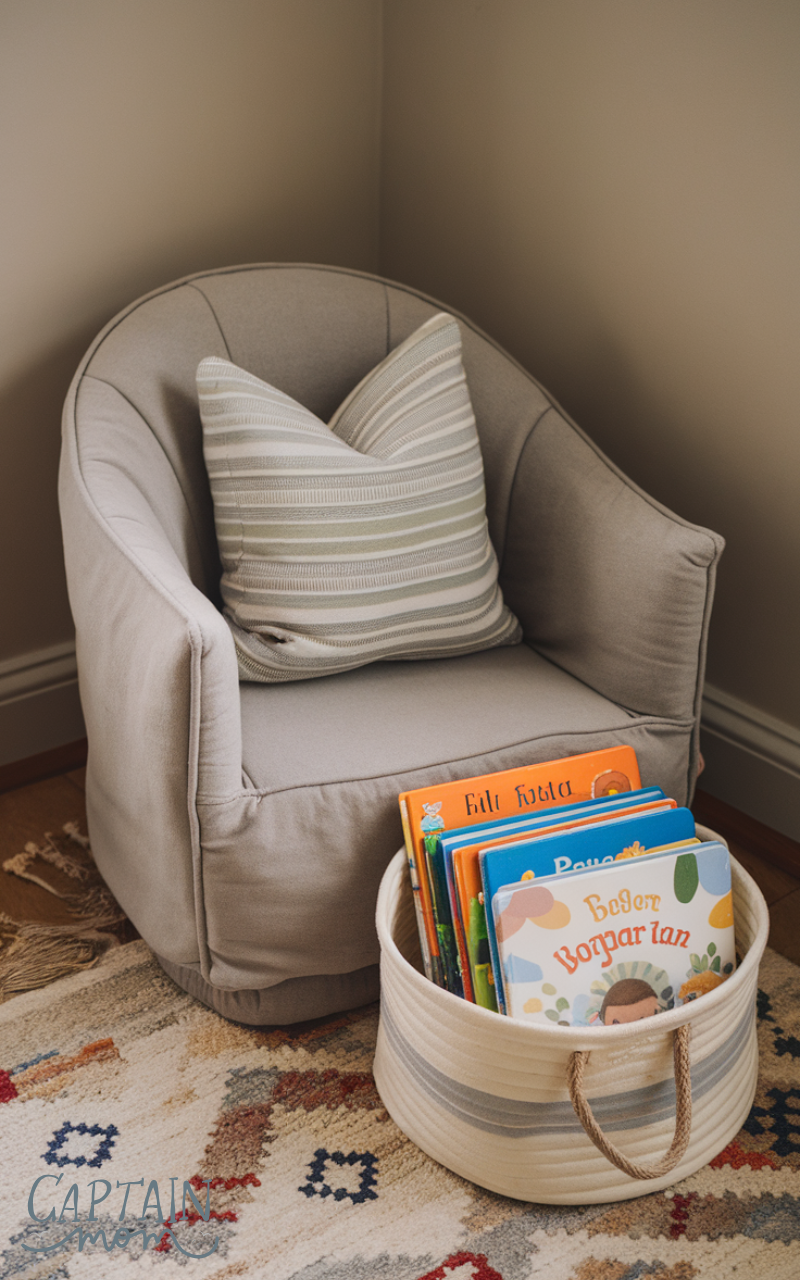
Creating a soft reading nook is one of the easiest Toddler Quiet Time Ideas to introduce at home. Add pillows, a small blanket, and a basket filled with colorful board books to invite independent exploration. Toddlers may not read yet, but flipping pages and looking at pictures builds early literacy skills while keeping them calm and focused. I like rotating books weekly so the space always feels exciting without overstimulation. This quiet activity encourages imagination, supports language development, and gives toddlers a peaceful space where they naturally slow down and relax during daily quiet time.
14. Puzzle Play Station
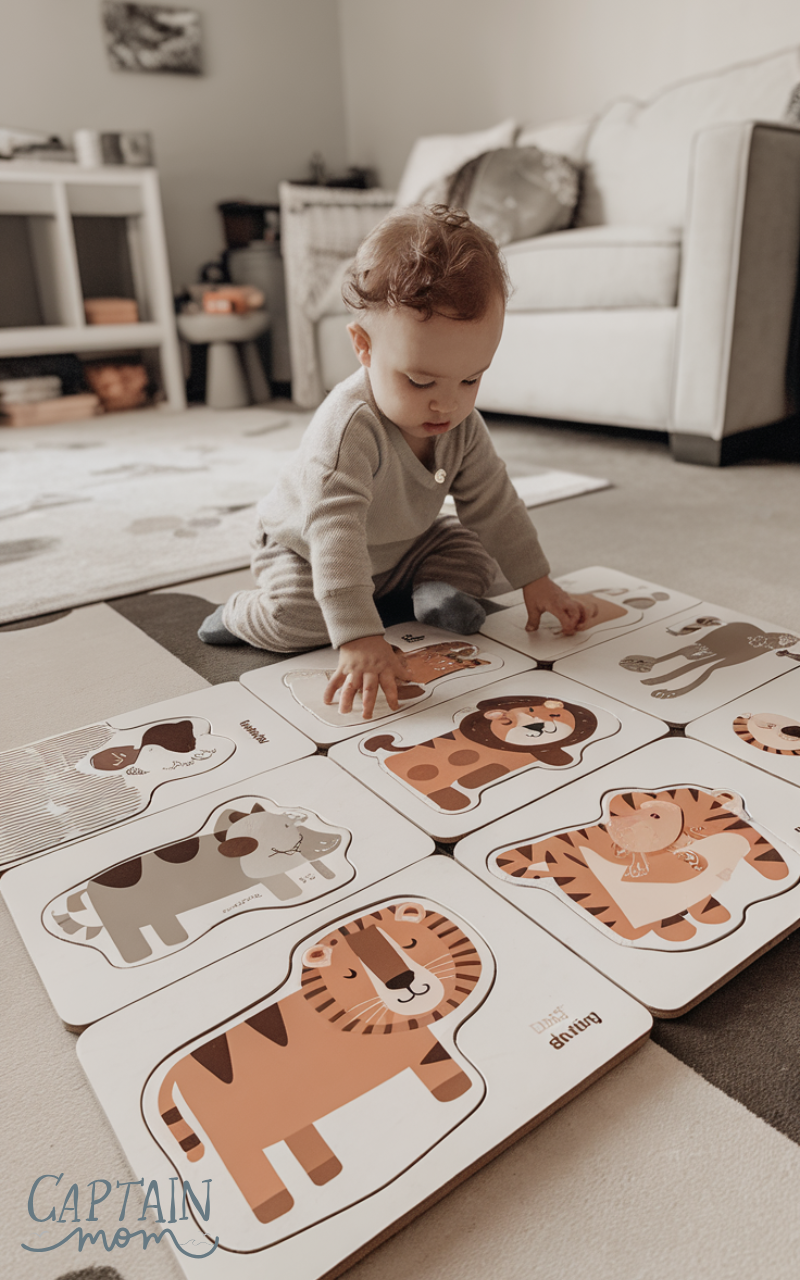
Simple puzzles work wonderfully as Toddler Quiet Time Ideas because they require concentration without creating noise or chaos. Choose chunky wooden puzzles or large-piece matching puzzles designed for toddlers. These activities strengthen problem-solving skills and fine motor coordination while keeping little hands busy. I’ve noticed toddlers often repeat puzzles multiple times, which is actually beneficial for confidence and learning. Keeping puzzles stored in a special quiet-time box makes them feel exclusive and helps children associate them with calm moments rather than active playtime.
13. Stuffed Animal Care Time
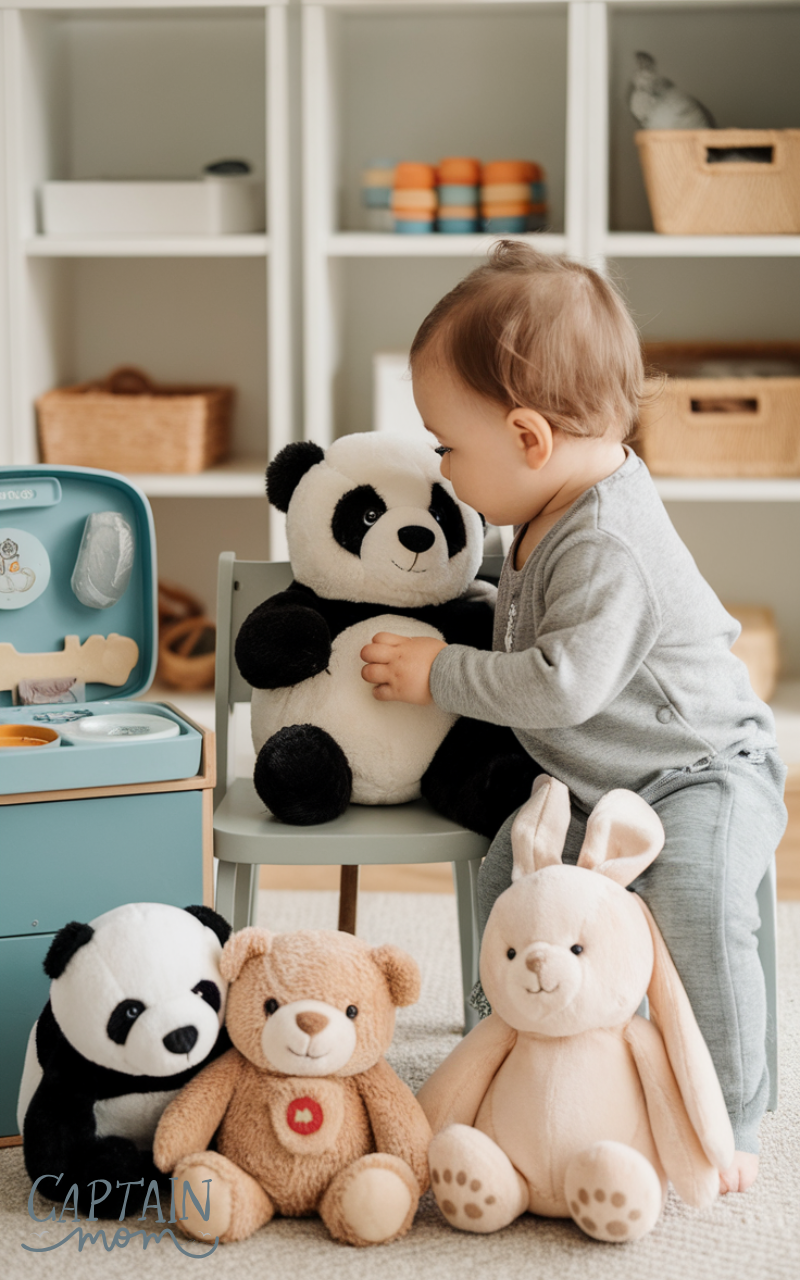
Pretend play can be surprisingly calming, making it perfect for Toddler Quiet Time Ideas. Give your toddler a few stuffed animals along with a small blanket or toy doctor kit and encourage gentle caregiving play. Toddlers naturally enjoy nurturing behaviors, feeding, hugging, or putting toys to sleep. This type of imaginative play supports emotional development while maintaining a peaceful environment. I find that children often whisper or speak softly during pretend care activities, helping reinforce the quiet atmosphere while allowing creativity to flourish.
12. Coloring and Crayon Creativity

Coloring is a classic choice among Toddler Quiet Time Ideas because it balances creativity with calm focus. Provide washable crayons and simple coloring pages or blank paper to encourage free expression. Toddlers enjoy experimenting with colors and shapes without pressure or rules. Keeping supplies limited prevents overwhelm and helps maintain attention. This activity also improves hand control and early writing skills. I like placing coloring materials in a quiet-time basket so toddlers automatically connect art activities with relaxation and independent play.
11. Sensory Bin Exploration
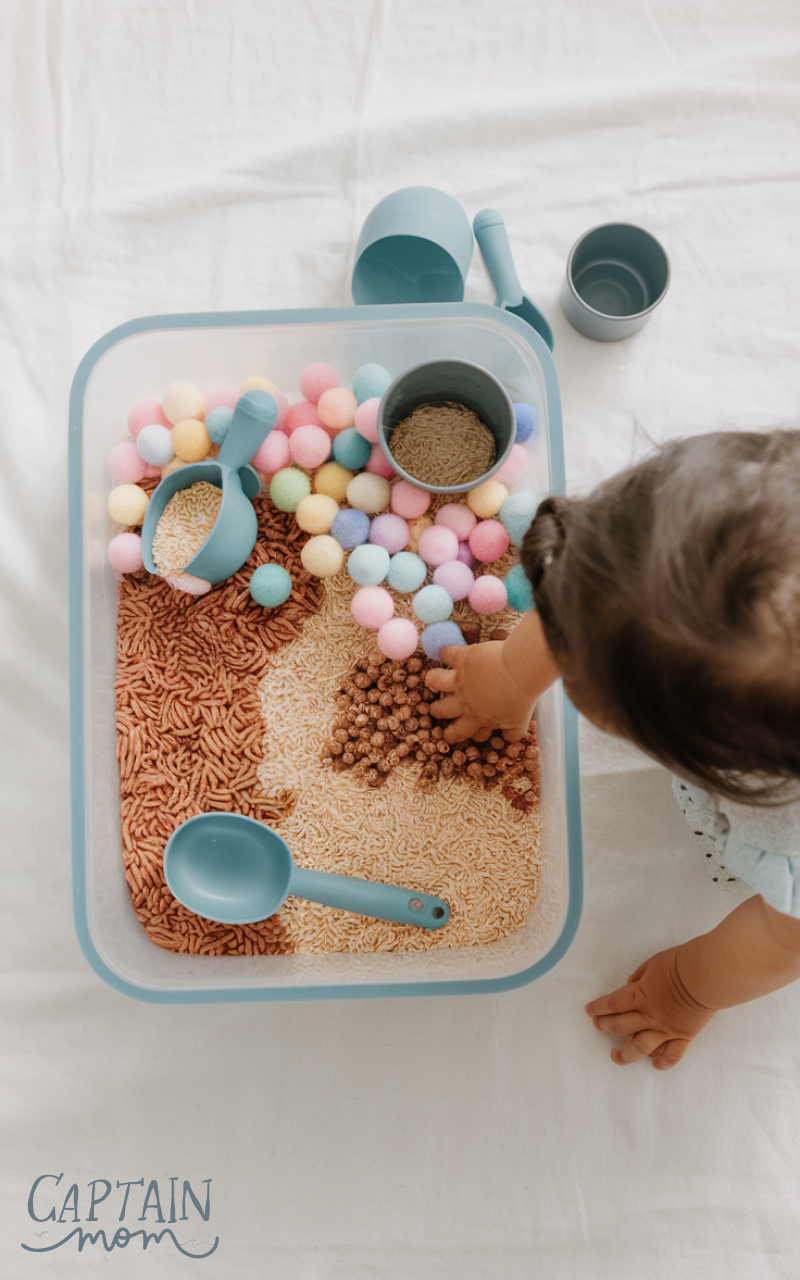
A small sensory bin filled with rice, pasta, or soft pom-poms can transform quiet moments into meaningful learning experiences. Sensory play is one of the most engaging Toddler Quiet Time Ideas because it stimulates curiosity while remaining calm and repetitive. Add scoops, cups, or small containers for pouring and sorting. Toddlers become deeply focused on textures and movements, which naturally encourages longer independent play sessions. Keeping the bin simple and contained ensures the activity remains peaceful rather than messy or overstimulating.
10. Audio Story Listening

Listening to gentle stories or soft children’s music works beautifully as Toddler Quiet Time Ideas that promote relaxation. Use a child-friendly audio player or speaker at low volume and choose calm storytelling content. Without screens, toddlers rely on imagination, which strengthens listening skills and creativity. I’ve found that familiar stories help children settle faster because they recognize the rhythm and voices. Pairing audio stories with a cozy blanket creates a calming ritual that signals it’s time to rest and recharge quietly.
9. Sticker Activity Fun
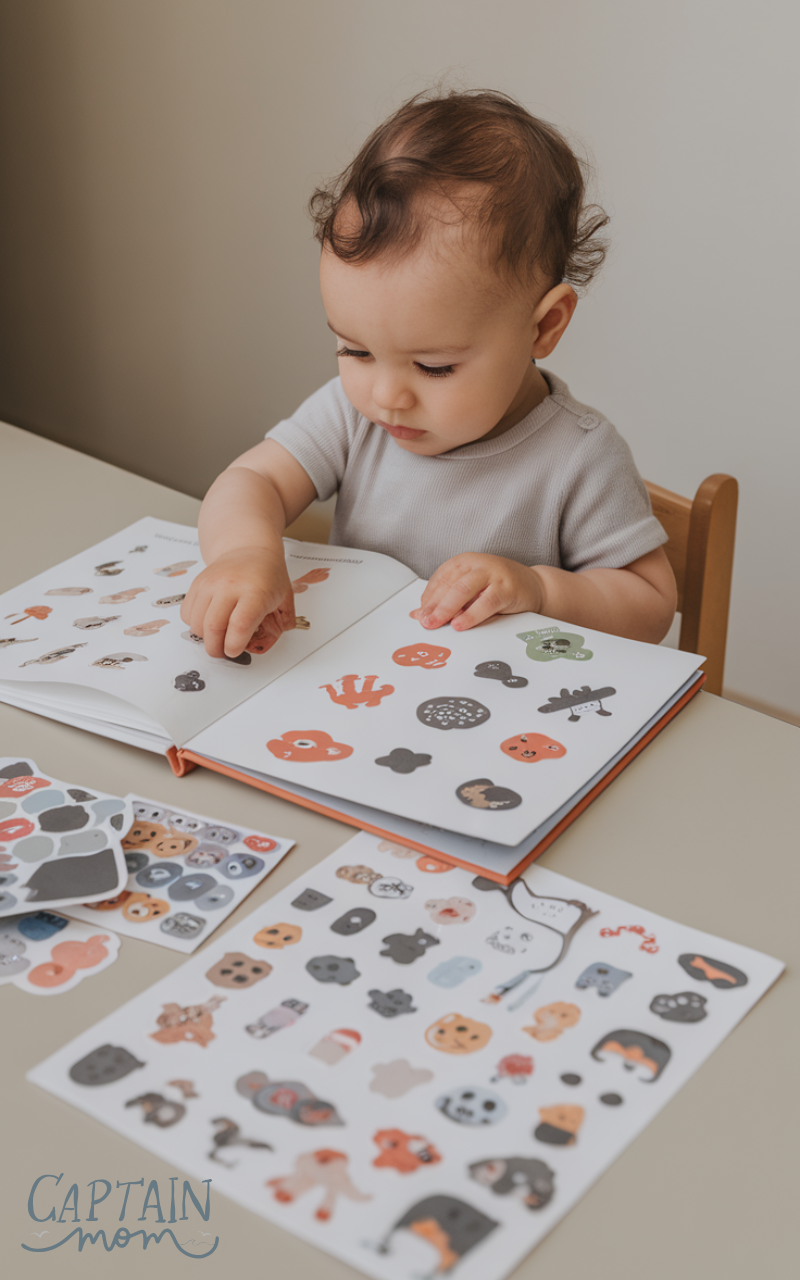
Sticker books are simple yet powerful Toddler Quiet Time Ideas that keep toddlers entertained for long stretches. Peeling and placing stickers improves fine motor skills and concentration while remaining quiet and mess-free. Provide themed sticker sheets and paper backgrounds so children can create their own scenes. Toddlers love repetition, so even basic sticker activities feel exciting each time. I like saving special sticker sets only for quiet time, making the activity feel like a privilege rather than just another toy.
8. Building Blocks Calm Play
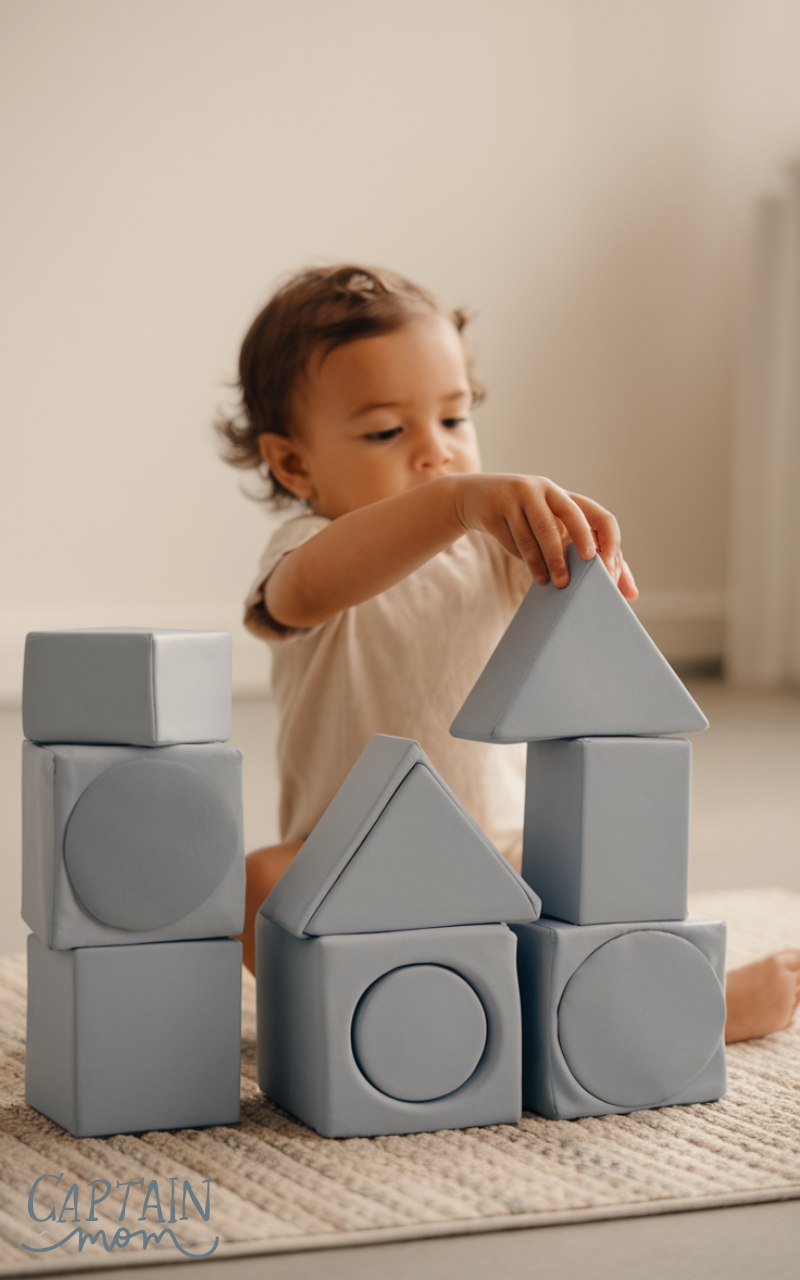
Soft blocks or large stacking toys make excellent Toddler Quiet Time Ideas because they encourage creativity without excessive noise. Toddlers can stack, sort, and rebuild structures independently, practicing patience and coordination. This slow, repetitive play style naturally lowers energy levels while keeping engagement high. Choosing lightweight blocks helps maintain a peaceful environment. Over time, children begin creating imaginative structures, which supports cognitive development while reinforcing calm independent play habits.
7. Matching Card Games
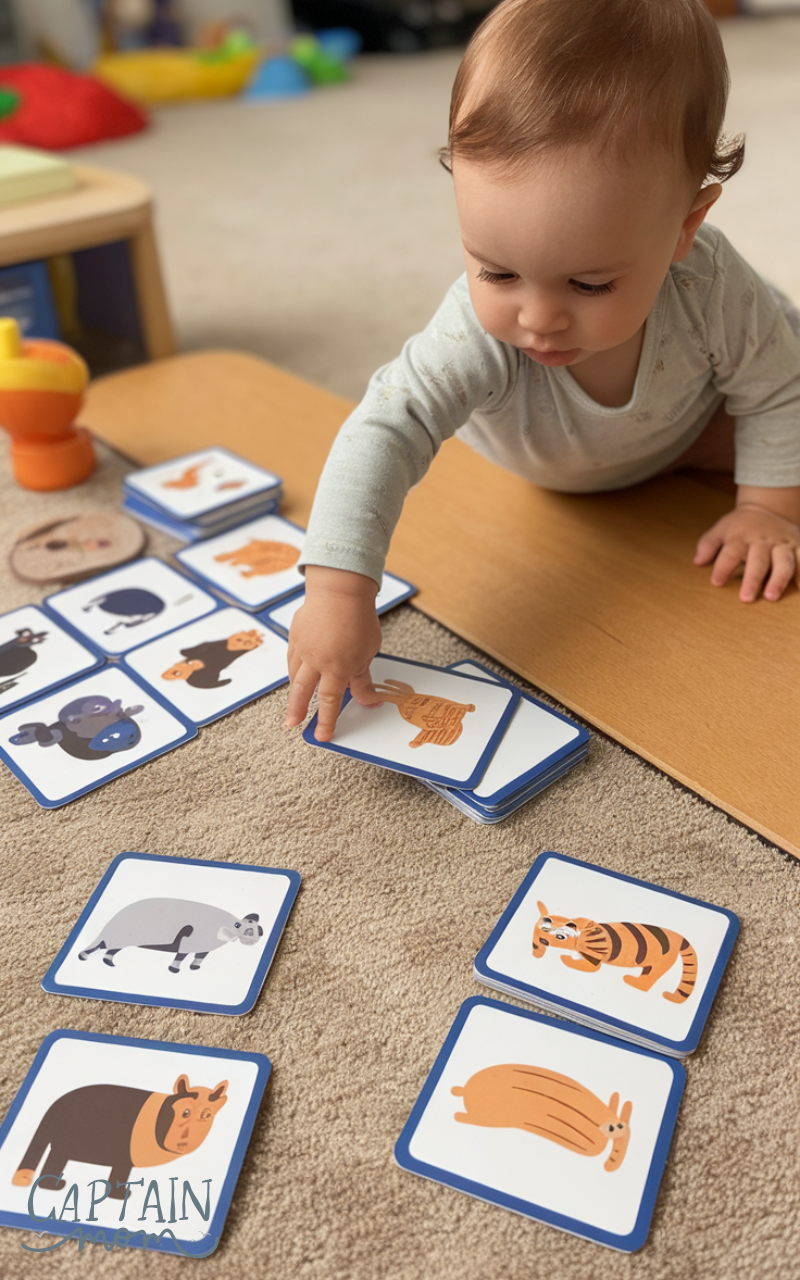
Simple matching cards are fantastic Toddler Quiet Time Ideas that introduce early memory skills. Use animal, color, or shape cards and encourage toddlers to find pairs or sort categories. These activities require focus and gentle thinking rather than physical energy. I often start by modeling the activity once, then allowing independent exploration. Matching games help toddlers practice recognition and problem solving while staying seated and calm, making them ideal for structured quiet time routines.
6. Play Dough Relaxation Time
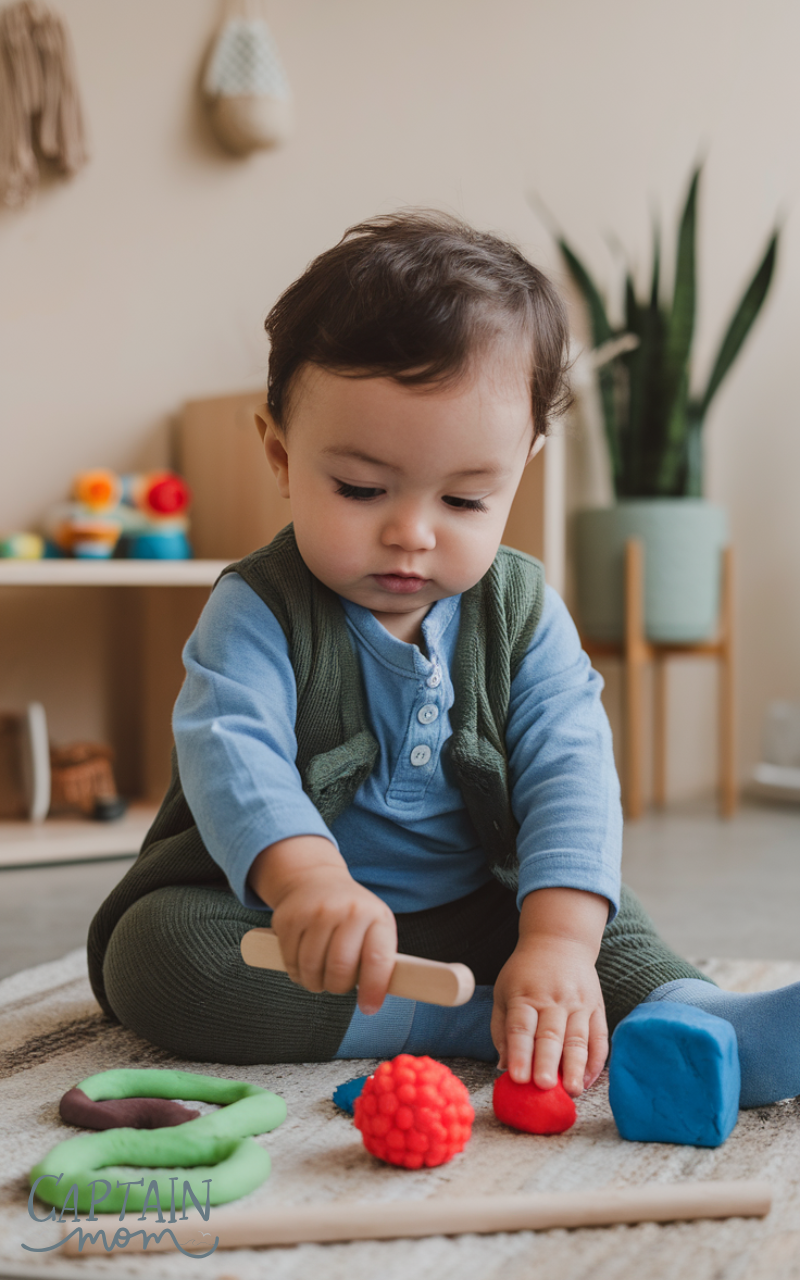
Soft play dough provides sensory satisfaction and creativity, making it one of the most versatile Toddler Quiet Time Ideas. Toddlers enjoy rolling, pressing, and shaping dough into simple forms using safe tools. The repetitive hand movements are calming and help release excess energy in a peaceful way. Keeping colors limited prevents overstimulation while encouraging focus. This activity also strengthens finger muscles, supporting future writing skills while maintaining a quiet and soothing play environment.
5. Picture Sorting Baskets
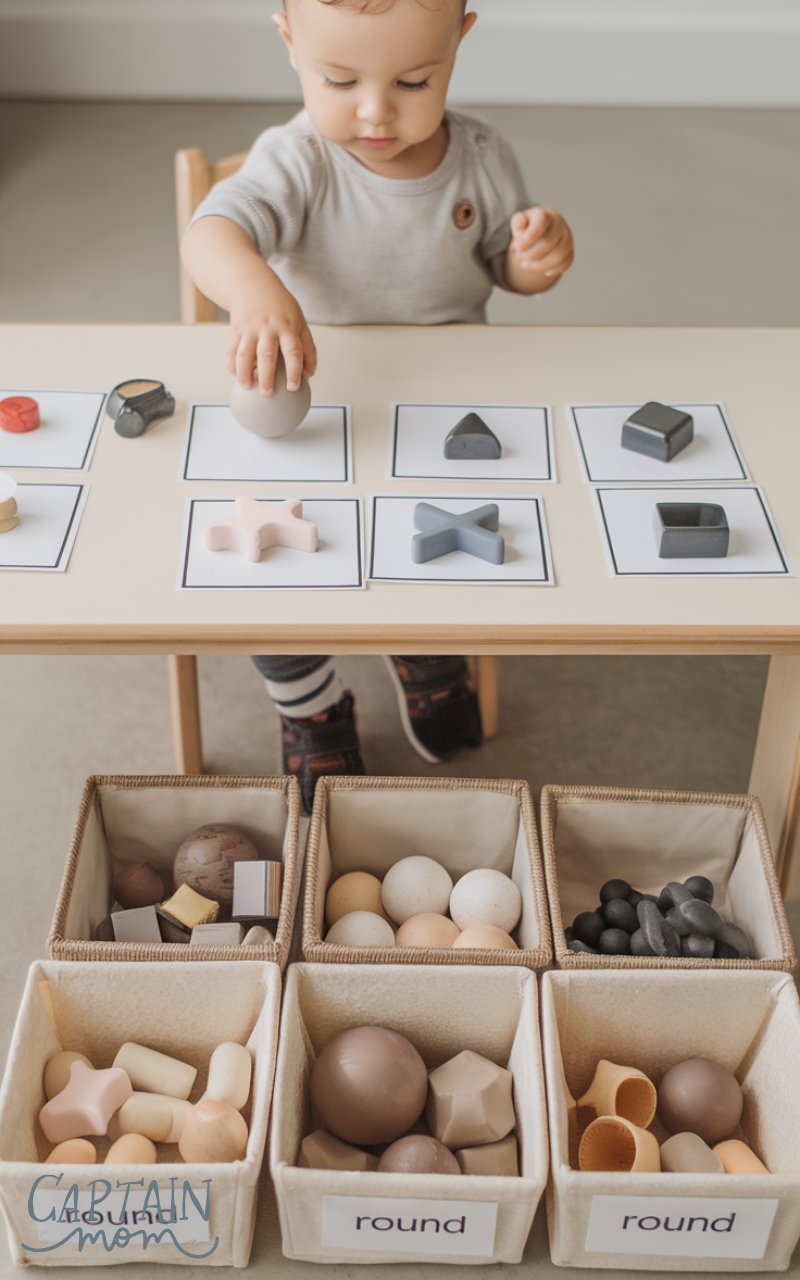
Sorting activities are surprisingly calming and effective Toddler Quiet Time Ideas. Prepare small baskets with objects or picture cards grouped by theme, colors, or shapes. Toddlers enjoy placing items into categories, which builds early logic skills. The repetitive nature of sorting encourages mindfulness and sustained attention. I like switching themes occasionally to maintain interest without changing the overall routine. This predictable activity helps toddlers feel successful and confident during independent quiet moments.
4. Soft Music and Dance Scarves

Gentle movement can still fit into Toddler Quiet Time Ideas when done slowly and calmly. Provide lightweight scarves and play soft instrumental music, encouraging slow waving or swaying motions. This activity allows toddlers to release energy without becoming overstimulated. The flowing movement feels soothing and almost meditative for young children. I’ve noticed toddlers naturally lower their voices and movements when music is calm, helping transition smoothly toward rest or nap time afterward.
3. Quiet Toy Rotation Box
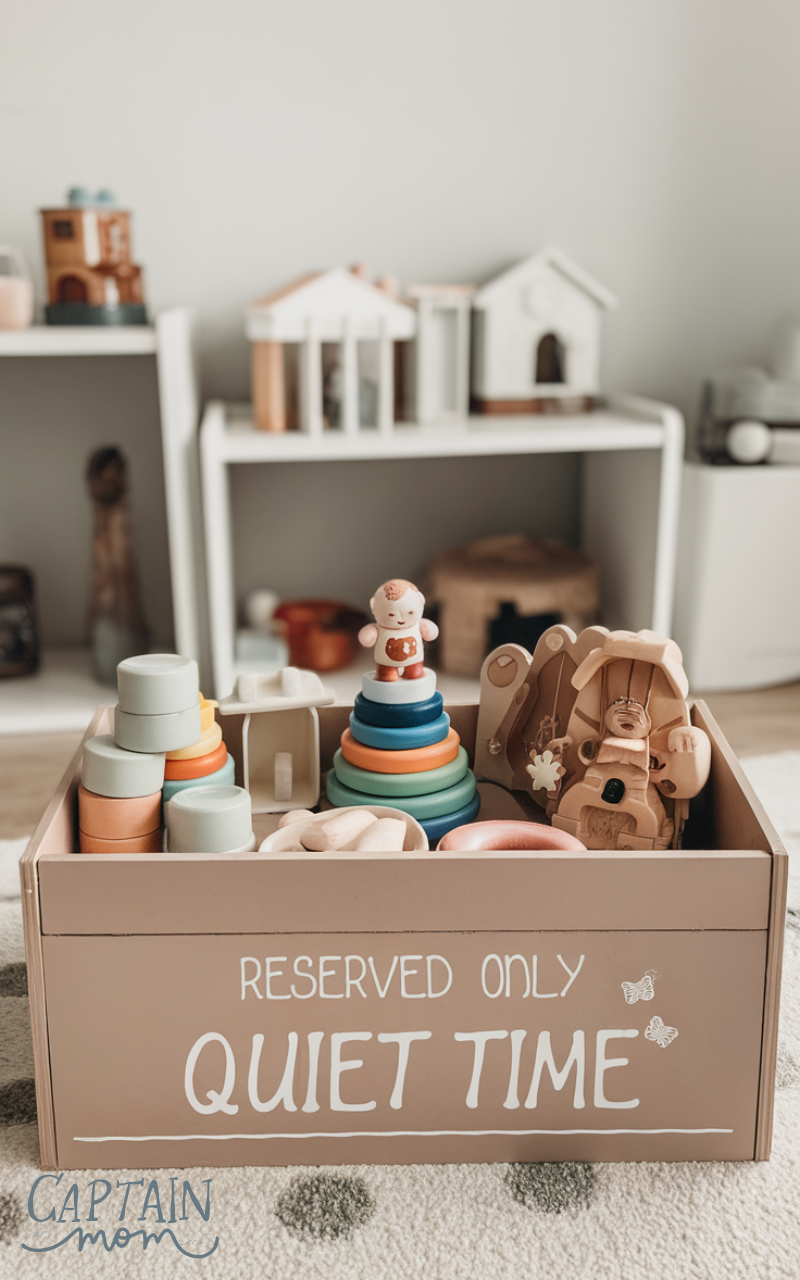
A special toy box reserved only for Toddler Quiet Time Ideas can instantly boost cooperation. Include small figurines, stacking cups, or mini playsets that are not available during regular playtime. Because toddlers see these toys only during quiet moments, excitement stays high without needing constant novelty. Rotating items weekly keeps engagement fresh. This strategy helps children associate independence and calm play with positive experiences rather than boredom.
2. Window Watching and Nature Time
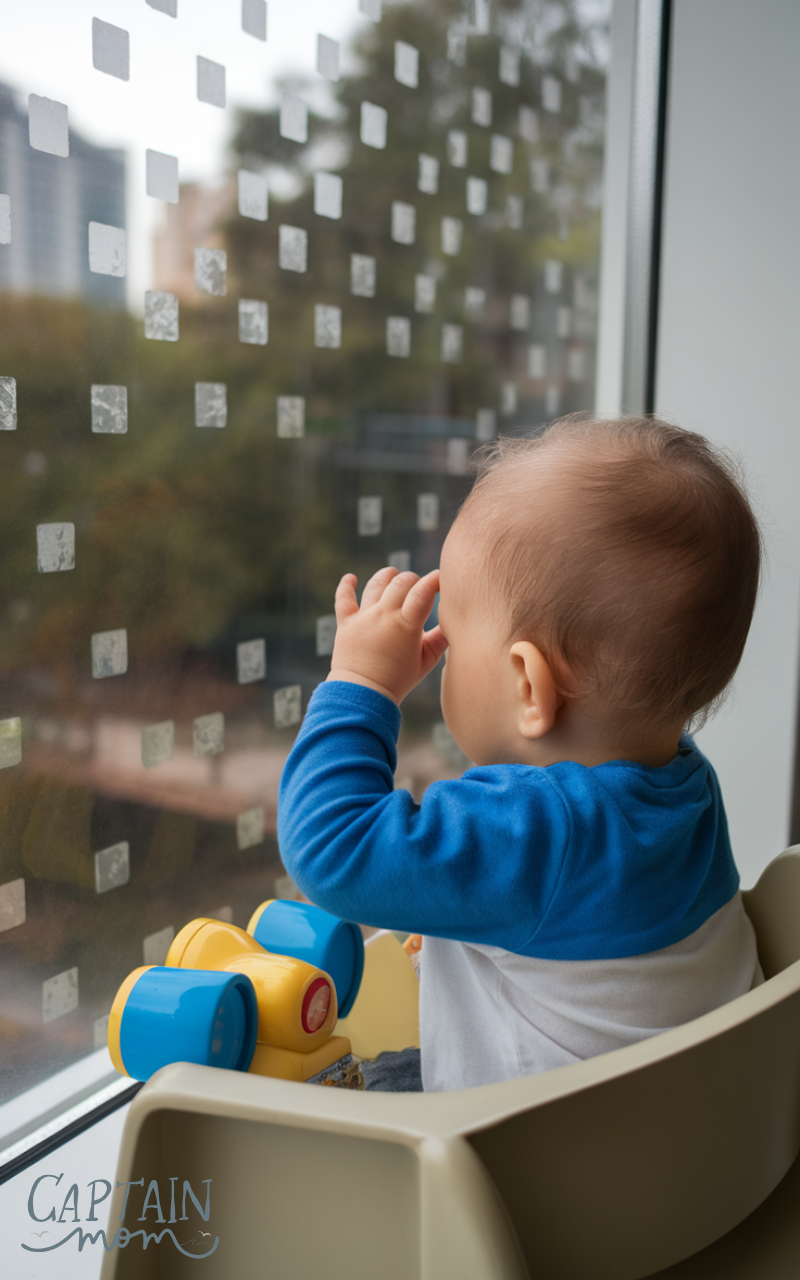
Sometimes the simplest Toddler Quiet Time Ideas work best. Set up a chair near a window and encourage toddlers to watch cars, birds, or changing weather. Add binocular toys or a simple observation sheet with pictures to spot. Quiet observation builds attention skills and curiosity about the world. I’ve found that toddlers often narrate softly or sit peacefully while watching outside activity, creating a naturally calming experience that requires almost no preparation.
1. Independent Pretend Play Scene
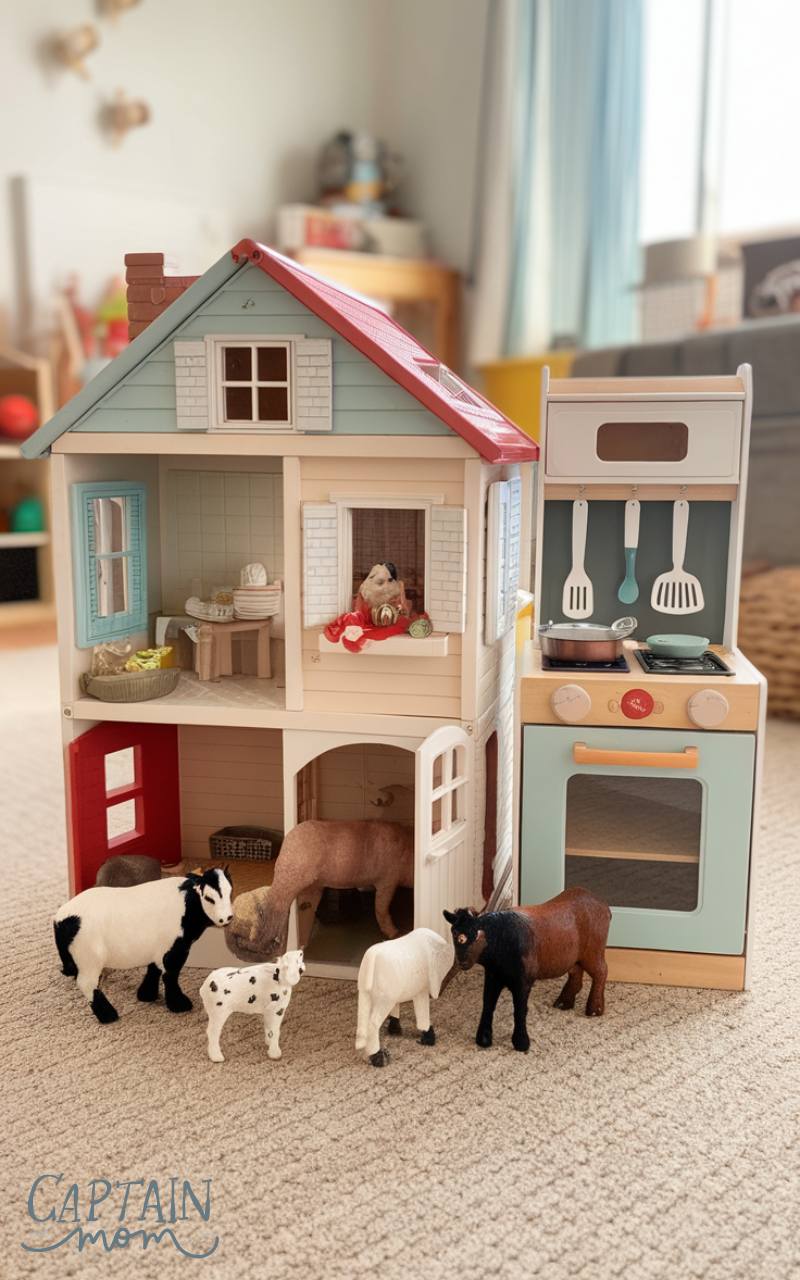
Creating a small pretend-play setup is one of the most effective Toddler Quiet Time Ideas for longer engagement. Use a dollhouse, toy kitchen, or miniature farm animals arranged before quiet time begins. Toddlers can explore stories independently without needing instructions. This type of play strengthens imagination, emotional expression, and storytelling skills. When the environment is calm and organized, children stay immersed longer, allowing quiet time to feel enjoyable rather than forced.
Conclusion: Making Toddler Quiet Time Ideas Part of Everyday Life
Building a daily routine around Toddler Quiet Time Ideas can completely transform busy afternoons into calm, predictable moments that benefit both children and parents. With the right mix of creativity, comfort, and independence, toddlers learn to enjoy peaceful play while developing important emotional and cognitive skills. Start small, stay consistent, and rotate activities to keep interest high. If you enjoyed these Toddler Quiet Time Ideas, subscribe to the blog for more parenting tips, simple routines, and creative ideas that make everyday family life easier and more joyful.