

I used to feel like the hours after school were the most chaotic part of my day. The kids came home tired, hungry, and full of emotions, and I often found myself rushing from one task to another without any real rhythm. That’s when I realized how much we needed an After School Routine Flow for Kids that felt calm instead of stressful. Once I started paying attention to how my children transitioned from school to home, I noticed that small changes made a big difference. Creating an After School Routine Flow for Kids helped our afternoons feel more predictable and peaceful for everyone.
At first, I thought routines had to be strict to work, but I quickly learned that flexibility was just as important. I began building an After School Routine Flow for Kids that allowed space for snacks, rest, and connection before homework even started. Some days my kids needed movement, and other days they needed quiet moments similar to our Toddler Quiet Time, where everyone could simply slow down and reset. I realized that when children feel emotionally settled, everything else flows more smoothly, and the entire household feels lighter and more organized.
Now, our afternoons feel completely different because I follow an After School Routine Flow for Kids that supports both structure and comfort. I no longer feel overwhelmed trying to manage homework, playtime, and evening responsibilities all at once. Instead, I guide the day step by step, knowing that consistency helps my kids feel secure and confident. This simple shift toward an intentional After School Routine Flow for Kids has not only improved behavior but also created more meaningful family moments that I genuinely look forward to every single day.
Why You Need to Choose an After School Routine Flow for Kids at Home
Creating a consistent After School Routine Flow for Kids at Home helps children transition smoothly from school energy to home comfort. After a long day of learning, kids often feel tired, hungry, or overstimulated, and without structure, afternoons can quickly become stressful for both parents and children. A predictable routine gives kids emotional security because they know what comes next, which reduces resistance, improves behavior, and supports independence. When families follow an After School Routine Flow for Kids at Home, daily life feels calmer, homework becomes easier to manage, and evenings turn into more meaningful family time instead of rushed chaos.
Helpful Tips to Consider Before Setting Up the Routine
Before building your After School Routine Flow for Kids at Home, observe your child’s natural energy levels and personality. Some kids need movement first, while others need quiet time or snacks immediately. Keep routines simple, flexible, and age-appropriate so children can follow them without constant reminders. Visual charts, timers, and consistent expectations make transitions easier. Also, include moments for rest and connection, not just tasks. The goal of an After School Routine Flow for Kids at Home is balance, combining responsibility, relaxation, and fun so children recharge while still developing healthy habits that support learning and emotional well-being.
15. Warm Welcome and Connection Time
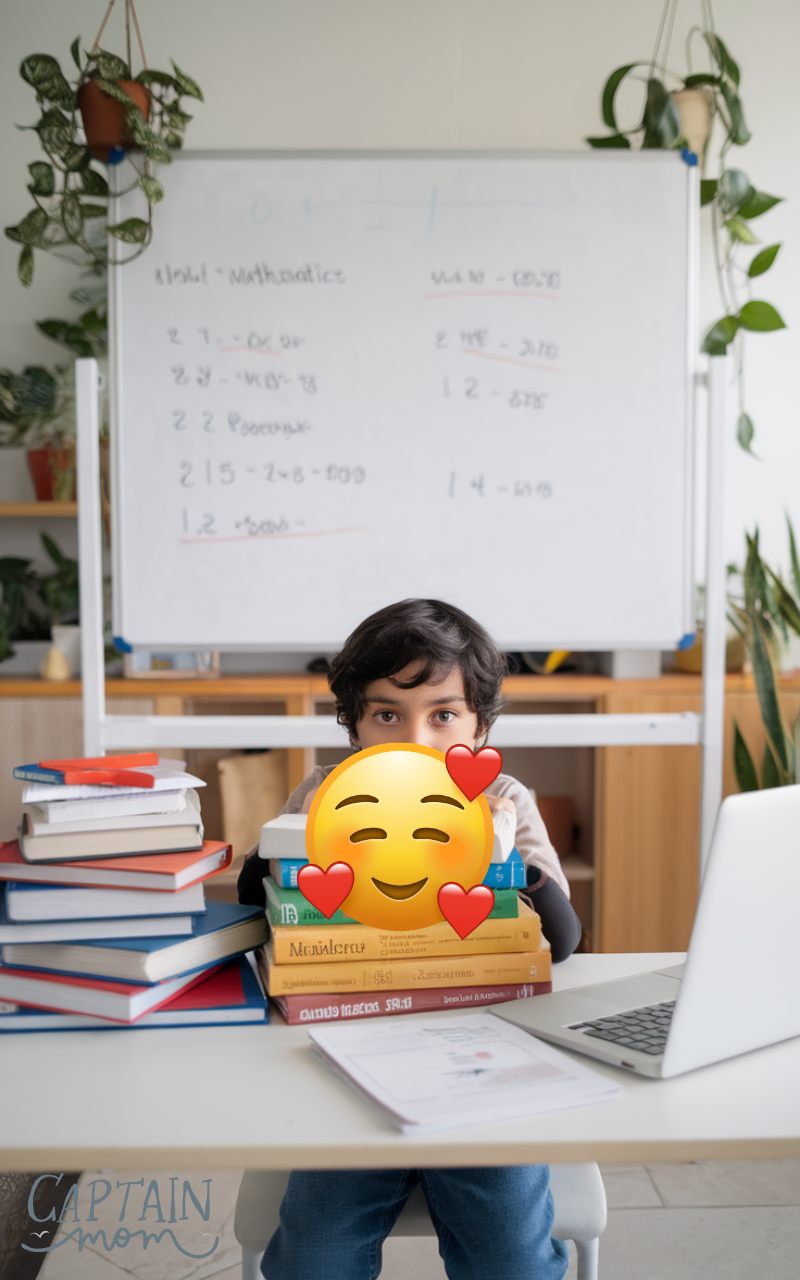
The first step in an effective After School Routine Flow for Kids at Home is creating a calm welcome moment. Instead of immediately asking questions about homework or behavior, greet your child warmly and allow them to decompress. A hug, a smile, or a few minutes of relaxed conversation helps children shift emotionally from school to home. This small ritual builds trust and makes kids feel safe sharing their experiences later. Including connection time in your After School Routine Flow for Kids at Home reduces stress and helps prevent emotional outbursts that often happen when children feel overwhelmed after a busy school day.
14. Healthy Snack Recharge
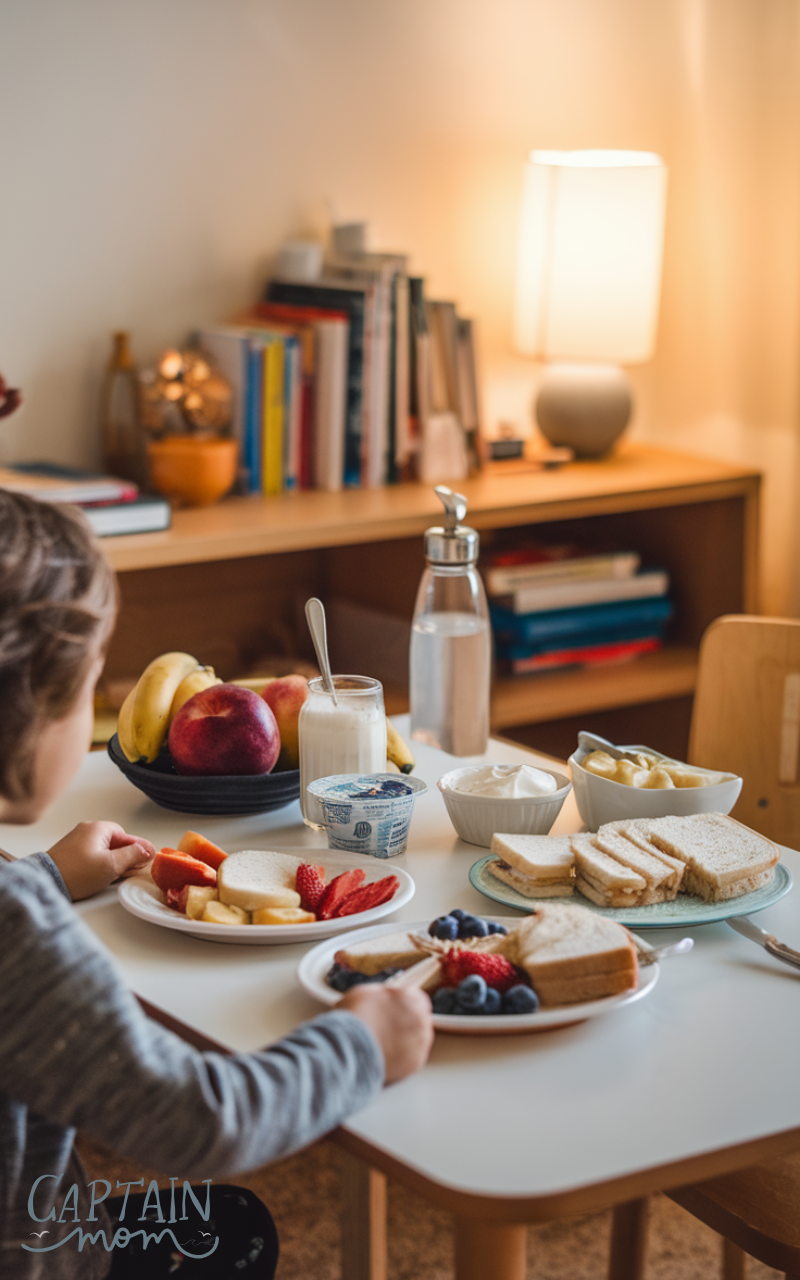
A nutritious snack is essential in any After School Routine Flow for Kids at Home because children often arrive hungry and low on energy. Offering fruits, yogurt, sandwiches, or nuts stabilizes mood and improves focus before homework or activities begin. Keep snacks simple and predictable so kids know what to expect daily. Sitting together during snack time also creates an opportunity for casual conversation without pressure. When snack time becomes part of your After School Routine Flow for Kids at Home, children regain energy faster and transition more easily into the next part of their afternoon.
13. Quiet Reset Time
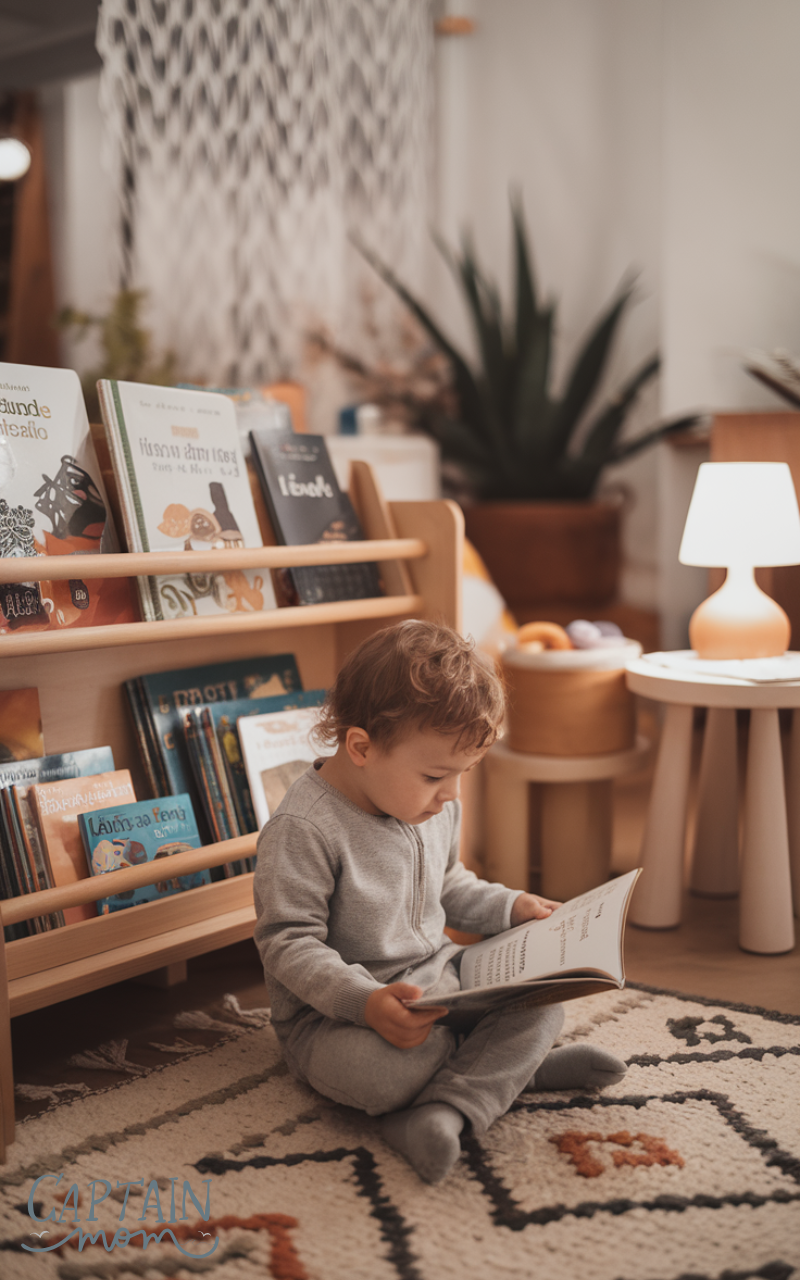
Adding quiet time supports emotional regulation within an After School Routine Flow for Kids at Home. After hours of noise and social interaction, children benefit from calm activities like reading, drawing, or simply relaxing. This period should not feel like punishment but rather a peaceful reset. Even 15 minutes can improve mood and attention span. Including quiet reset time in your After School Routine Flow for Kids at Home helps kids recharge mentally, making homework and evening routines smoother while encouraging self-soothing habits that benefit long-term emotional development.
12. Outdoor Play or Movement Break
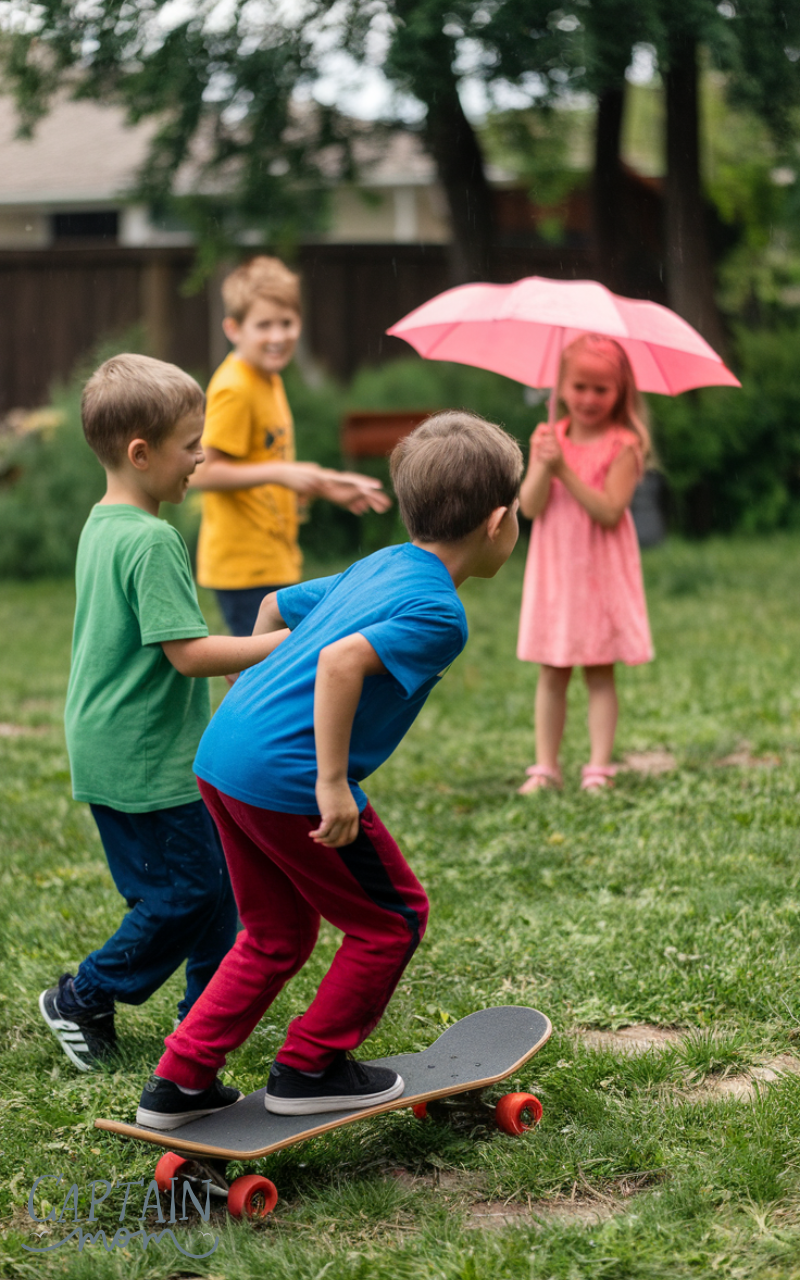
Physical activity is a powerful element of an After School Routine Flow for Kids at Home. Kids naturally need movement after sitting in classrooms all day, so outdoor play, biking, or simple backyard games help release built-up energy. Movement improves concentration and reduces restlessness later in the evening. This doesn’t need to be structured sports; free play works perfectly. By including active play in your After School Routine Flow for Kids at Home, children return indoors calmer, happier, and more ready to focus on responsibilities without resistance.
11. Homework Power Hour
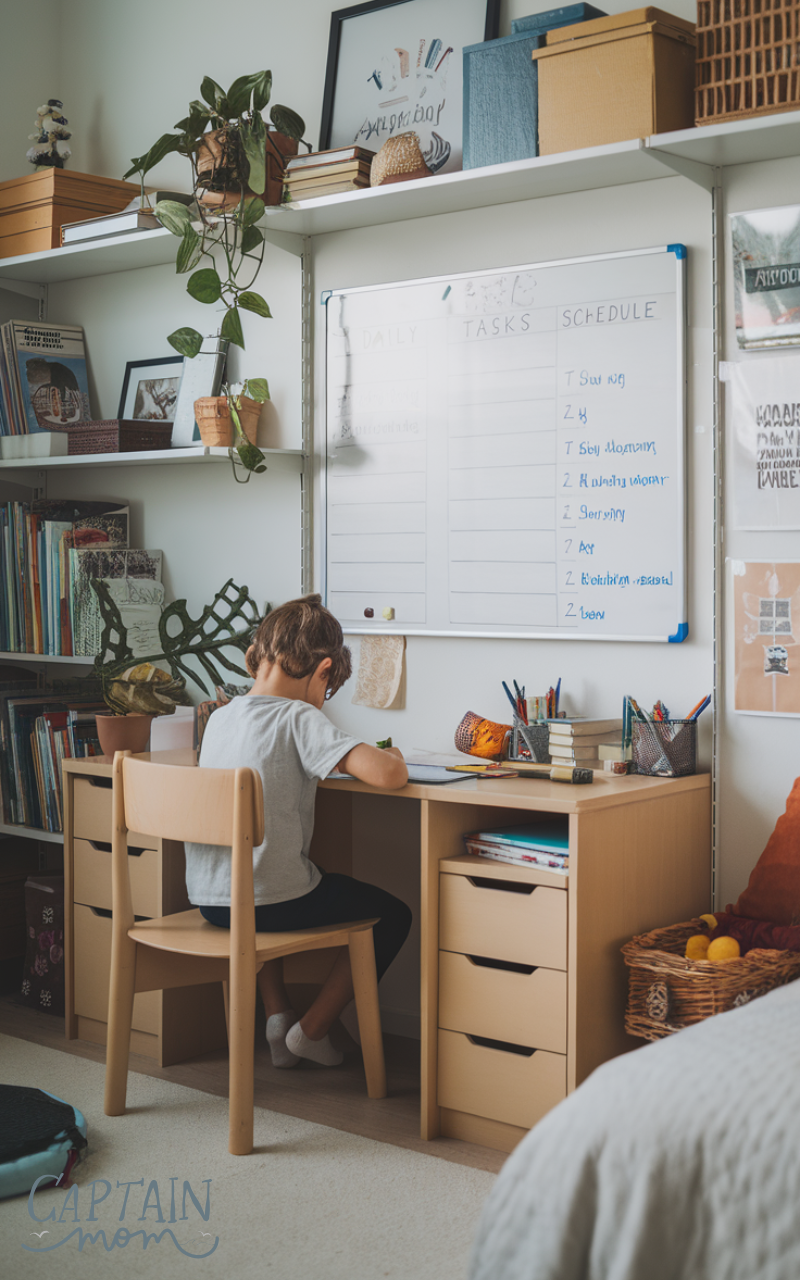
Homework becomes less stressful when placed intentionally inside an After School Routine Flow for Kids at Home. Choose a consistent time when your child is fed and relaxed but not too tired. Create a distraction-free workspace and encourage independence while staying available for support. Short breaks between tasks help maintain motivation. When homework follows a predictable rhythm within the After School Routine Flow for Kids at Home, children develop responsibility and time management skills while avoiding last-minute evening pressure.
10. Creative Free Play Time
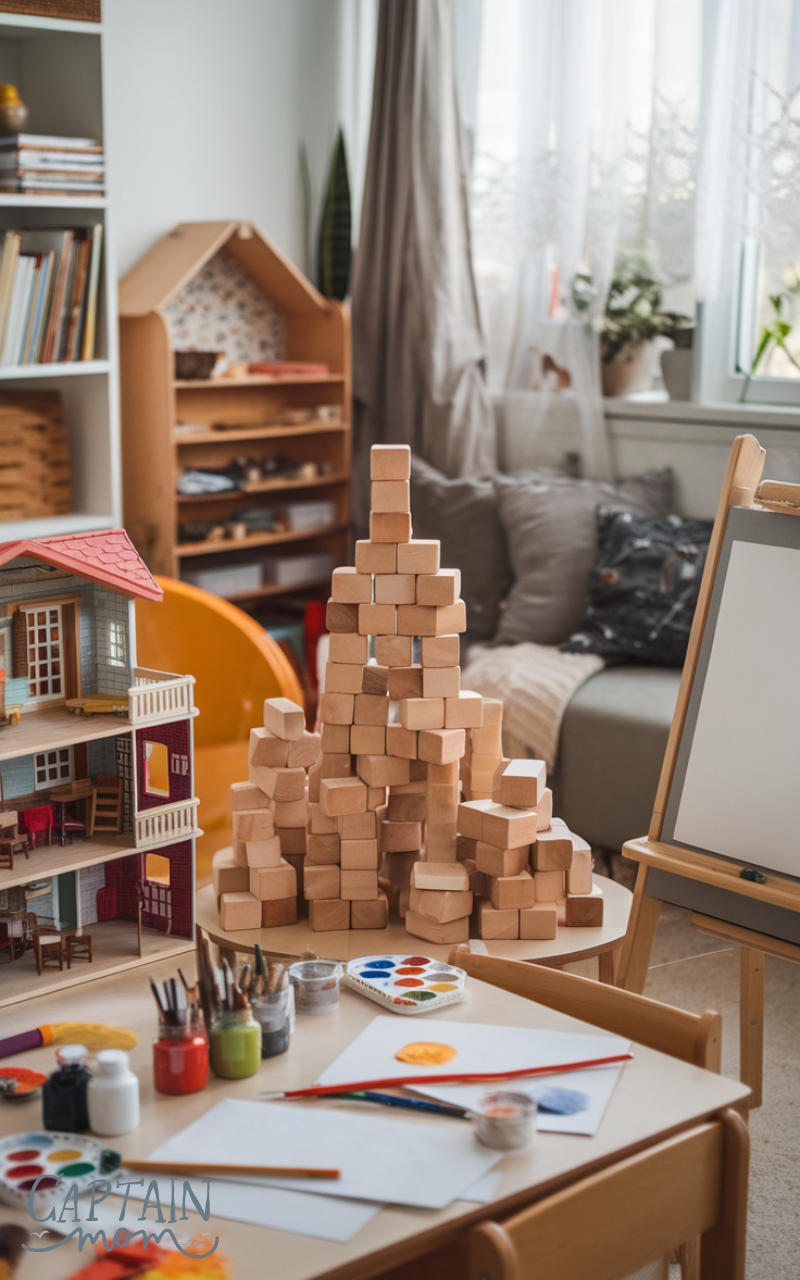
Creative play strengthens imagination and confidence, making it an important part of an After School Routine Flow for Kids at Home. Activities like building blocks, crafts, pretend play, or drawing allow children to express emotions and ideas freely. Avoid over-scheduling this time; unstructured creativity encourages problem-solving and independence. Including creative play in your After School Routine Flow for Kids at Home balances academic demands with joyful exploration, helping kids feel emotionally fulfilled while naturally developing cognitive skills.
9. Reading or Learning Moment
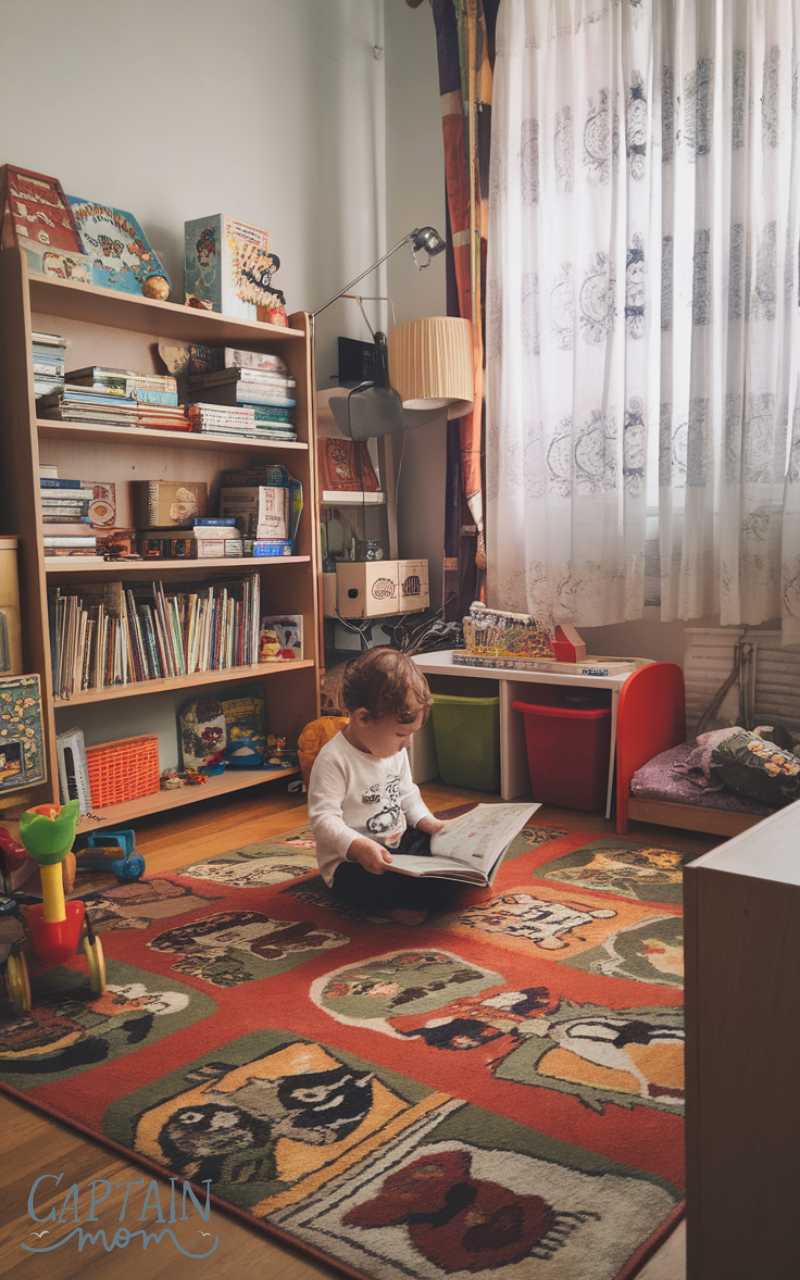
A short reading session enriches any After School Routine Flow for Kids at Home by reinforcing learning in a relaxed way. Children can read independently or listen to a parent read aloud. Choose enjoyable books rather than school assignments to build a positive association with reading. Even 10–20 minutes daily strengthens language skills and concentration. Making reading part of your After School Routine Flow for Kids at Home nurtures curiosity and establishes lifelong learning habits without feeling like extra schoolwork.
8. Chore Responsibility Time
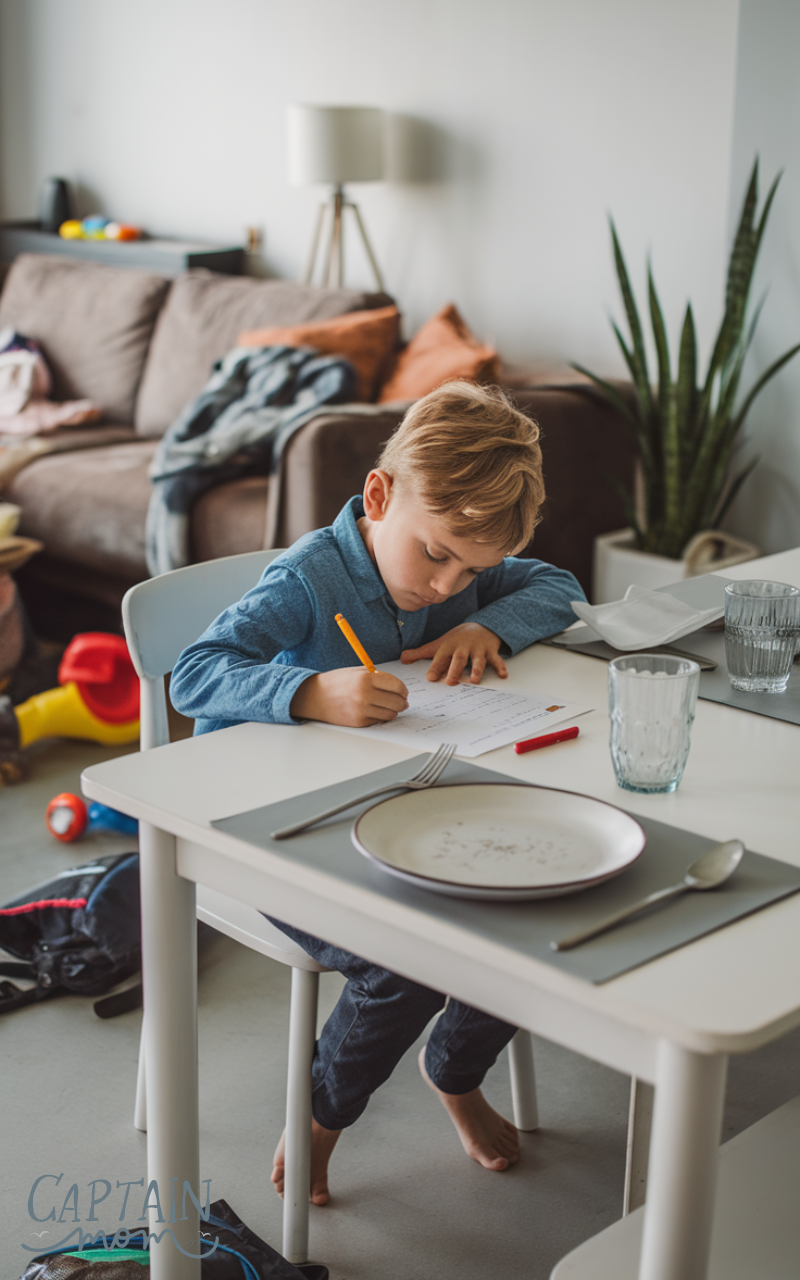
Simple chores teach responsibility and teamwork within an After School Routine Flow for Kids at Home. Tasks like organizing backpacks, setting the table, or tidying toys help children feel capable and involved in family life. Keep expectations age-appropriate and consistent. When chores become routine rather than optional, kids learn accountability naturally. Including responsibility time in your After School Routine Flow for Kids at Home builds independence while reducing household stress for parents.
7. Screen Time with Clear Limits
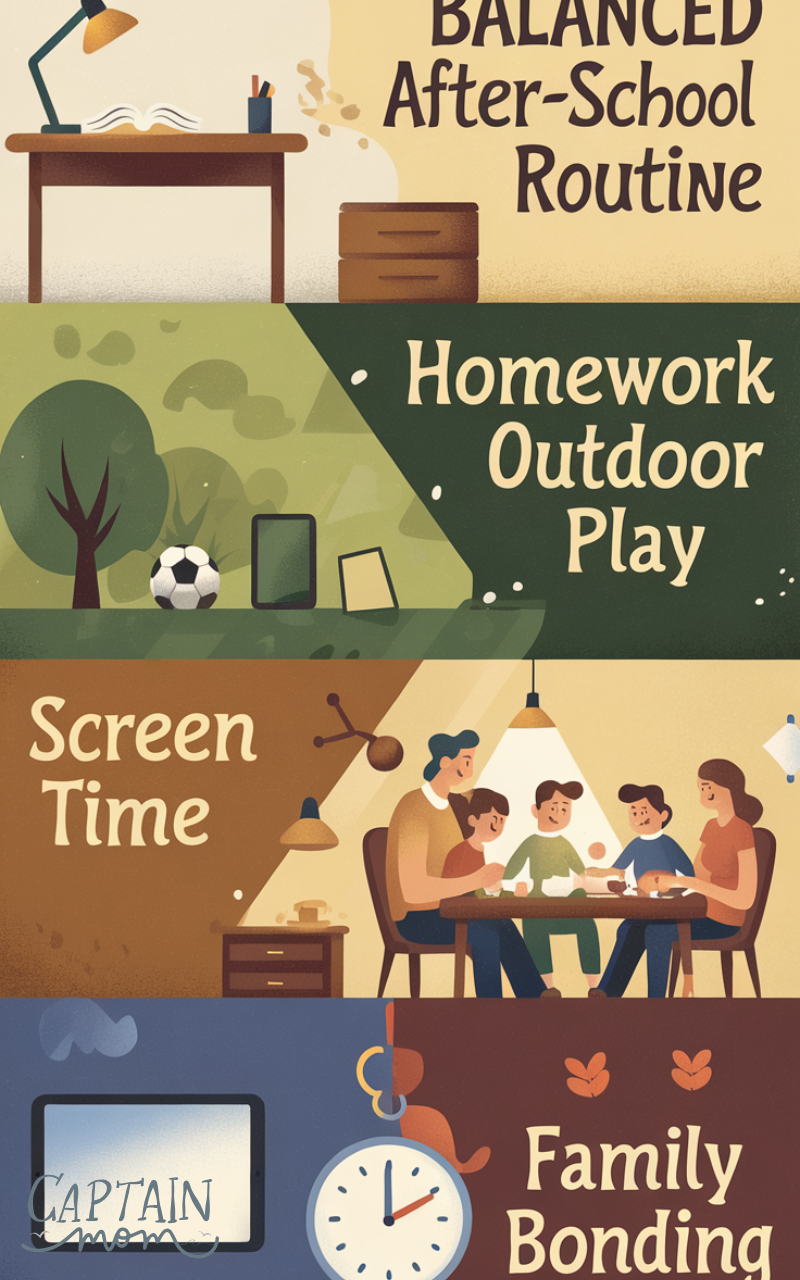
Screens can fit positively into an After School Routine Flow for Kids at Home when boundaries are clear. Allow limited screen time only after homework and responsibilities are completed. Educational games or favorite shows can help kids relax, but timers prevent overuse. Consistency is key so children understand expectations. A balanced approach to screens within your After School Routine Flow for Kids at Home teaches moderation and prevents daily conflicts about devices.
6. Family Check-In Conversation
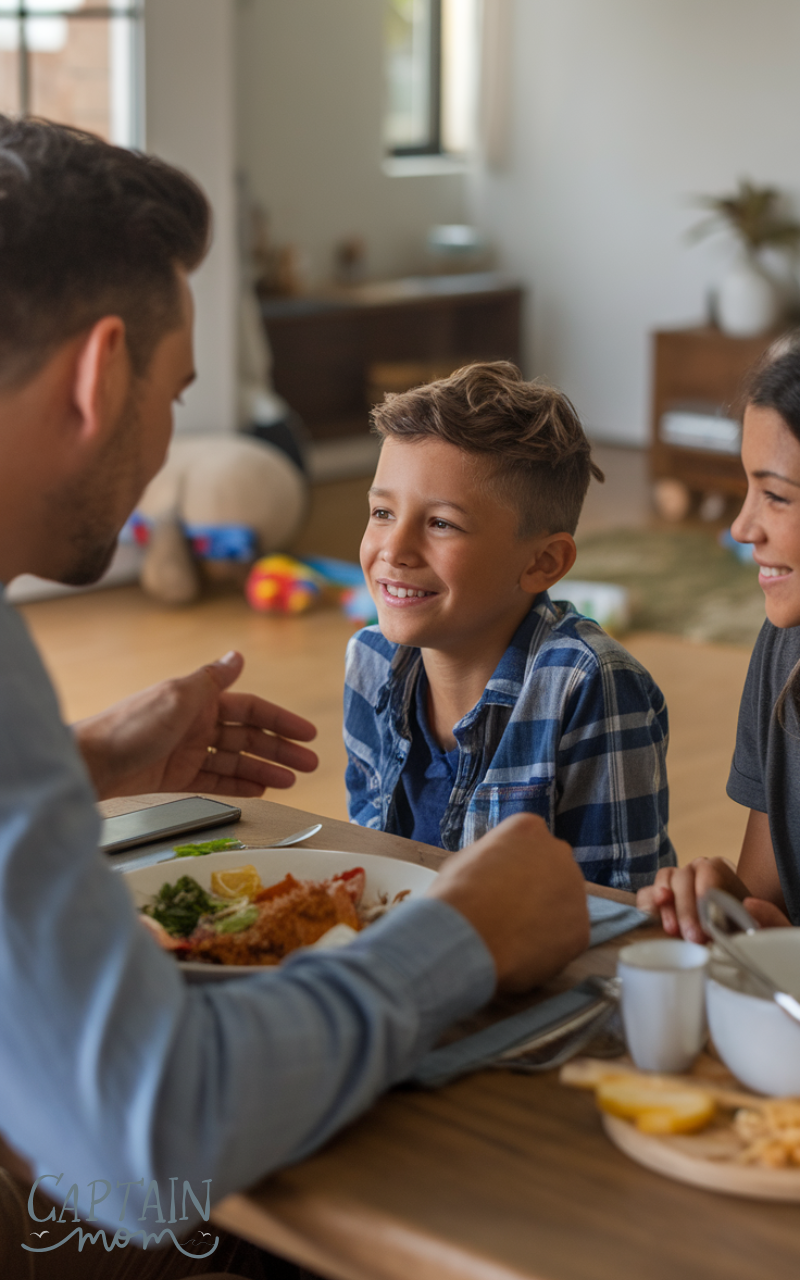
A daily conversation strengthens emotional bonds in an After School Routine Flow for Kids at Home. Ask open questions like “What made you smile today?” instead of focusing only on performance. These talks help children process experiences and feel heard. Keep the tone relaxed and supportive. Including family check-ins in your After School Routine Flow for Kids at Home improves communication and encourages kids to share feelings openly as they grow.
5. Prepare for Tomorrow Together
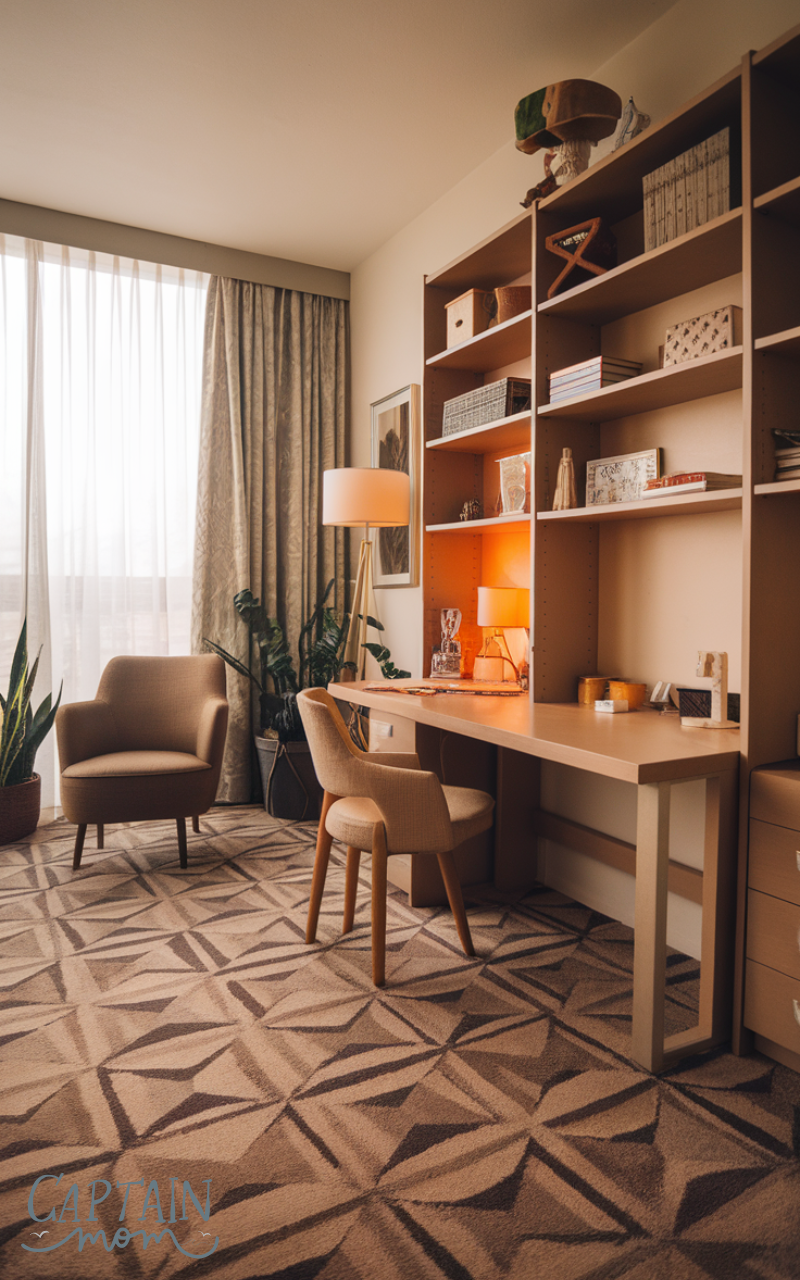
Preparation reduces morning stress, making it a smart step in an After School Routine Flow for Kids at Home. Encourage children to pack backpacks, choose clothes, and organize school materials ahead of time. Turning preparation into a shared activity builds responsibility while preventing rushed mornings. When this habit becomes part of your After School Routine Flow for Kids at Home, evenings feel calmer and children start each school day more confident and organized.
4. Calm Down and Relaxation Time
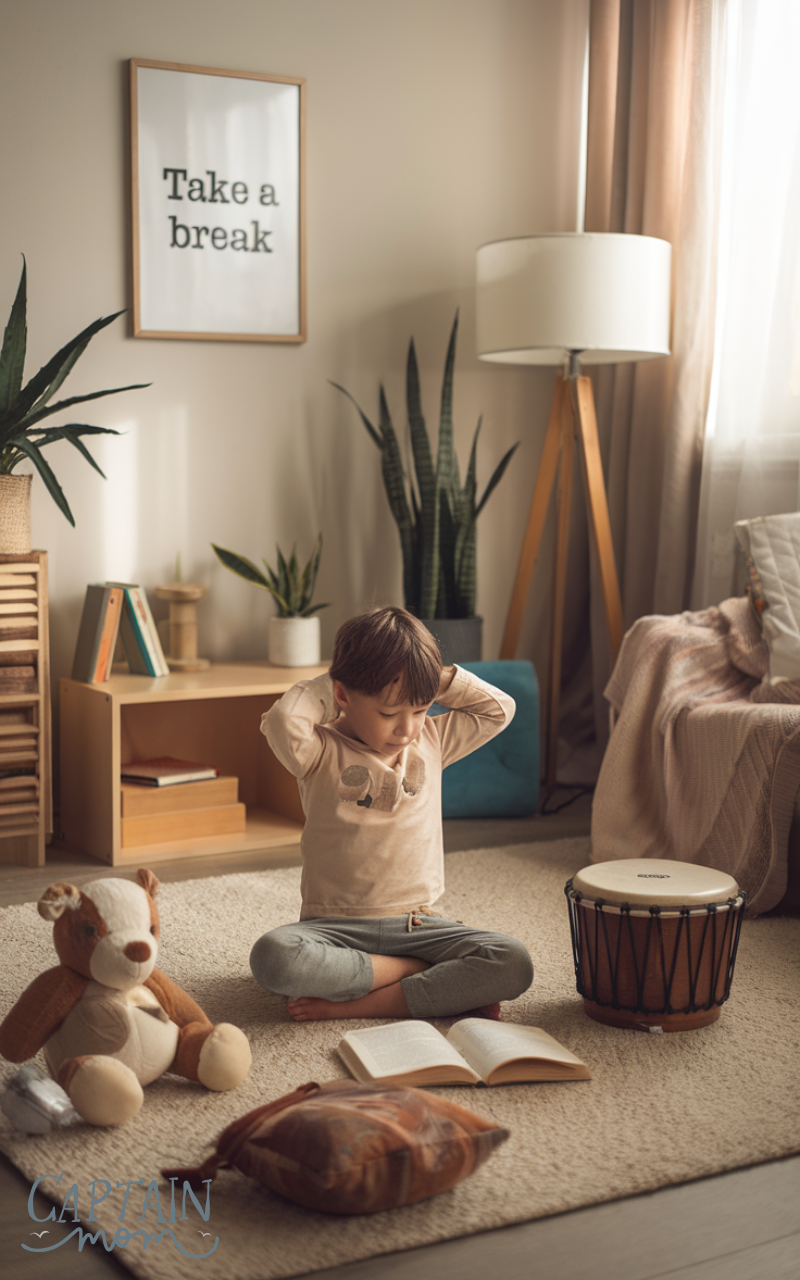
Relaxation supports emotional balance within an After School Routine Flow for Kids at Home. Gentle activities like stretching, listening to music, or quiet storytelling help children slow down before dinner and bedtime routines begin. This transition period signals that the busy part of the day is ending. Including calm moments in your After School Routine Flow for Kids at Home reduces overstimulation and prepares kids for a peaceful evening atmosphere.
3. Family Dinner Connection
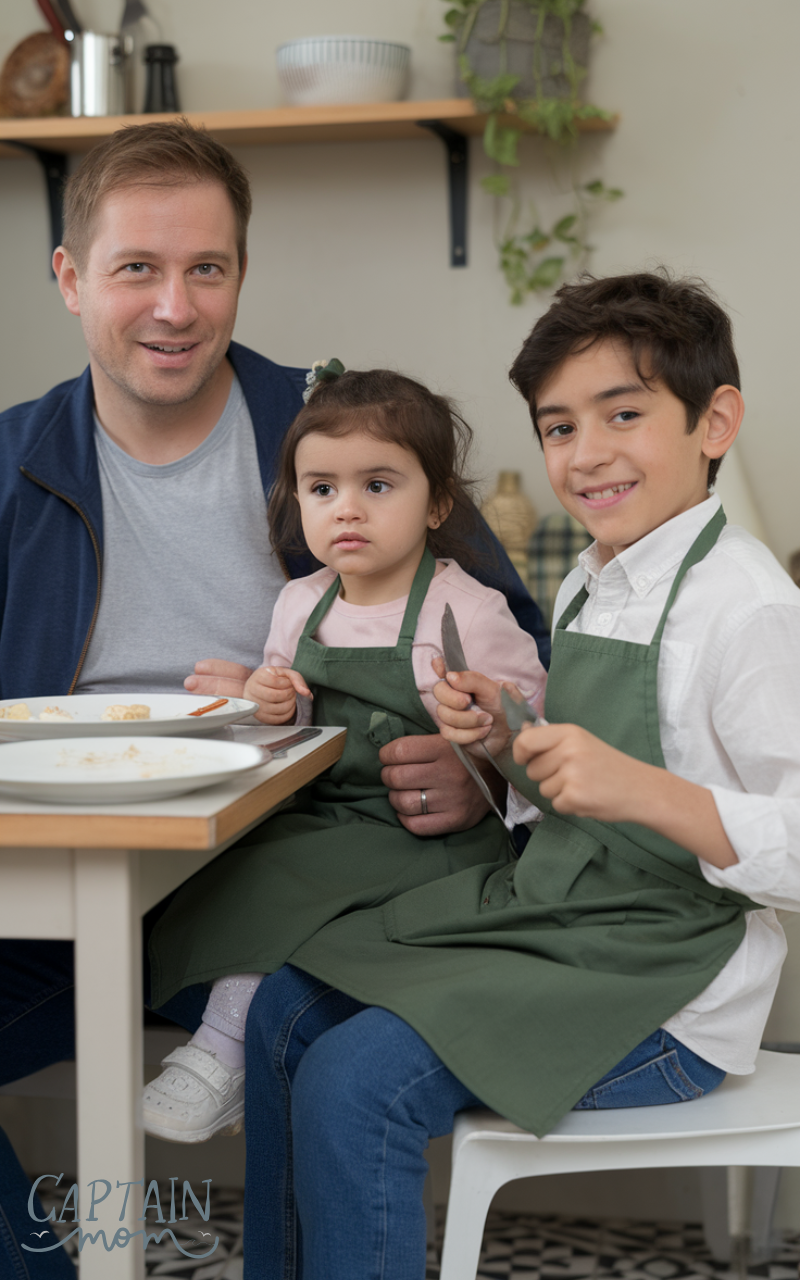
Sharing dinner together is a powerful anchor in an After School Routine Flow for Kids at Home. Sitting together without distractions encourages conversation, gratitude, and connection. Children feel valued when their voices are included at the table. Regular family meals are linked to better emotional and social outcomes. Making dinner a consistent part of your After School Routine Flow for Kids at Home strengthens family relationships while creating comforting daily traditions.
2. Evening Hygiene Routine
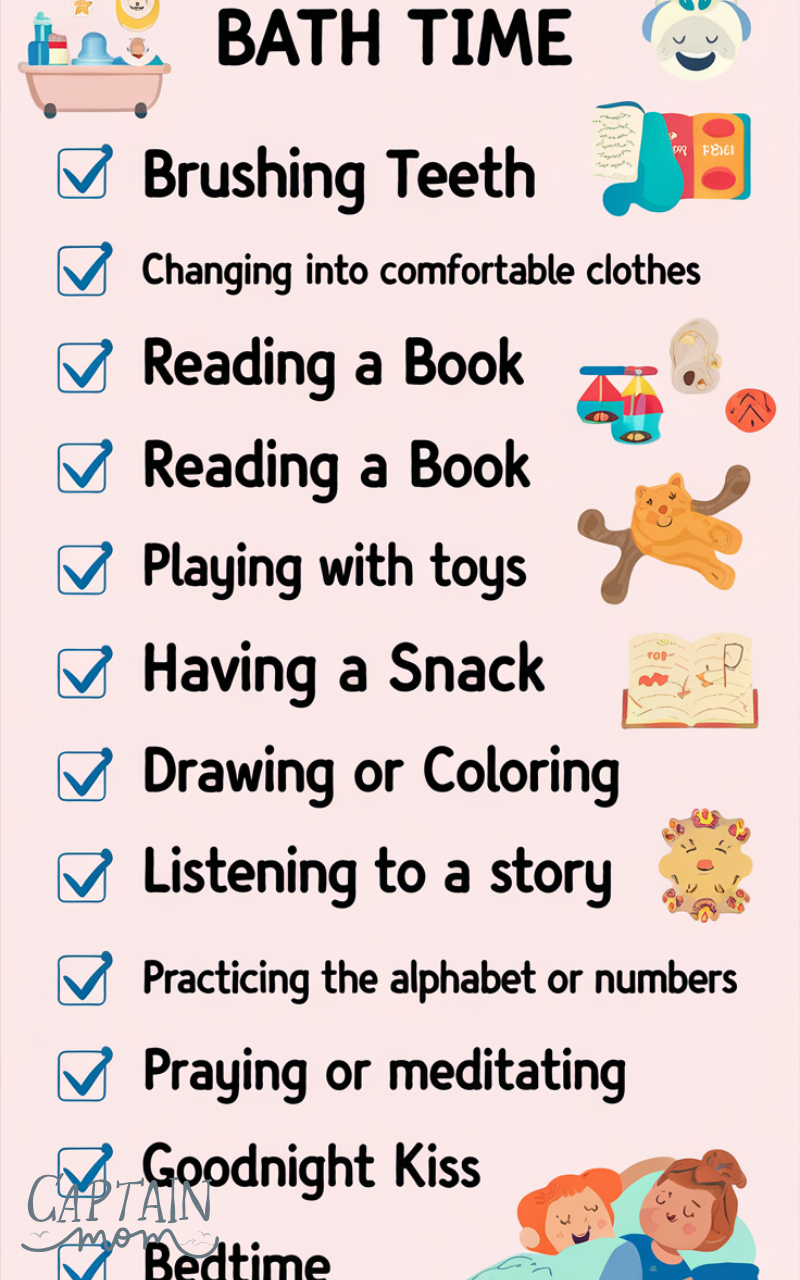
Teaching hygiene habits is easier when included in an After School Routine Flow for Kids at Home. Bath time, brushing teeth, and changing into comfortable clothes help children transition toward bedtime readiness. Predictable hygiene routines promote independence and health awareness. When kids know exactly what comes next, resistance decreases. Adding hygiene steps into your After School Routine Flow for Kids at Home ensures evenings run smoothly and prepares children physically and mentally for rest.
1. Calm Bedtime Wind-Down
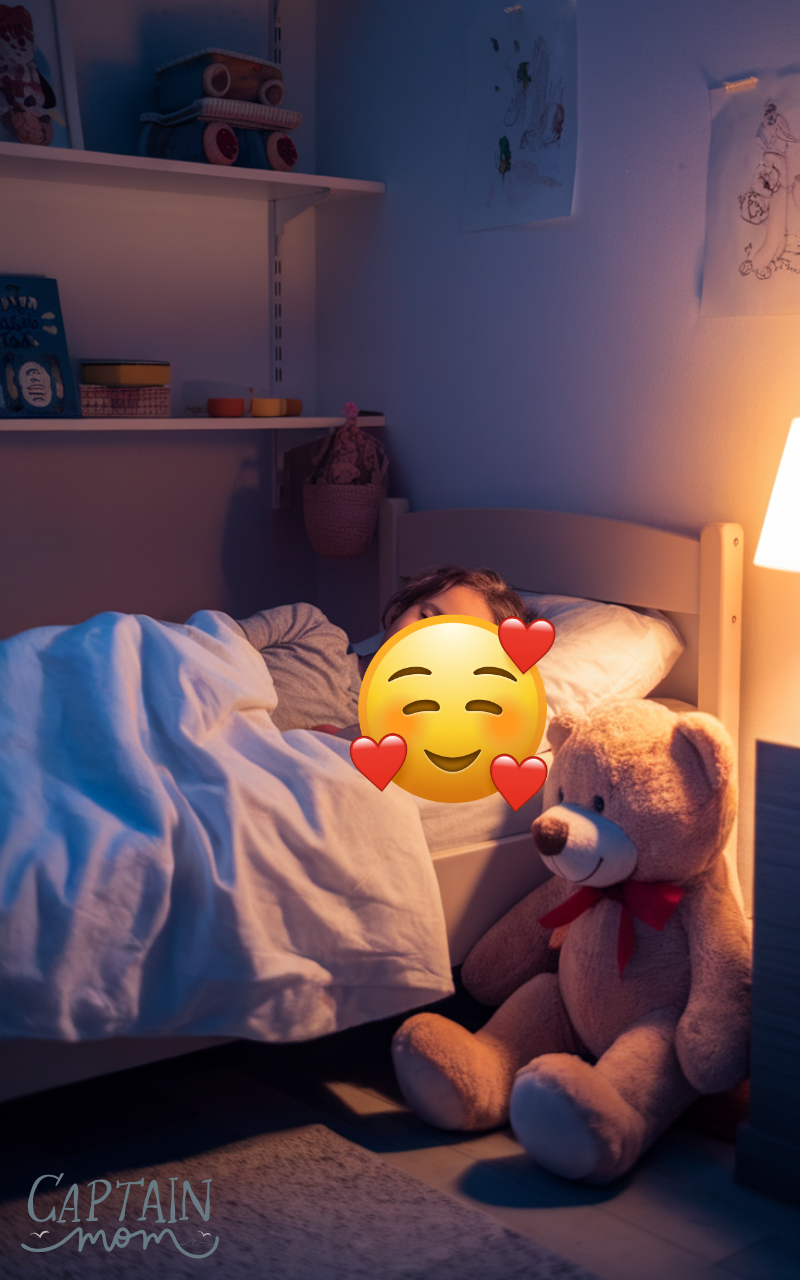
The final step in a successful After School Routine Flow for Kids at Home is a peaceful bedtime wind-down. Reading stories, dimming lights, and maintaining consistent sleep times help children relax and fall asleep faster. Avoid stimulating activities close to bedtime. A predictable ending to the day gives children emotional security and improves sleep quality. Completing your After School Routine Flow for Kids at Home with a calm bedtime routine ensures kids wake refreshed and ready for another successful school day.
Conclusion
Building a consistent After School Routine Flow for Kids at Home transforms busy afternoons into structured, peaceful family time. When children know what to expect, they feel secure, cooperative, and more confident managing responsibilities. A thoughtful After School Routine Flow for Kids at Home supports learning, emotional health, and stronger family connections while reducing daily stress for parents. If you enjoyed these ideas and want more practical parenting routines and home organization tips, make sure to subscribe to the blog and stay updated with new helpful guides designed to simplify family life every day.