

Toddler daily schedule was the thing I didn’t realize I was missing until our days started blending together. As a 40-year-old mom with two kids, and one of them still a toddler, I remember waking up already exhausted and wondering why everything felt so chaotic. My little one had endless energy, I had limited patience, and by the afternoon, we were both overwhelmed. I wasn’t chasing perfection, I just needed a toddler daily schedule that brought rhythm and calm back into our home.
Once I started reading how other moms structured their days, it finally clicked. A flexible toddler daily schedule helped me plan outings in the morning, protect nap time, and create simple moments of independent play. Small things made a big difference, like setting up activities that kept my toddler busy while I handled real-life tasks, including kitchen counter organization, without constant interruptions. The goal wasn’t control, it was flow.
The real solution was realizing that a toddler’s daily schedule doesn’t have to be strict to work. A loose routine built around meals, naps, outdoor time, and play gave my toddler security and gave me breathing room. When I stopped forcing unrealistic plans and focused on what actually fit our family, our days became calmer, more predictable, and genuinely enjoyable.
15. Early Morning Wake-Up

Start your toddler’s day gently with a calm wake-up routine. Natural light, soft music, and a warm hug can help them transition from sleep. A consistent wake-up time is key in a toddler daily schedule at home, helping regulate their body clock and mood. Beginning the day calmly sets the tone for the rest of the schedule, making mornings less stressful for both toddlers and parents.
14. Morning Hygiene

After waking up, a short hygiene routine including brushing teeth, washing hands, and face keeps toddlers healthy and starts their day with structure. In a toddler daily schedule at home, simple steps repeated consistently teach independence and hygiene habits early. Using fun songs or a visual chart can make this time enjoyable and interactive.
13. Nutritious Breakfast

A balanced breakfast fuels toddlers for active morning play. Offer fruits, grains, and proteins while keeping portions toddler-friendly. In a toddler daily schedule at home, breakfast time also serves as a teaching moment for sharing, manners, and trying new foods. Sitting together as a family helps build social skills and healthy routines.
12. Morning Playtime
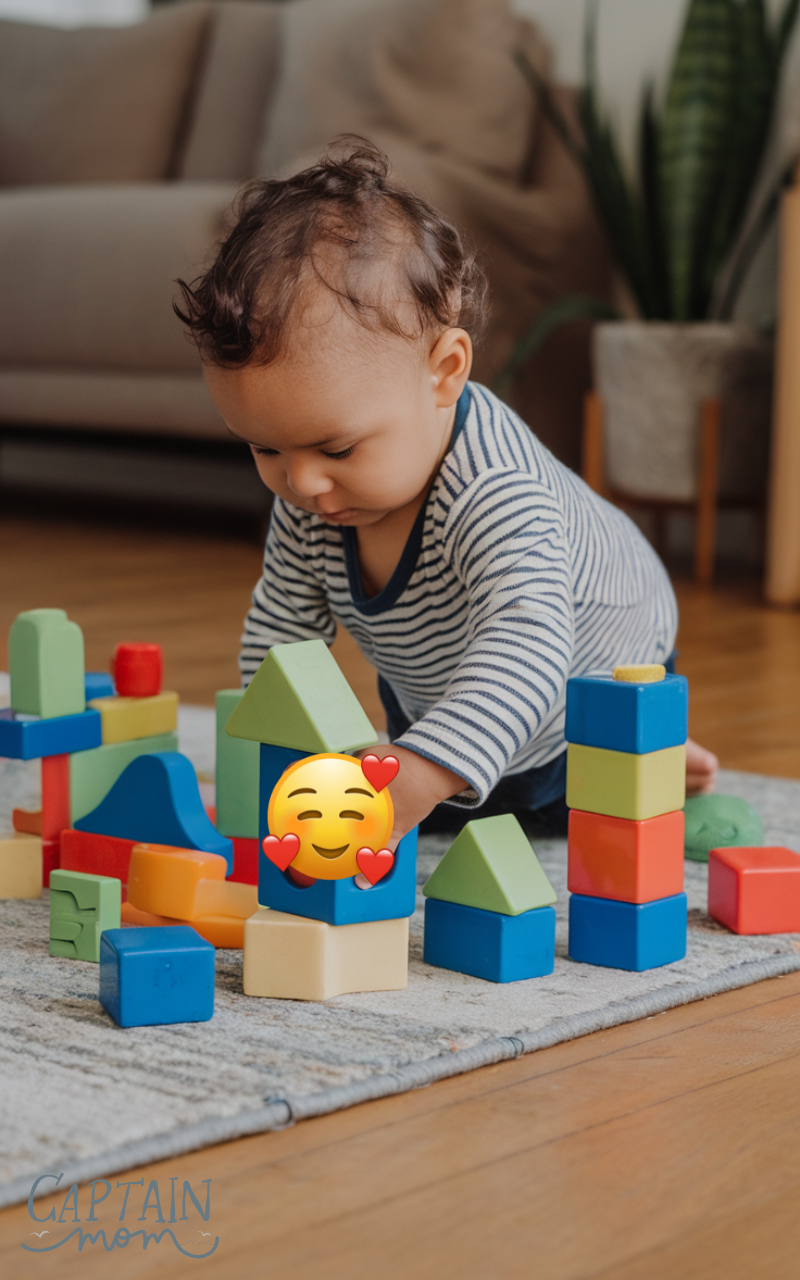
Toddlers have high energy in the morning, so active play is important. Include physical activities like dancing, building blocks, or outdoor play. A toddler daily schedule at home benefits from this dedicated playtime, supporting motor skills, creativity, and independence. Rotate toys or outdoor activities to keep engagement high and prevent boredom.
11. Learning Activities
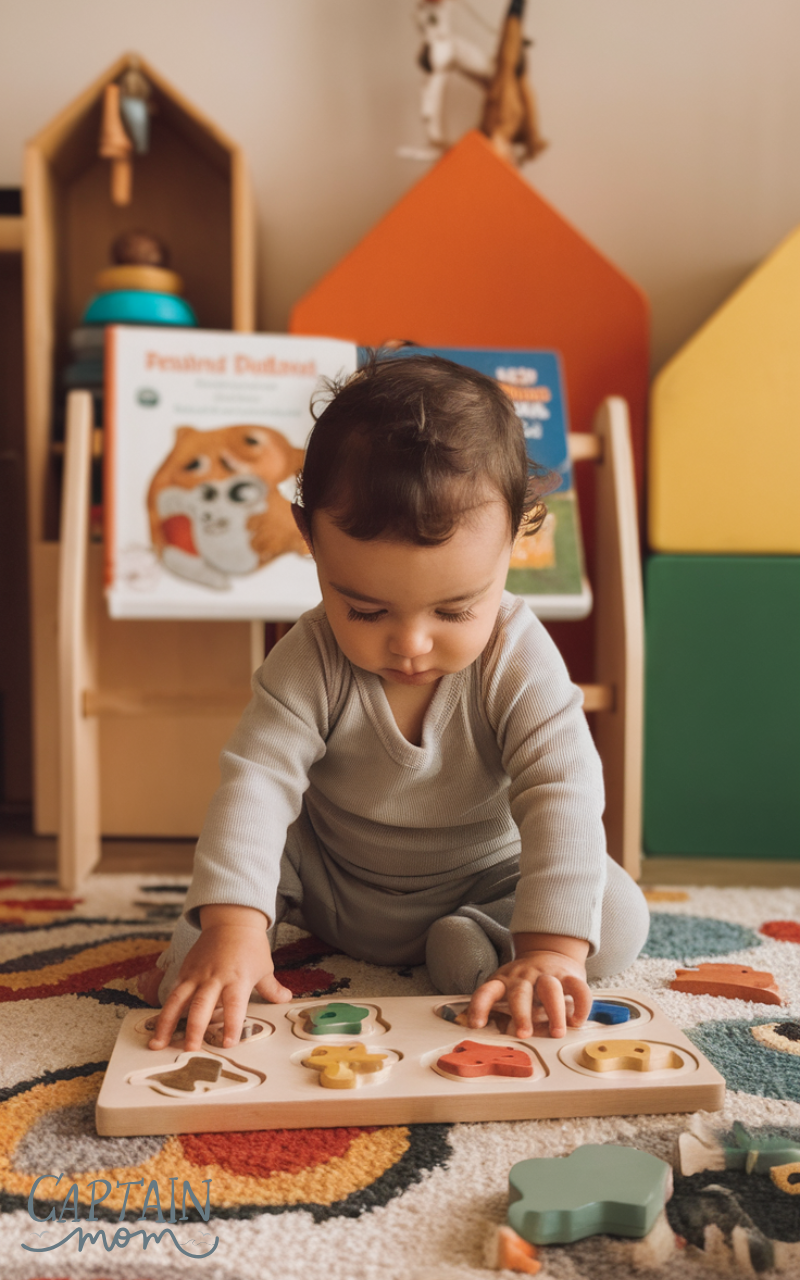
Short, focused learning activities help toddlers develop early skills. Reading books, simple puzzles, or counting games fit perfectly. In a toddler daily schedule at home, 15–20 minutes of guided learning nurtures cognitive growth while keeping it fun and stress-free. Consistency and variety ensure your toddler stays interested and stimulated.
10. Snack Time

Mid-morning snacks prevent energy dips and support healthy eating habits. Fruit slices, yogurt, or whole-grain crackers are ideal. In a toddler daily schedule at home, snack breaks also provide short transitions between play and other activities, helping toddlers understand structured timing.
9. Creative Arts
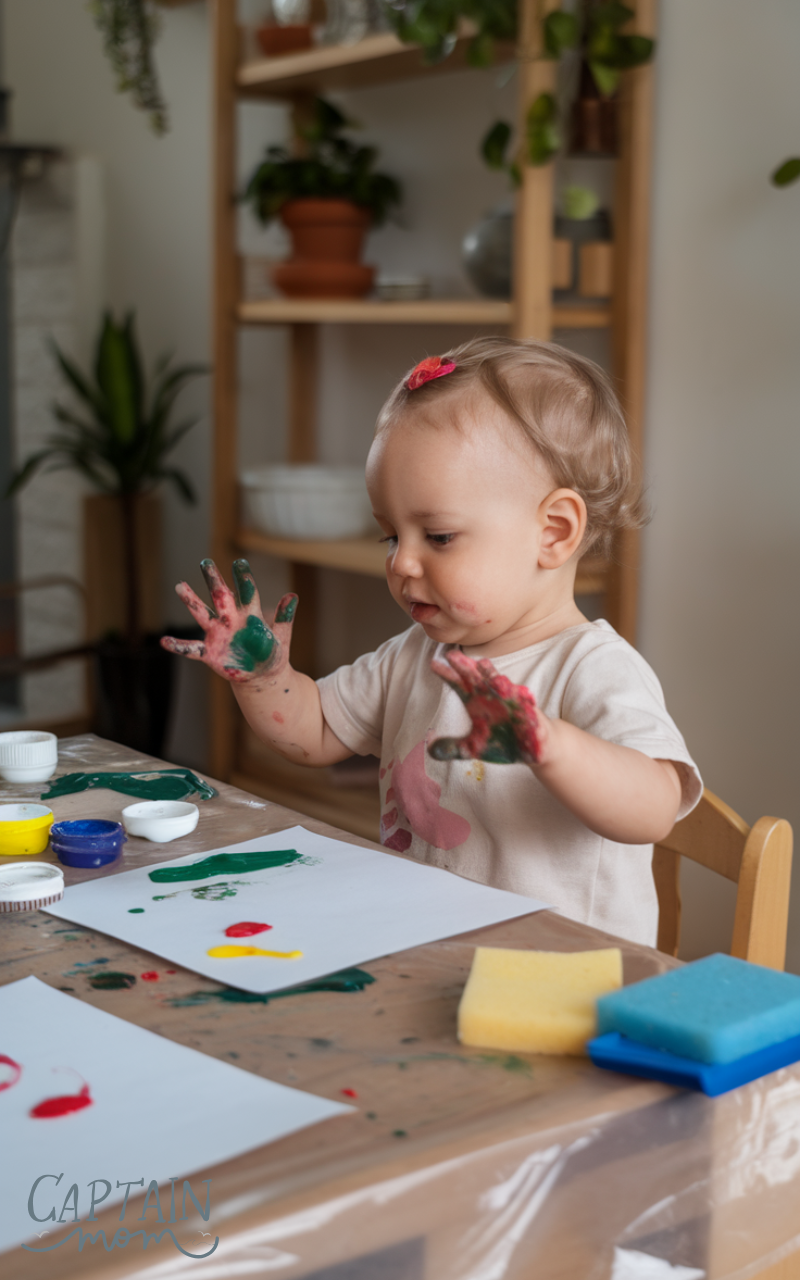
Encourage self-expression with arts and crafts. Simple drawing, coloring, or finger painting sparks creativity. A toddler daily schedule at home benefits from creative time because it develops fine motor skills and imagination. Keep materials safe, mess-friendly, and easily washable for stress-free fun.
8. Outdoor Exploration

Fresh air and movement are essential. Short walks, backyard play, or sandbox fun fit well. In a toddler daily schedule at home, outdoor exploration improves mood, energy regulation, and sensory development. Sunshine and new experiences make the day more dynamic and engaging for toddlers.
7. Lunchtime Routine

Lunch should be healthy, balanced, and relatively calm. Encourage toddlers to self-feed and explore new textures. In a toddler daily schedule at home, lunchtime also teaches social interaction and patience while giving parents a mid-day reset. Keeping a consistent lunchtime supports digestion and daily rhythm.
6. Quiet Time/Rest

After lunch, toddlers benefit from quiet time or nap time. Even if your toddler doesn’t sleep, a rest period with books or soft music is calming. In a toddler daily schedule at home, this helps regulate mood, prevents overstimulation, and recharges energy for the afternoon.
5. Afternoon Snack

A small snack after rest supports sustained energy for afternoon activities. Healthy options like fruit, cheese, or crackers work well. In a toddler daily schedule at home, this snack also signals the start of the next activity block, creating predictable structure for toddlers.
4. Sensory Play
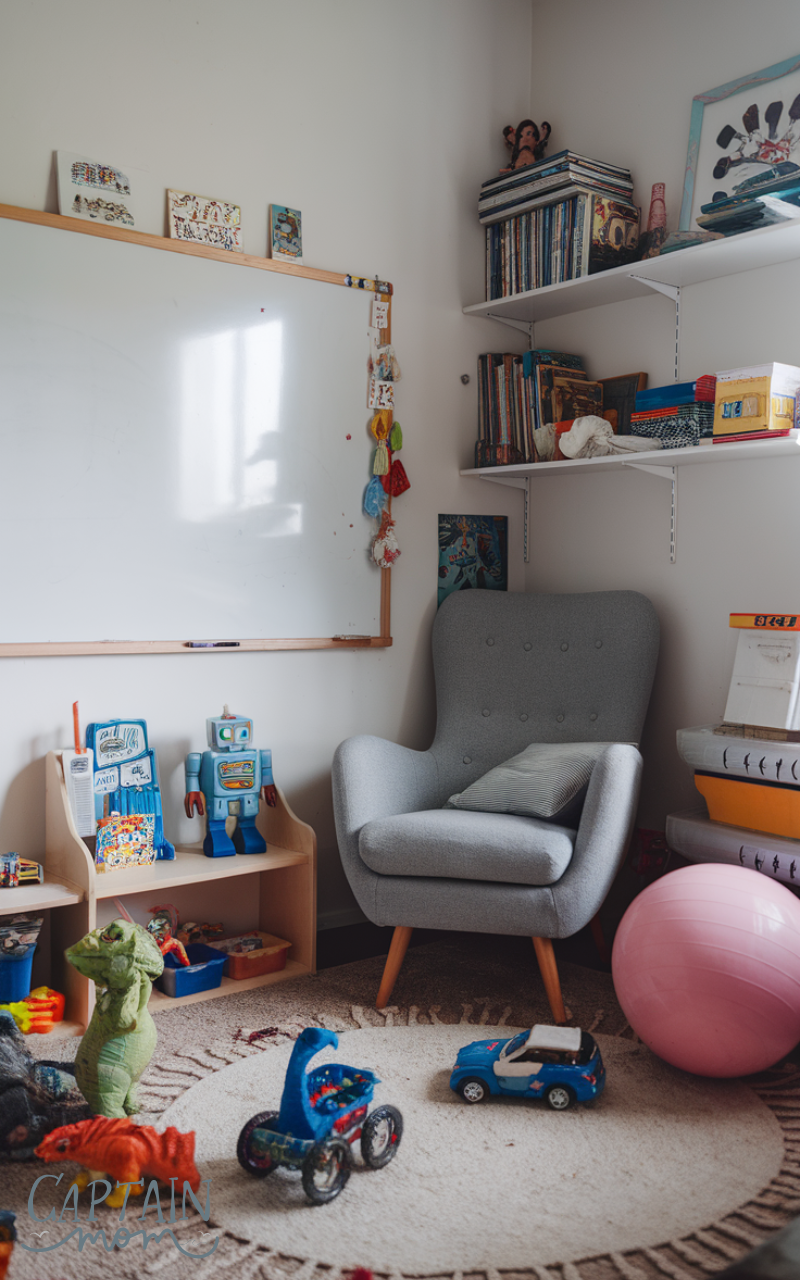
Engage toddlers in activities that stimulate touch, sight, and sound. Playdough, water tables, or rice bins encourage exploration. In a toddler daily schedule at home, sensory play enhances fine motor skills, curiosity, and problem-solving abilities while keeping play messy but controlled.
3. Music and Movement

Singing, clapping, and dancing help toddlers develop rhythm, coordination, and joy. Include short music sessions in a toddler daily schedule at home to support cognitive and social skills. Musical activities also break up structured routines and allow toddlers to release energy positively.
2. Family Interaction

Evening routines should include family time. Reading stories together, talking about the day, or gentle play builds connection. A toddler daily schedule at home benefits from consistent bonding moments, promoting emotional security, communication skills, and attachment.
1. Bedtime Routine

A calm, predictable bedtime routine is the foundation of good sleep habits. Bath, pajamas, brushing teeth, and a short story signal that it’s time to wind down. In a toddler daily schedule at home, consistent bedtime helps regulate circadian rhythm, improves mood, and ensures toddlers wake up refreshed.
Conclusion: Create a Calm and Happy Toddler Daily Schedule at Home
A well-planned toddler daily schedule at home balances play, learning, rest, and family connection. Consistency, flexibility, and a loving approach help toddlers thrive emotionally and physically. If you loved these toddler daily schedule tips and want more parenting hacks, routines, and fun activity ideas, subscribe to my blog for weekly inspiration.

[…] and that’s just real life. What helps me is keeping things simple and realistic, especially on school days. I’ve noticed that when I slow down just a little and stop trying to make everything perfect, our […]
[…] or time-consuming. I’ve learned that structure is everything. Just like setting boundaries in daily routines, having simple systems in the garden keeps things enjoyable instead of stressful. Whether it’s […]