

A Vegetable Garden Layout makes everything easier when you’re working with multiple beds and don’t want to guess spacing or placement. Planning digitally helps you visualize how crops will grow, rotate plants year to year, and avoid overcrowding. It’s especially useful if you struggle with drawing by hand or want something you can easily adjust as plans change.
Using a Vegetable Garden Layout tool also helps when space is limited, because every square foot matters. Many gardeners dealing with a small backyard rely on planners to maximize yields, balance sun exposure, and keep taller plants from shading smaller ones. A clear layout turns a tight space into an efficient growing system.
At the end of the day, a solid vegetable garden layout saves time, reduces mistakes, and gives you confidence before planting season starts. Whether you use an app, spreadsheet, or simple grid, planning ahead is the difference between a chaotic garden and one that actually thrives, especially in a small backyard.
15. Classic Small Rectangular Bed Layout
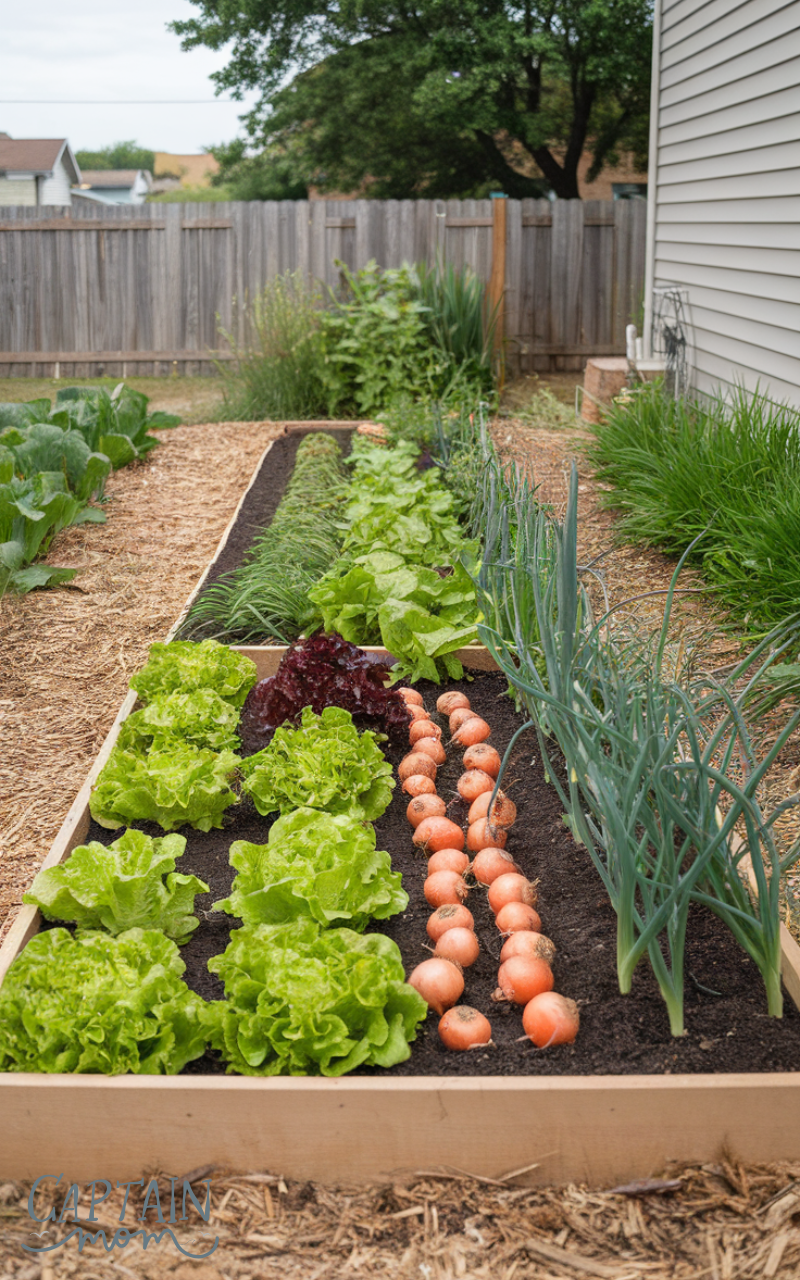
This is one of the easiest ways to begin a beginner vegetable garden layout. A simple rectangular bed helps you organize vegetables in neat rows, making watering, planting, and harvesting much easier. It’s perfect for beginners because you can clearly see plant spacing and growth. This layout works well for lettuce, carrots, onions, and beans. You can place the bed close to your home, which encourages regular care and observation. Keeping everything visible and accessible builds confidence and helps beginners stay motivated throughout the growing season.
14. Raised Bed Starter Layout
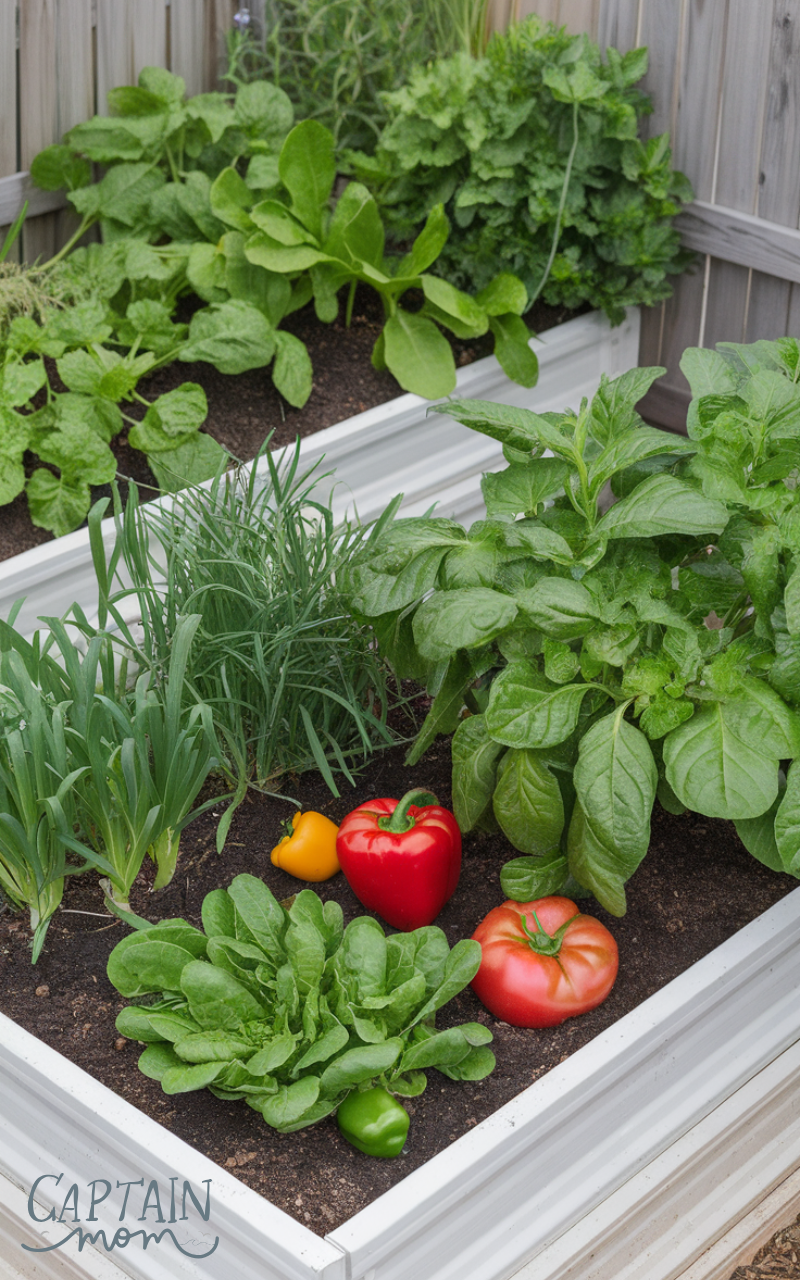
A raised bed is ideal for a beginner vegetable garden layout because it improves drainage and soil quality from day one. You can control the soil mix and reduce weed problems. Raised beds warm up faster, helping vegetables grow better early in the season. This layout is great for tomatoes, peppers, spinach, and herbs. It also reduces bending, making gardening more comfortable. Beginners love raised beds because they are tidy, productive, and easy to manage with minimal effort.
13. Square Foot Garden Layout
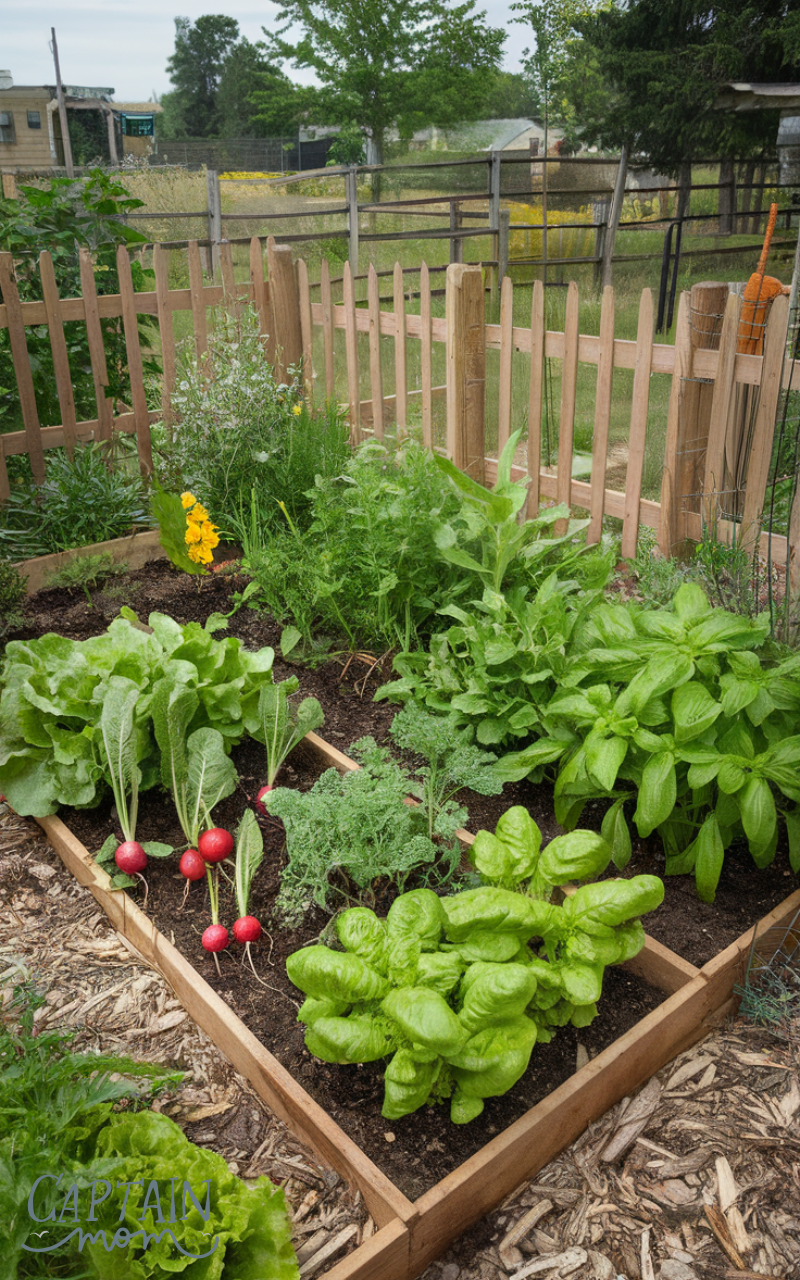
The square foot method divides the garden into small, equal sections, which makes planning very simple. This beginner vegetable garden layout helps avoid overcrowding and waste. Each square holds a specific number of plants, so beginners don’t have to guess spacing. It works well for small spaces and patios. Crops like radishes, lettuce, basil, and carrots grow beautifully in this system. It’s organized, efficient, and perfect for learning gardening basics step by step.
12. Container-Based Garden Layout
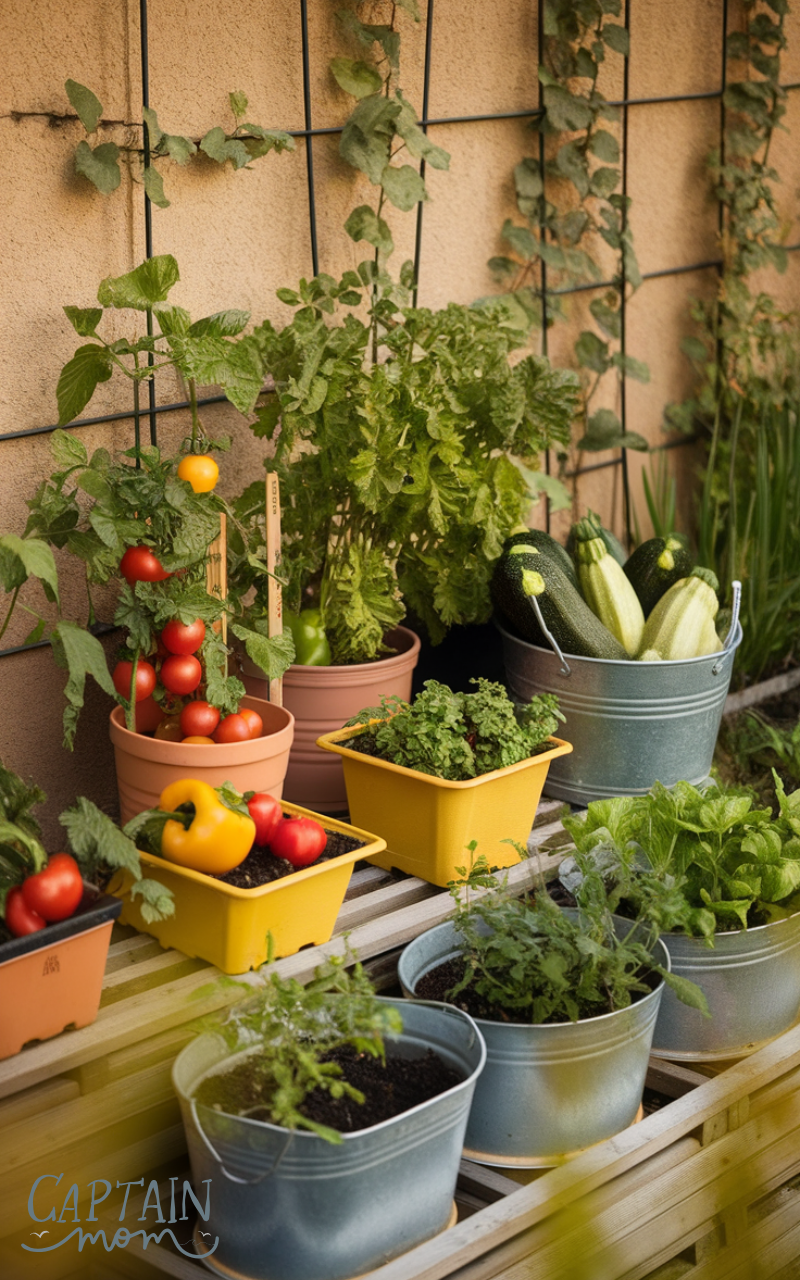
If you have limited space, containers are a smart beginner vegetable garden layout choice. Pots, buckets, and grow bags allow you to garden on balconies or patios. Containers are easy to move and manage, making them perfect for beginners. You can grow tomatoes, peppers, herbs, and even zucchini in containers. This layout helps beginners focus on a few plants at a time, making watering, feeding, and care much simpler and less overwhelming.
11. Straight Row Backyard Layout
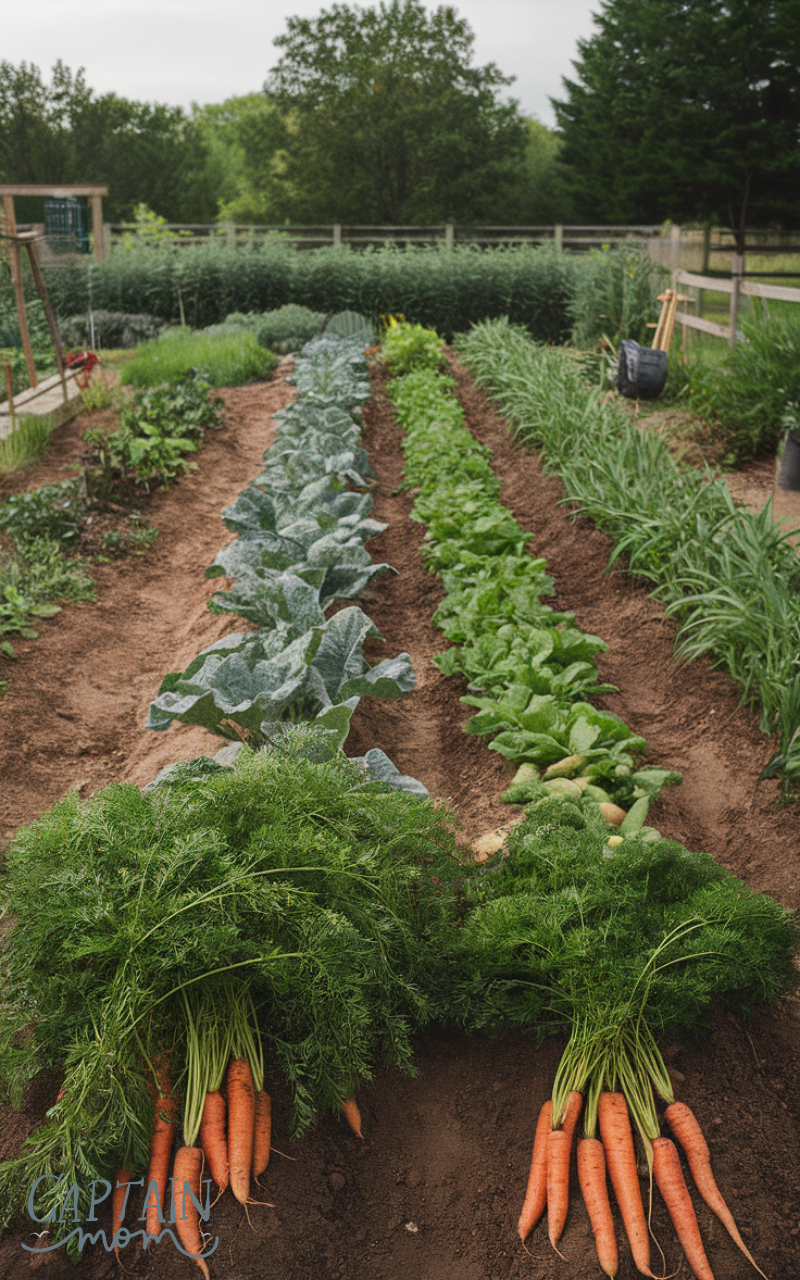
Planting vegetables in straight rows is a traditional beginner vegetable garden layout that’s easy to understand. Rows help with watering, weeding, and harvesting. This layout is ideal for larger backyards and works well for potatoes, beans, corn, and cabbage. Beginners benefit from clear organization and easy access between rows. It’s simple, practical, and perfect for learning how different vegetables grow throughout the season.
10. Herb and Vegetable Combo Layout
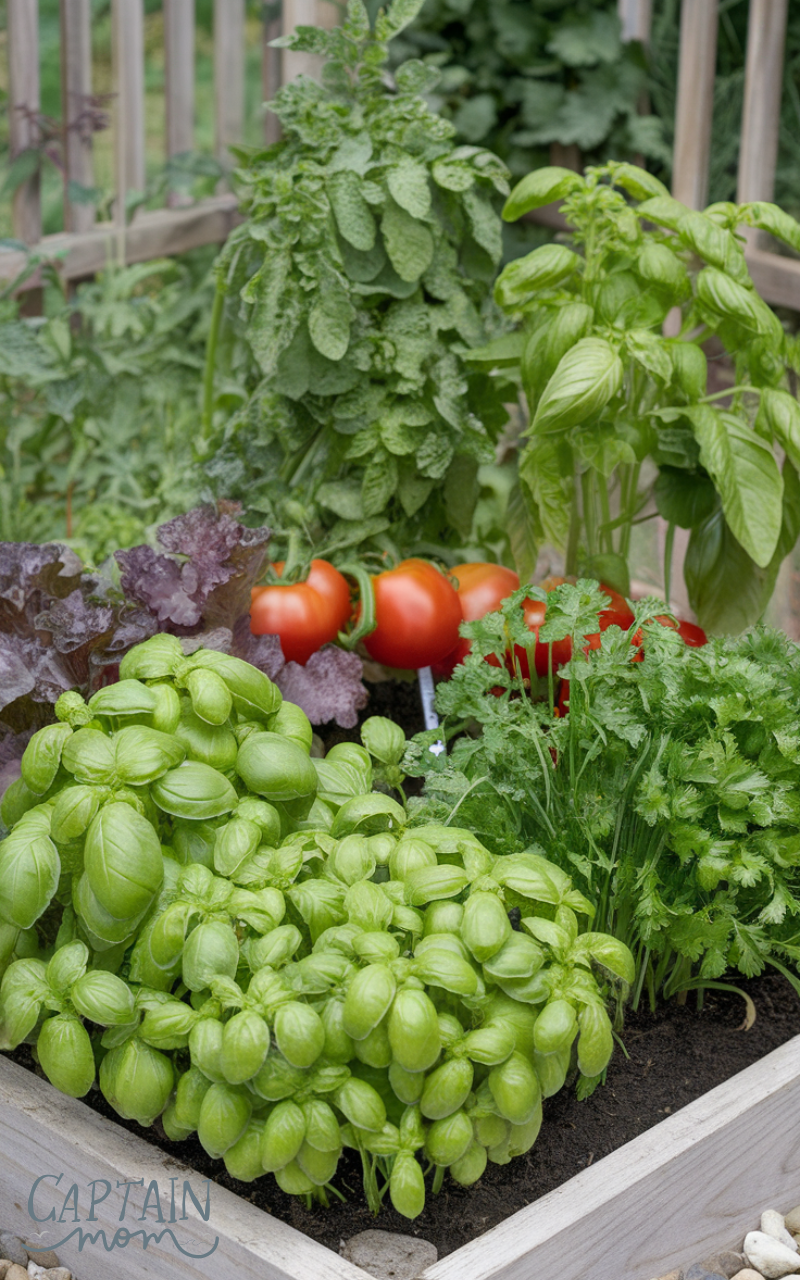
Combining herbs and vegetables in one beginner vegetable garden layout saves space and improves plant health. Herbs like basil and parsley can help repel pests naturally. This layout is great for beginners who want variety without complexity. You can place herbs around vegetables such as tomatoes and peppers. It’s visually appealing, productive, and encourages beginners to experiment while keeping the garden manageable and balanced.
9. L-Shaped Garden Layout
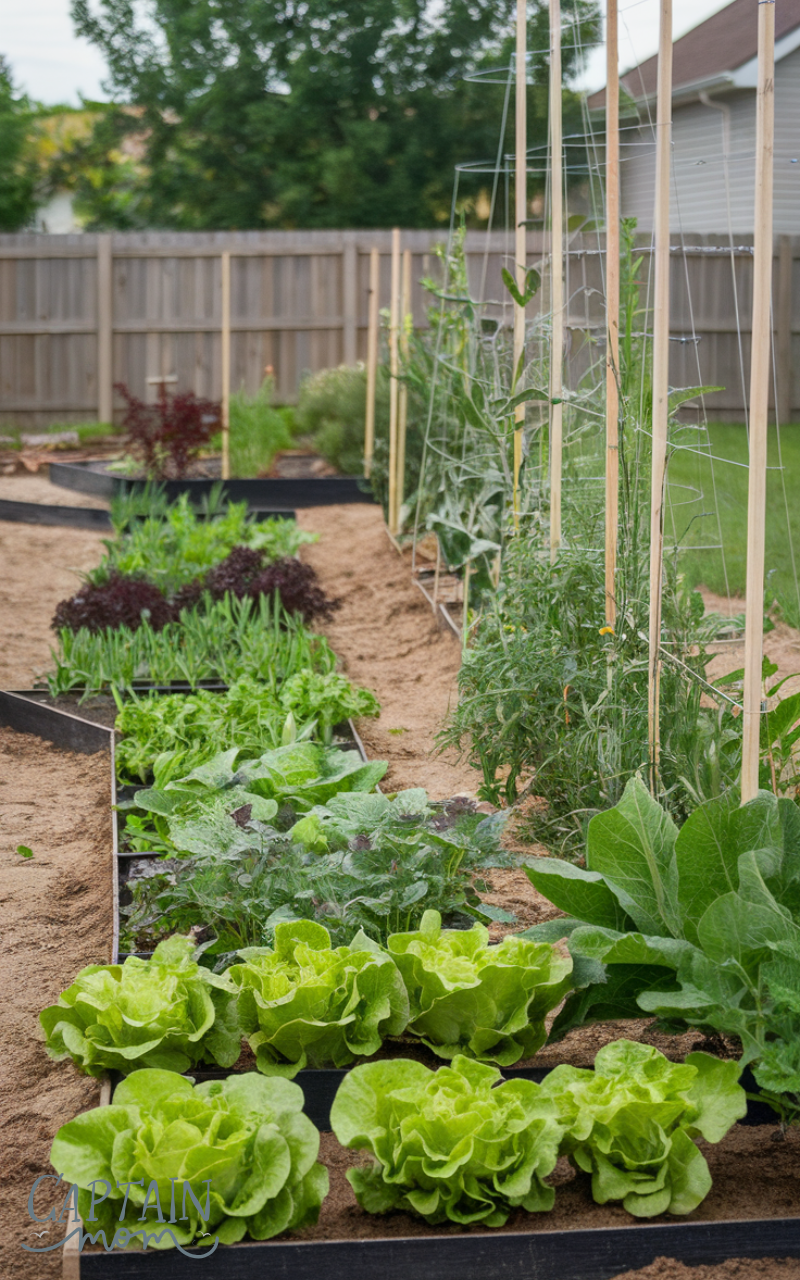
An L-shaped beginner vegetable garden layout fits perfectly into corners of yards or patios. It maximizes unused space while keeping plants accessible. This layout allows you to group vegetables based on sunlight needs. Beginners enjoy the flexibility and easy organization. Crops like lettuce, beans, and herbs grow well in this setup. It’s a smart solution for small or awkward spaces.
8. Vertical Garden Layout
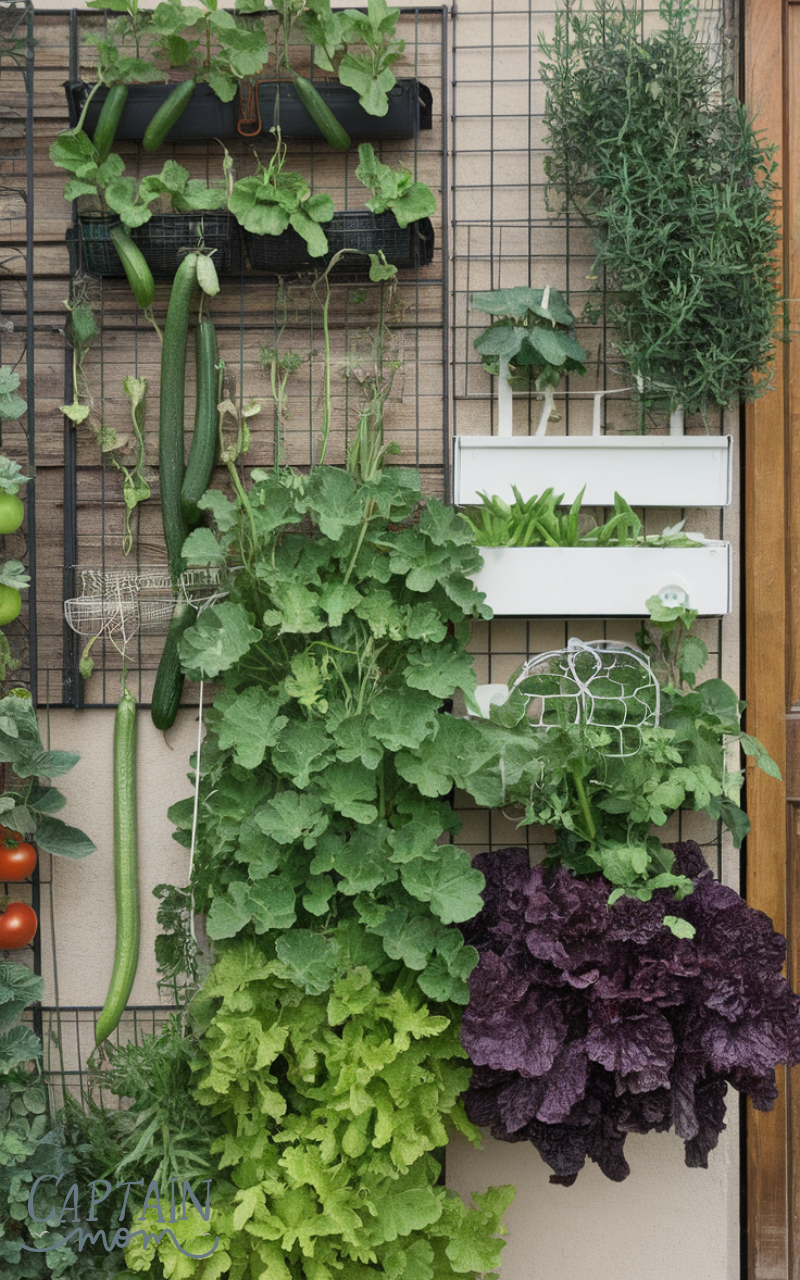
Vertical gardening is an excellent beginner vegetable garden layout for small spaces. Trellises, cages, and wall planters allow plants to grow upward instead of outward. This saves space and improves airflow. Beginners can grow cucumbers, peas, and tomatoes vertically with great results. Vertical layouts are easy to maintain and make harvesting simpler. They also add visual interest to your garden.
7. Salad Garden Layout
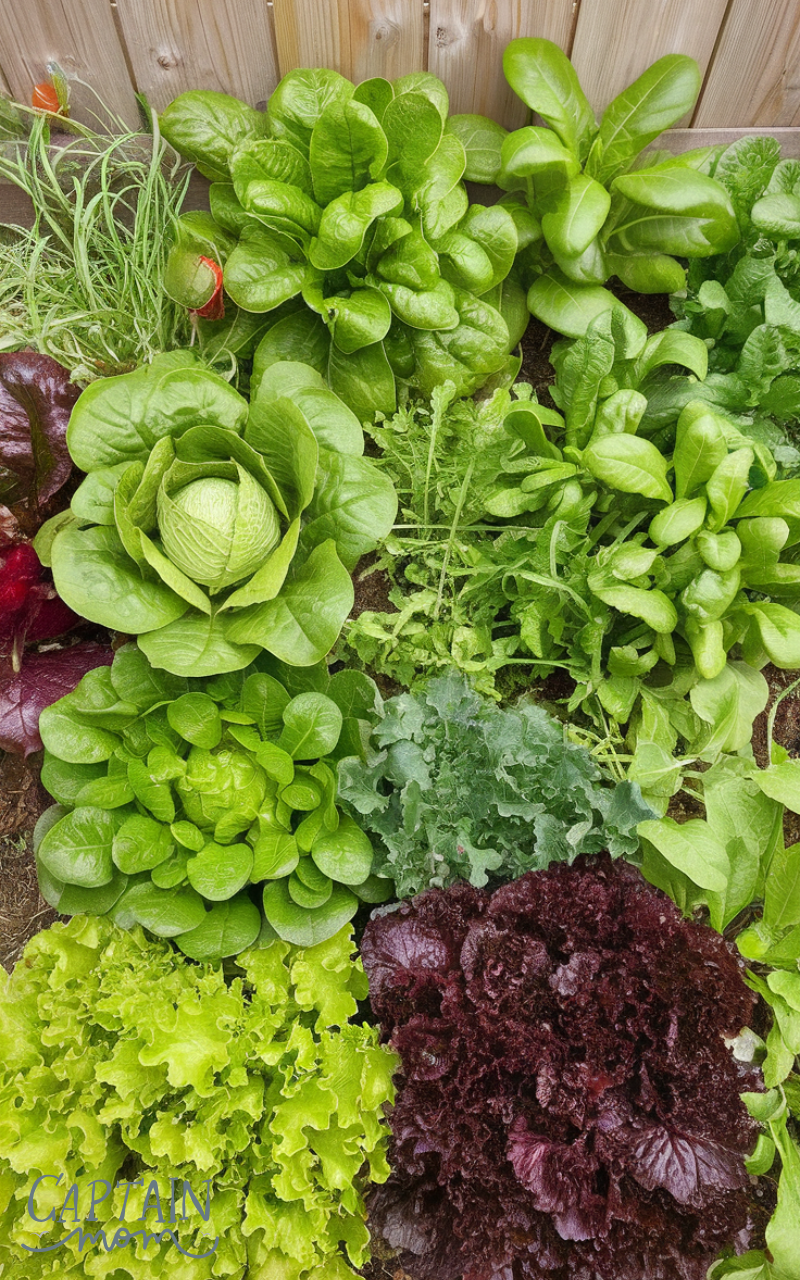
A salad-focused beginner vegetable garden layout is perfect for quick rewards. Lettuce, spinach, arugula, and radishes grow fast and don’t need much space. This layout keeps everything close together and easy to harvest. Beginners love seeing fast results, which builds confidence. You can harvest leaves regularly and enjoy fresh salads throughout the season with minimal effort.
6. Raised Bed with Paths Layout
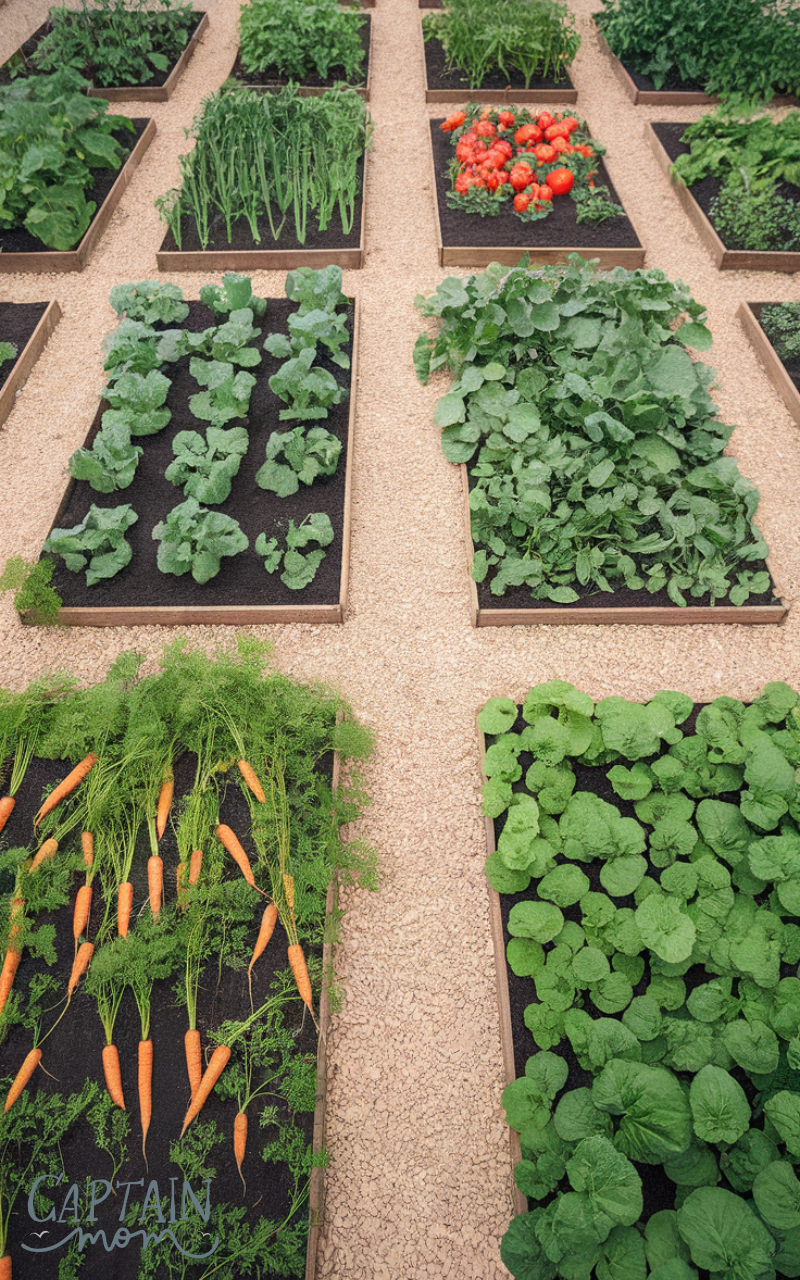
Adding paths between beds improves access and organization in a beginner vegetable garden layout. Paths help prevent soil compaction and make maintenance easier. This layout is ideal for beginners who want a clean, structured garden. It works well for mixed vegetables like carrots, tomatoes, and greens. Clear paths make gardening more enjoyable and less tiring.
5. Kitchen Garden Layout
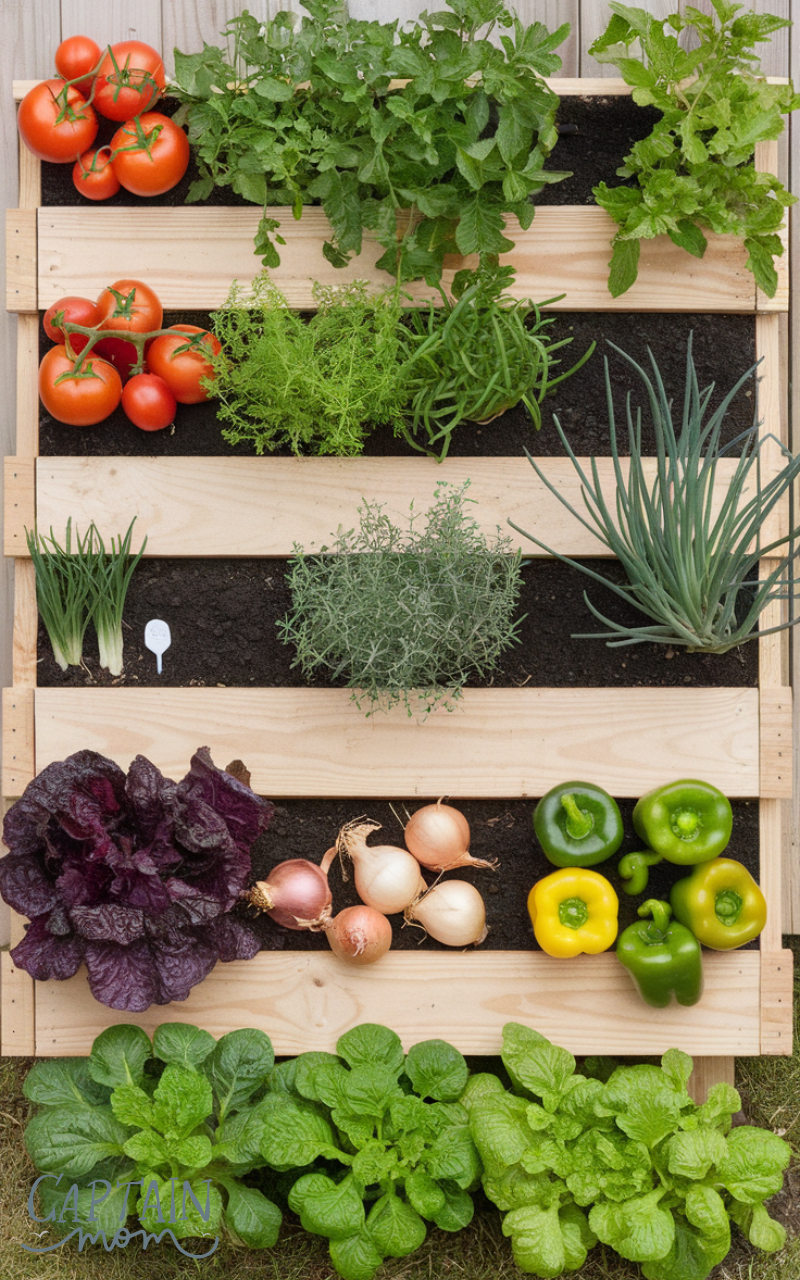
A kitchen garden beginner vegetable garden layout focuses on vegetables you use most often. Planting tomatoes, herbs, onions, and peppers close to your kitchen encourages daily care and harvesting. This layout is practical and motivating for beginners. It saves time and makes cooking with fresh ingredients easier. Simple planning leads to better results and enjoyment.
4. Companion Planting Layout
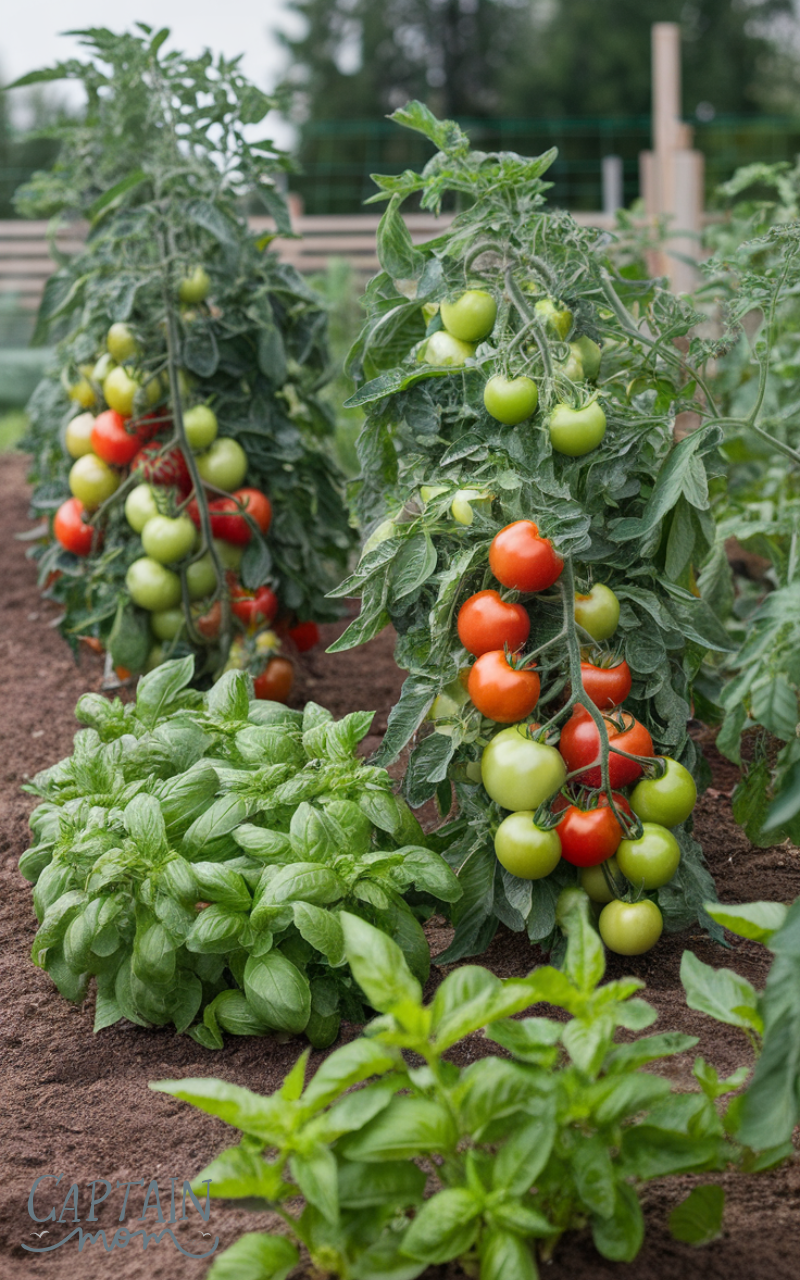
This beginner vegetable garden layout uses plants that grow well together. Pairing vegetables like tomatoes and basil improves growth and reduces pests. Beginners benefit from healthier plants with less effort. The layout encourages natural balance and diversity. It’s a gentle way to learn gardening while increasing success naturally.
3. Seasonal Rotation Layout
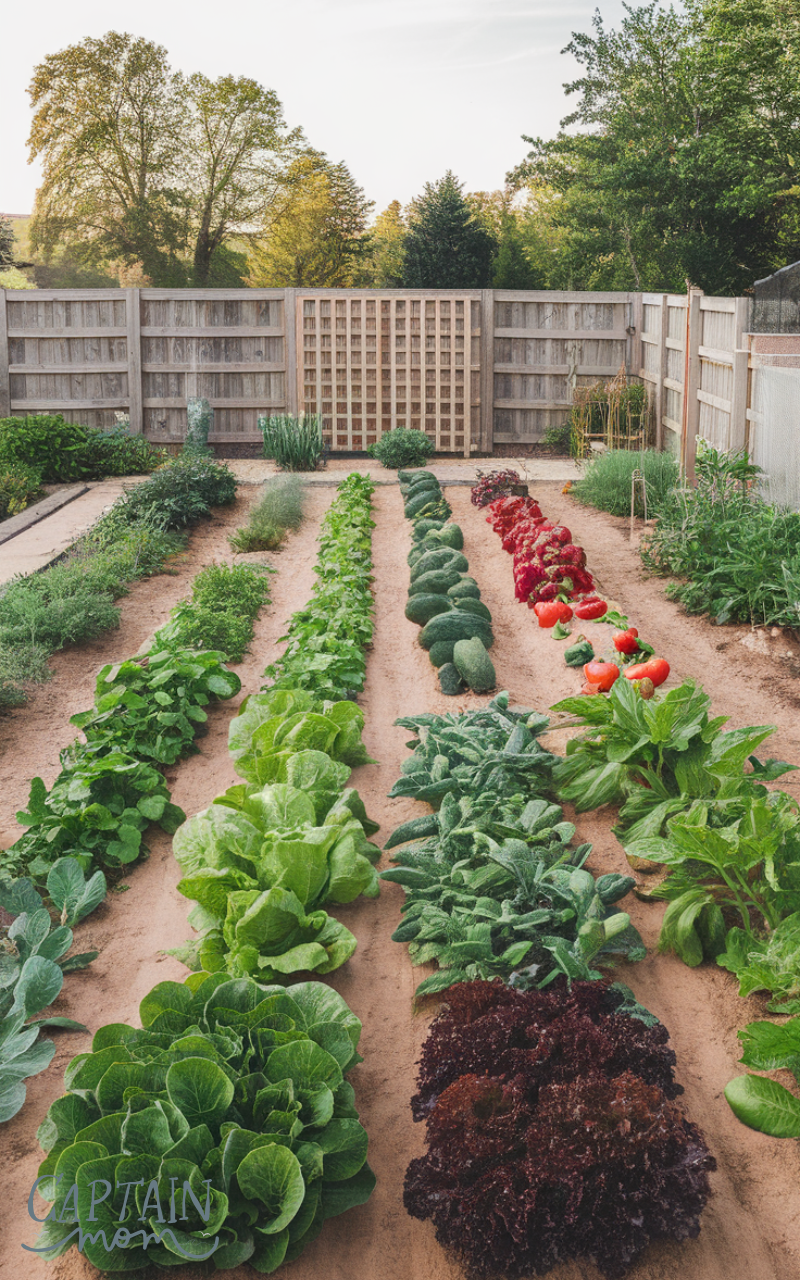
A seasonal beginner vegetable garden layout allows you to grow different crops throughout the year. Cool-season vegetables are planted first, followed by warm-season ones. Beginners learn how timing affects growth. This layout keeps the garden productive longer and prevents soil exhaustion. It’s a smart way to build gardening knowledge gradually.
2. One-Bed Beginner Layout
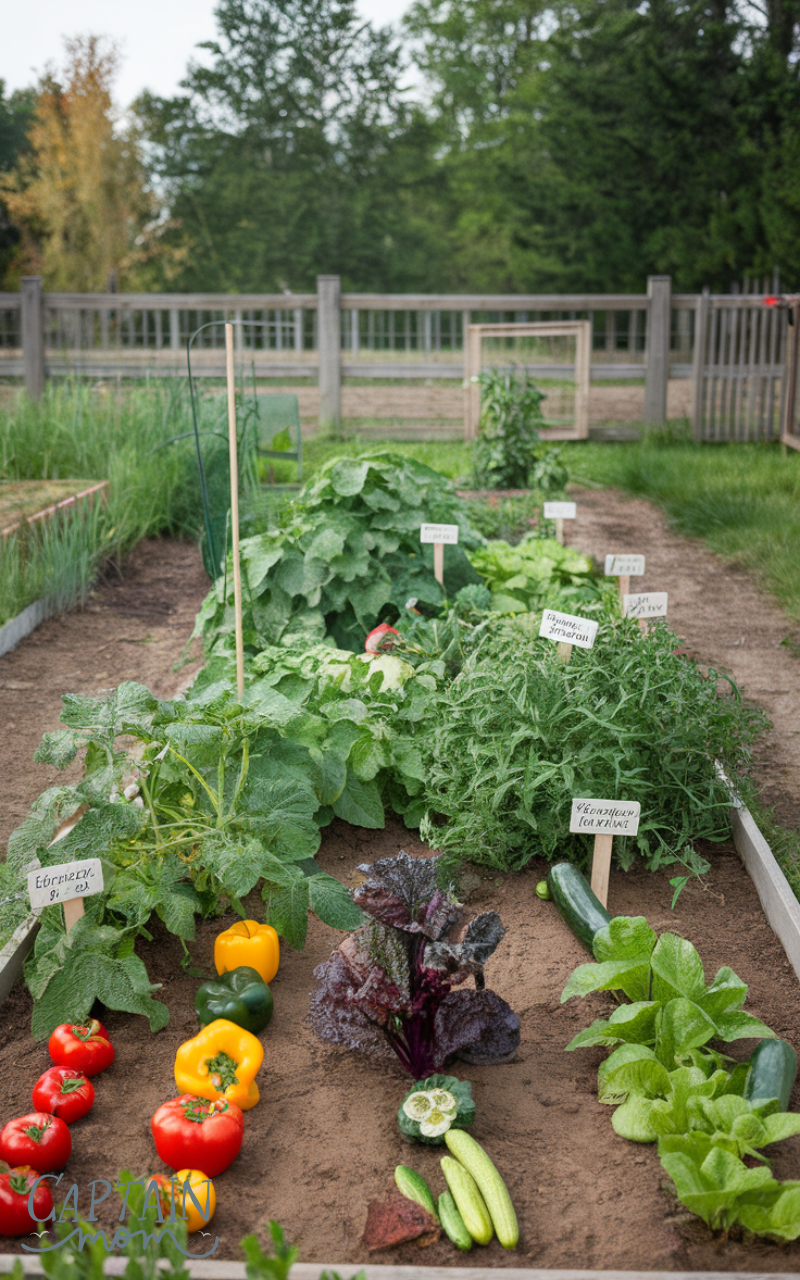
Starting with just one bed is often the best beginner vegetable garden layout. It keeps things simple and manageable. Beginners can focus on learning watering, spacing, and harvesting without feeling overwhelmed. This layout builds confidence and experience before expanding. It’s perfect for first-time gardeners.
1. Mixed Easy-Care Garden Layout
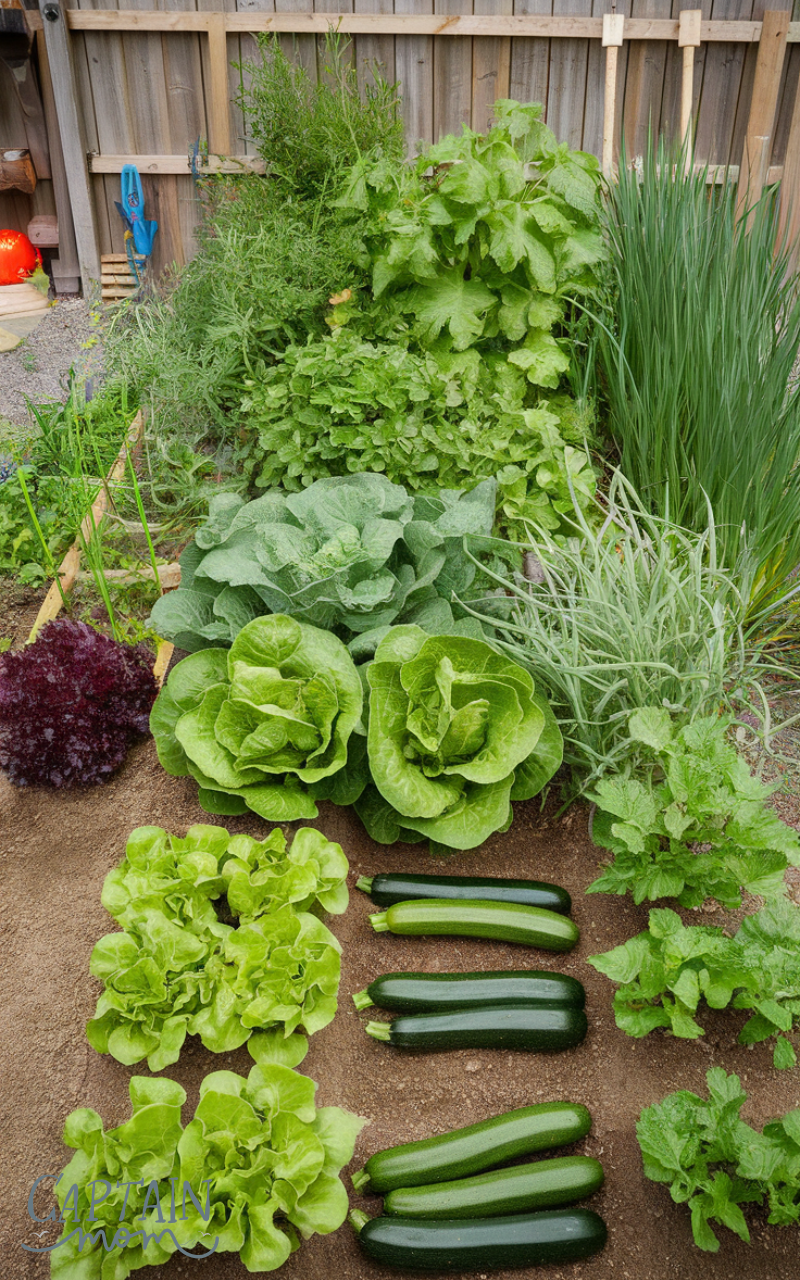
The best beginner vegetable garden layout combines easy vegetables like zucchini, lettuce, tomatoes, and herbs. Mixing reliable crops increases success and motivation. This layout is flexible, forgiving, and ideal for learning. Beginners enjoy steady harvests with minimal stress. It’s a great way to fall in love with gardening.
Conclusion: Start Strong with the Right Beginner Vegetable Garden Layout
Choosing the right beginner vegetable garden layout makes all the difference when starting your gardening journey. Simple, well-planned layouts help reduce mistakes, save time, and boost confidence. Whether you have a small balcony or a backyard, there’s a layout that fits your space and lifestyle. If you enjoyed this guide, subscribe to the blog for more easy gardening tips, beginner-friendly layouts, and practical advice to help your garden thrive season after season.

[…] the perfect time to step back, plan bed use, and think through spacing and rotation using a clear vegetable garden layout so spring planting feels organized instead of […]