

Spring garden planning always sneaks up on me faster than I expect. I’m in zone 8a, so February is when things get real. I start seeds indoors under shop lights, even though I have a greenhouse, because I like strong roots before plants face temperature swings. Planning early helps me stay ahead once life gets busy and the season takes off.
My spring garden planning process is simple and flexible. I focus on what actually grows well here, what my family eats, and how much space I truly have. I used to overcomplicate everything, but now I treat gardening the same way I treat Crockpot Recipes: low stress, good results, and systems that work even on busy days.
What makes Spring Garden Planning enjoyable is accepting that it doesn’t have to be perfect. Some seeds thrive, some fail, and that’s part of the rhythm. Each season teaches me something new, and as long as I’m learning and adjusting, the garden always gives back more than I expect.
14. Set Clear Gardening Goals
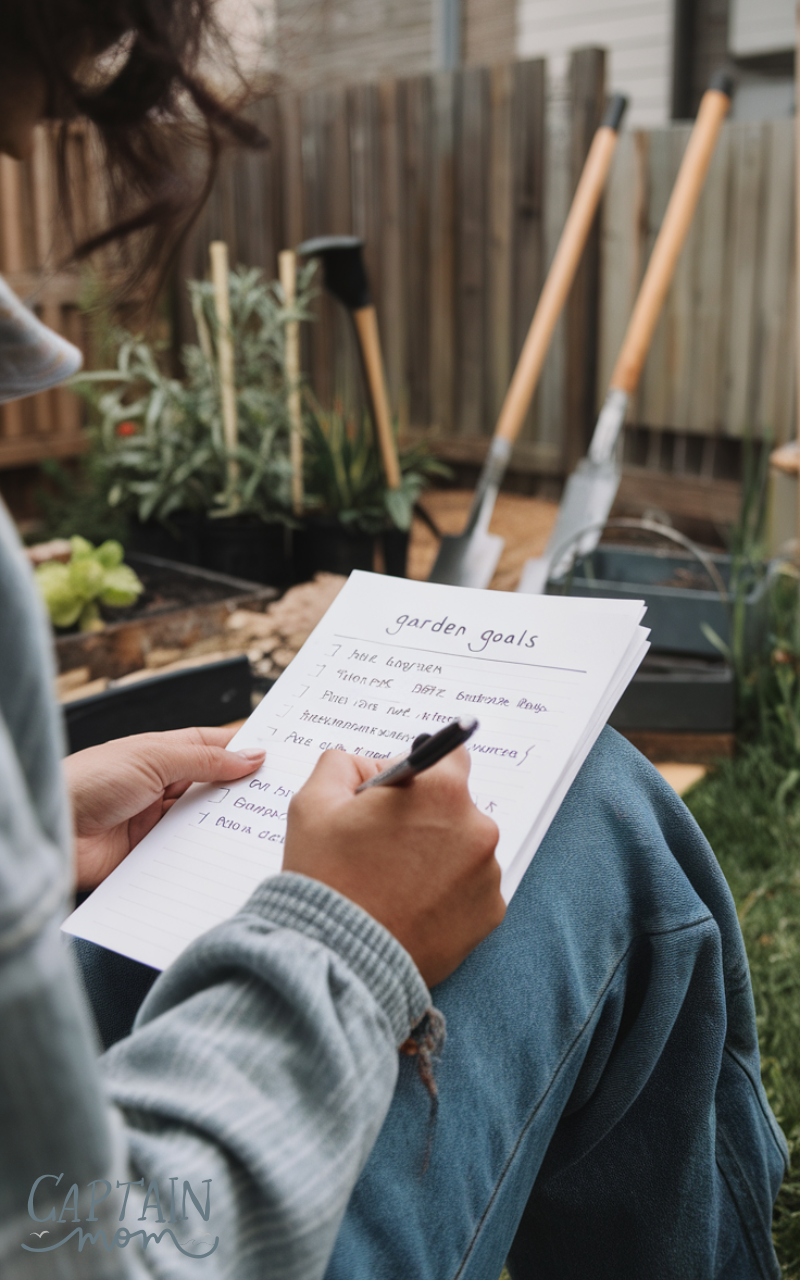
Early prep using spring garden planning for beginners starts with knowing what you want from your garden. Decide whether your goal is fresh vegetables, colorful flowers, herbs, or a mix of everything. Clear goals help you choose the right plants, plan your space wisely, and avoid buying unnecessary seeds. Writing your goals down keeps you focused and motivated, especially when the season gets busy. This simple step helps beginners feel organized and confident before planting even begins.
13. Choose the Right Garden Location
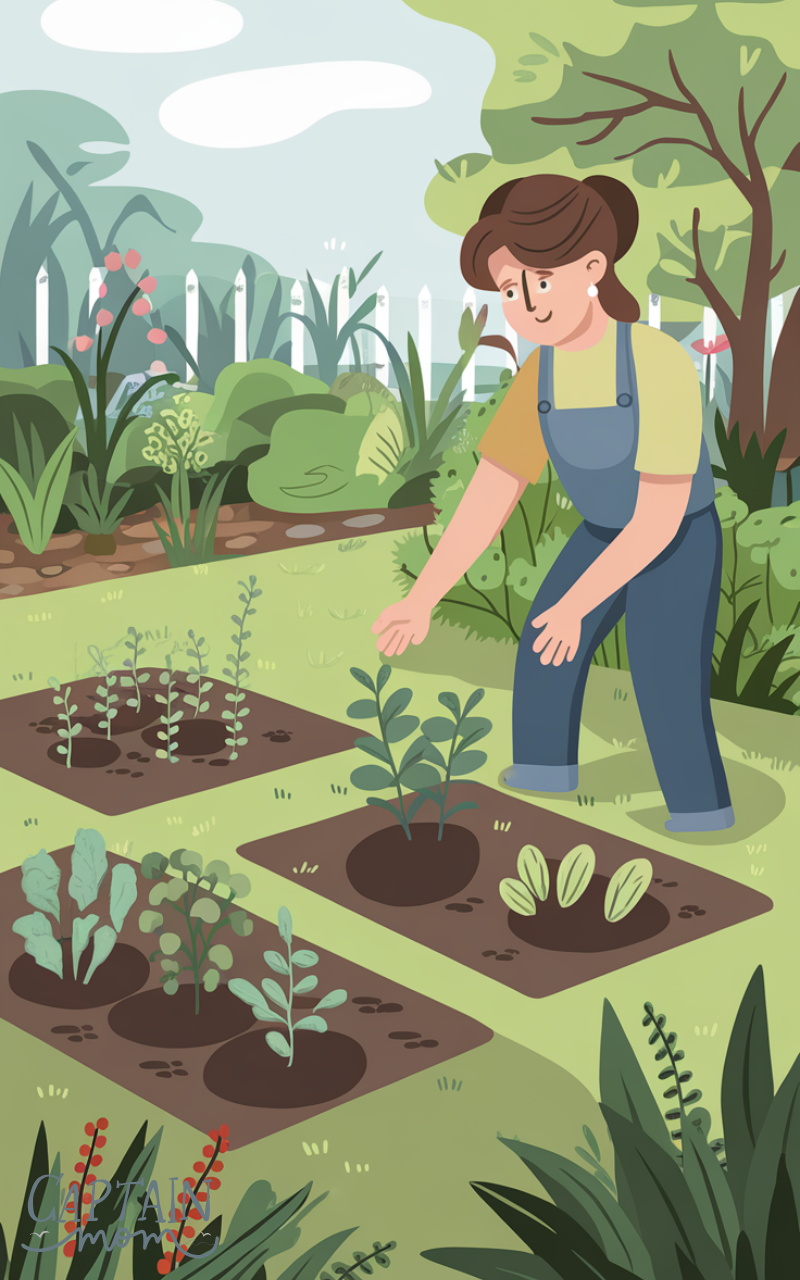
Selecting the right spot is a key part of early prep using spring garden planning for beginners. Most plants need plenty of sunlight, so observe your yard and note where the sun hits during the day. A good location also needs proper drainage and easy access to water. Beginners often overlook this step, but choosing the right place early prevents plant stress and poor growth later. A well-chosen spot makes gardening easier and more rewarding.
12. Test and Understand Your Soil
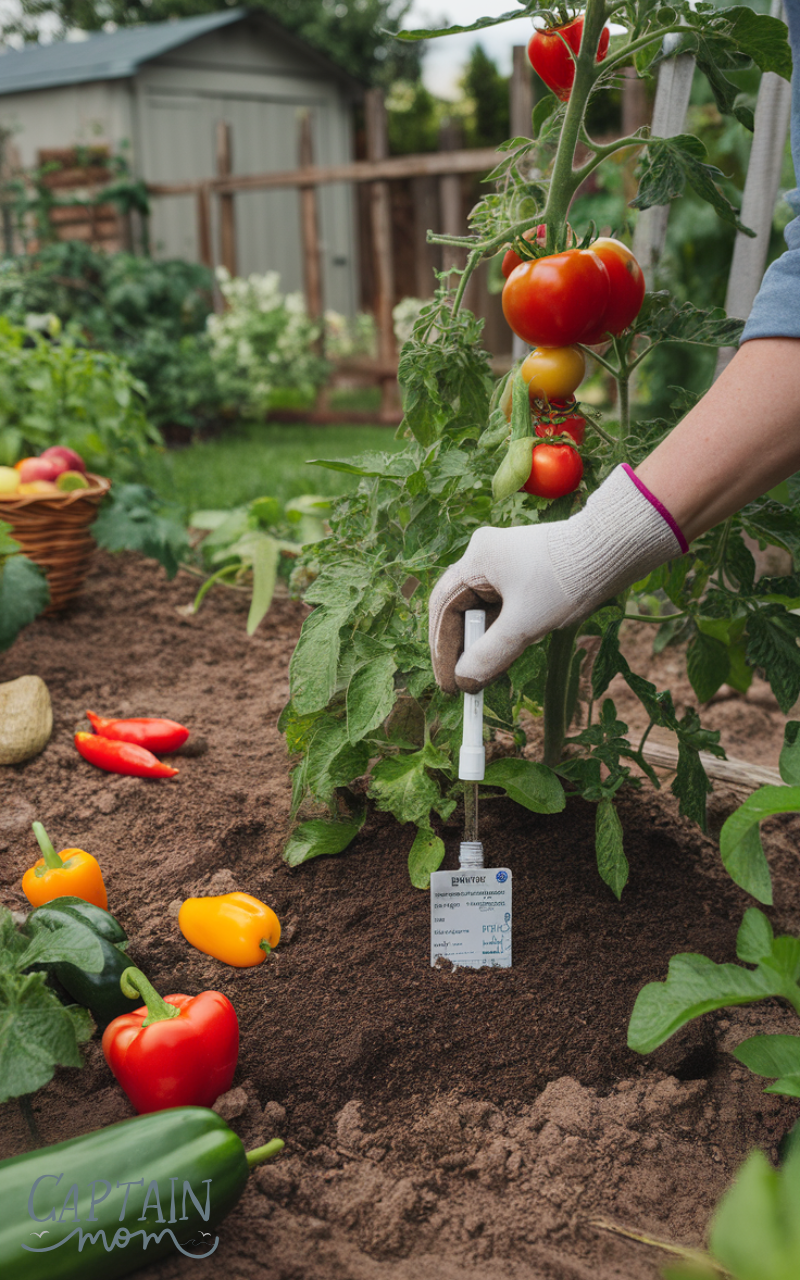
Soil quality plays a major role in gardening success, and early prep using spring garden planning for beginners includes understanding what your soil needs. Simple soil testing kits can help you learn if your soil is too sandy, clay-heavy, or lacking nutrients. Healthy soil supports strong roots and better harvests. Improving soil early gives your plants a strong foundation and helps beginners avoid frustration during the growing season.
11. Clean Up Your Garden Area
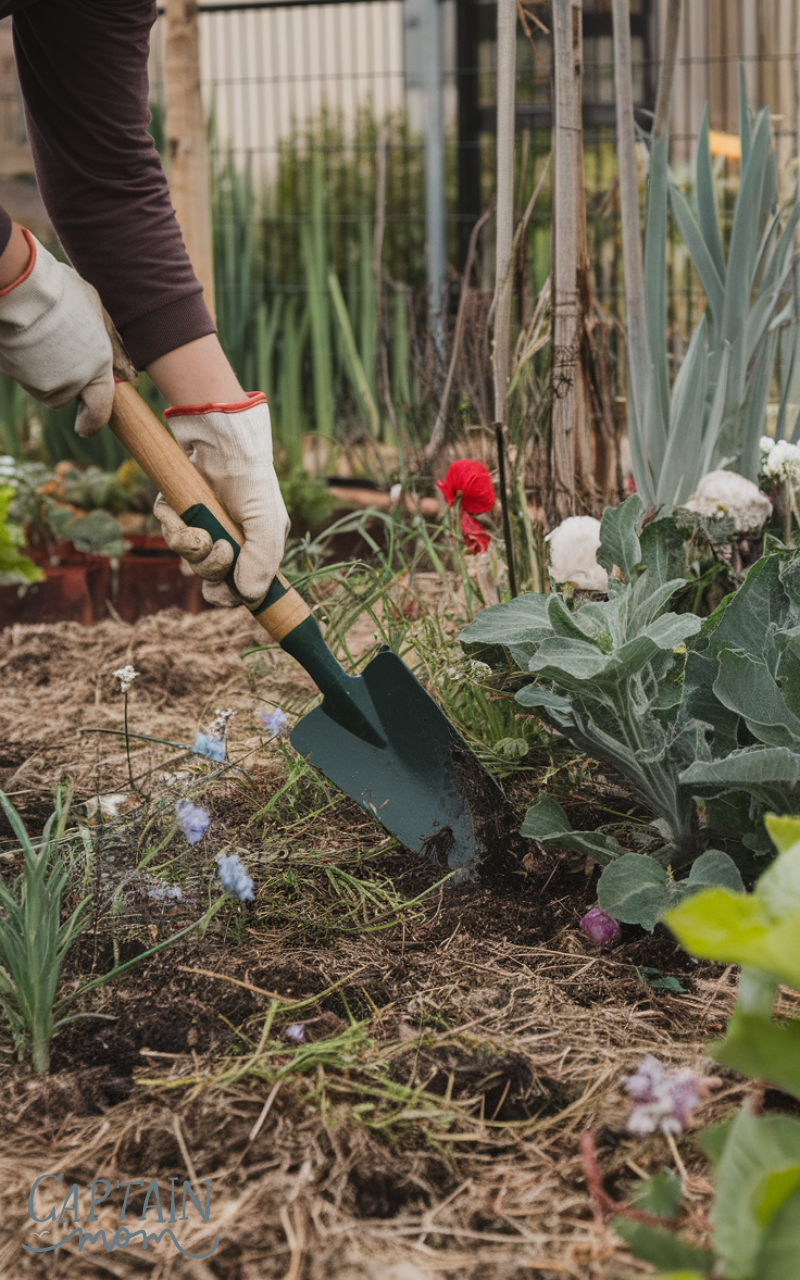
Cleaning your garden space is an essential step in early prep using spring garden planning for beginners. Remove weeds, dead plants, and debris left from winter. This prevents pests and diseases from spreading and gives your plants room to grow. A clean garden also helps beginners see their layout more clearly. Starting fresh creates a healthy environment and makes planting easier and more enjoyable.
10. Plan Your Garden Layout
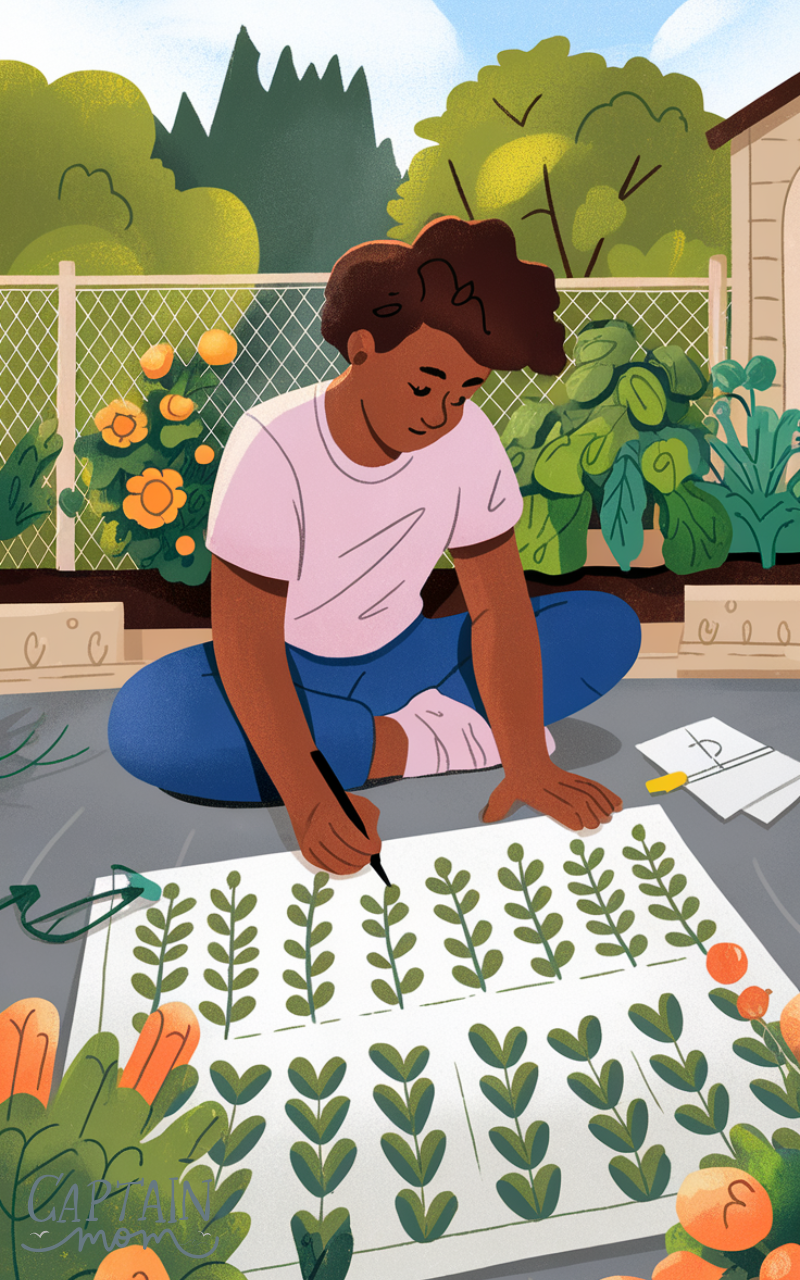
A thoughtful layout is a big part of early prep using spring garden planning for beginners. Sketching where each plant will go helps you avoid overcrowding and ensures plants get enough sunlight and airflow. This step also makes watering and harvesting more convenient. Planning early helps beginners use space efficiently and keeps the garden looking neat and organized throughout the season.
9. Select Beginner-Friendly Plants
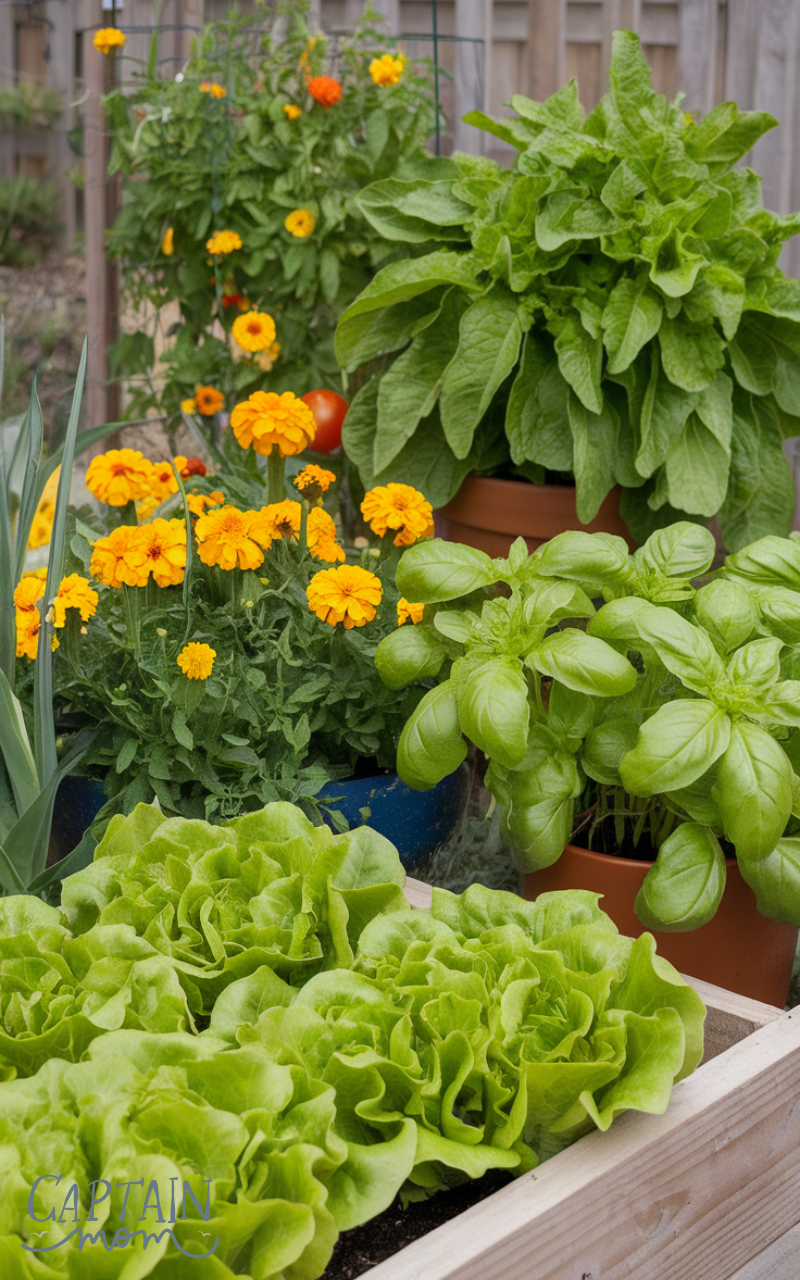
Choosing easy plants is crucial in early prep using spring garden planning for beginners. Start with vegetables and flowers known for being hardy and low-maintenance, such as lettuce, tomatoes, marigolds, or basil. These plants grow quickly and forgive small mistakes. Beginner-friendly choices build confidence and make gardening more fun, especially during your first spring season.
8. Create a Planting Schedule
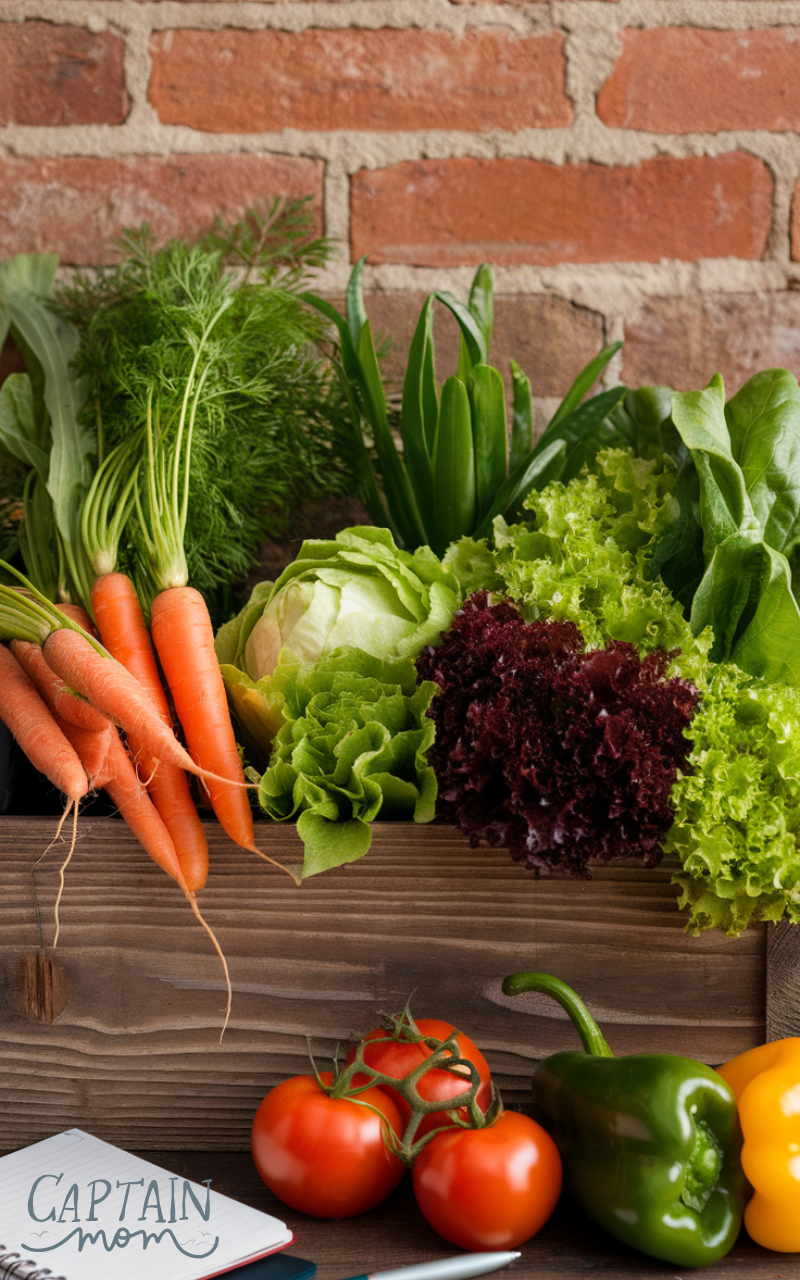
Timing matters, and early prep using spring garden planning for beginners includes knowing when to plant. Some seeds can be started indoors, while others should be planted after the last frost. A simple planting calendar helps beginners stay organized and avoid planting too early or too late. Planning your schedule in advance leads to stronger plants and better results.
7. Start Seeds Indoors
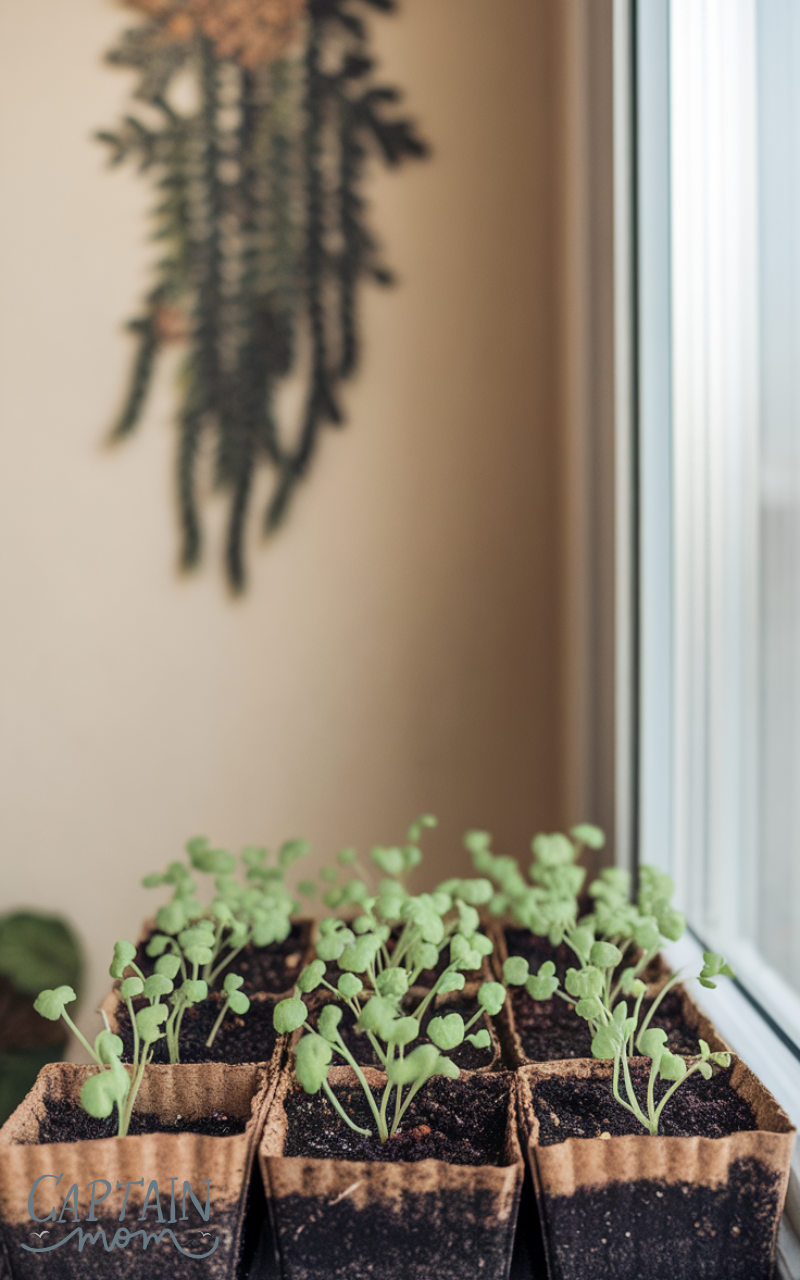
Starting seeds indoors is a smart move in early prep using spring garden planning for beginners. It gives plants a head start and protects them from unpredictable weather. Using simple containers and placing them near sunlight helps seedlings grow strong. This method is cost-effective and rewarding, especially for beginners who enjoy watching plants grow from the very beginning.
6. Gather Essential Gardening Tools
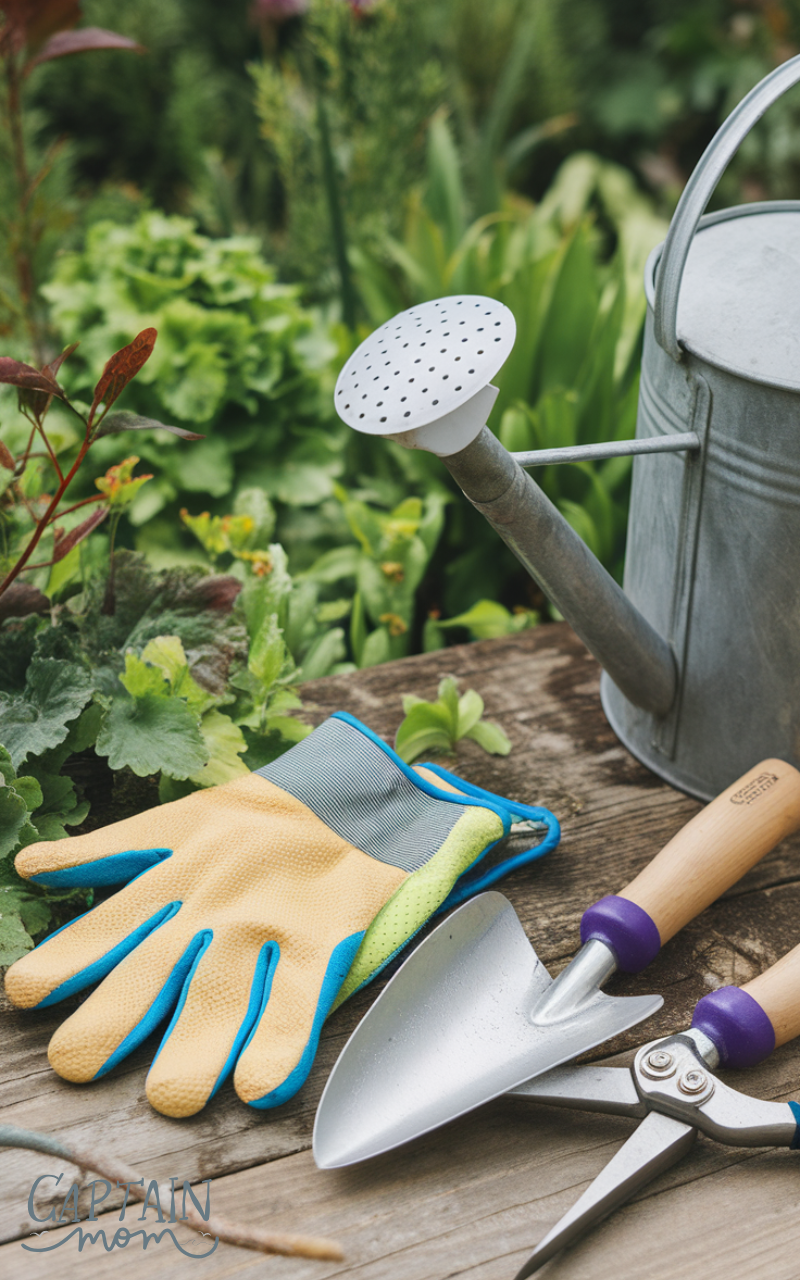
Having tools ready is an important part of early prep using spring garden planning for beginners. Basic tools like gloves, a trowel, pruning shears, and a watering can are usually enough. Preparing tools early prevents delays when it’s time to plant. Beginners benefit from keeping tools clean and organized, making gardening smoother and more enjoyable.
5. Plan Your Watering Strategy
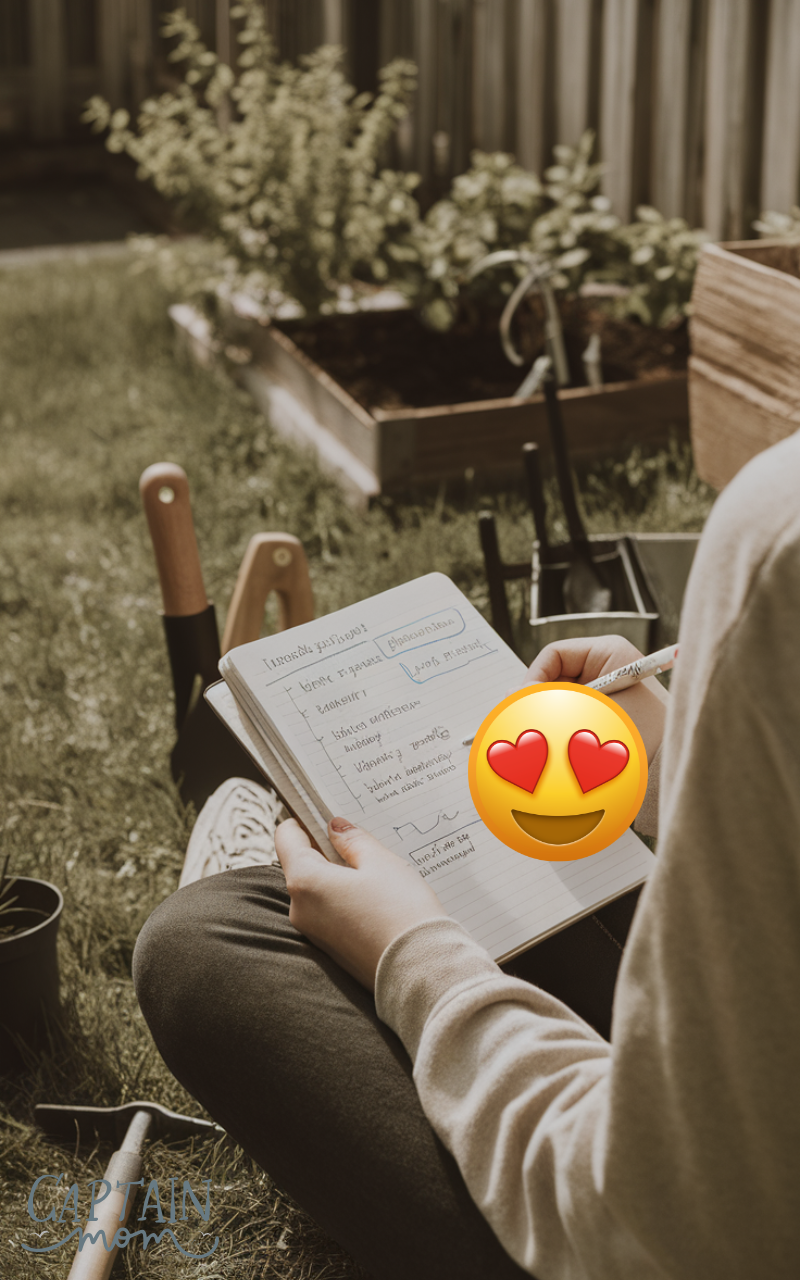
Watering is easier with a plan, and early prep using spring garden planning for beginners includes deciding how you will water your plants. Whether you use a hose, watering can, or simple drip system, consistency is key. Planning ahead helps prevent overwatering or underwatering. Beginners who plan watering early often have healthier plants and less stress.
4. Add Compost or Organic Matter
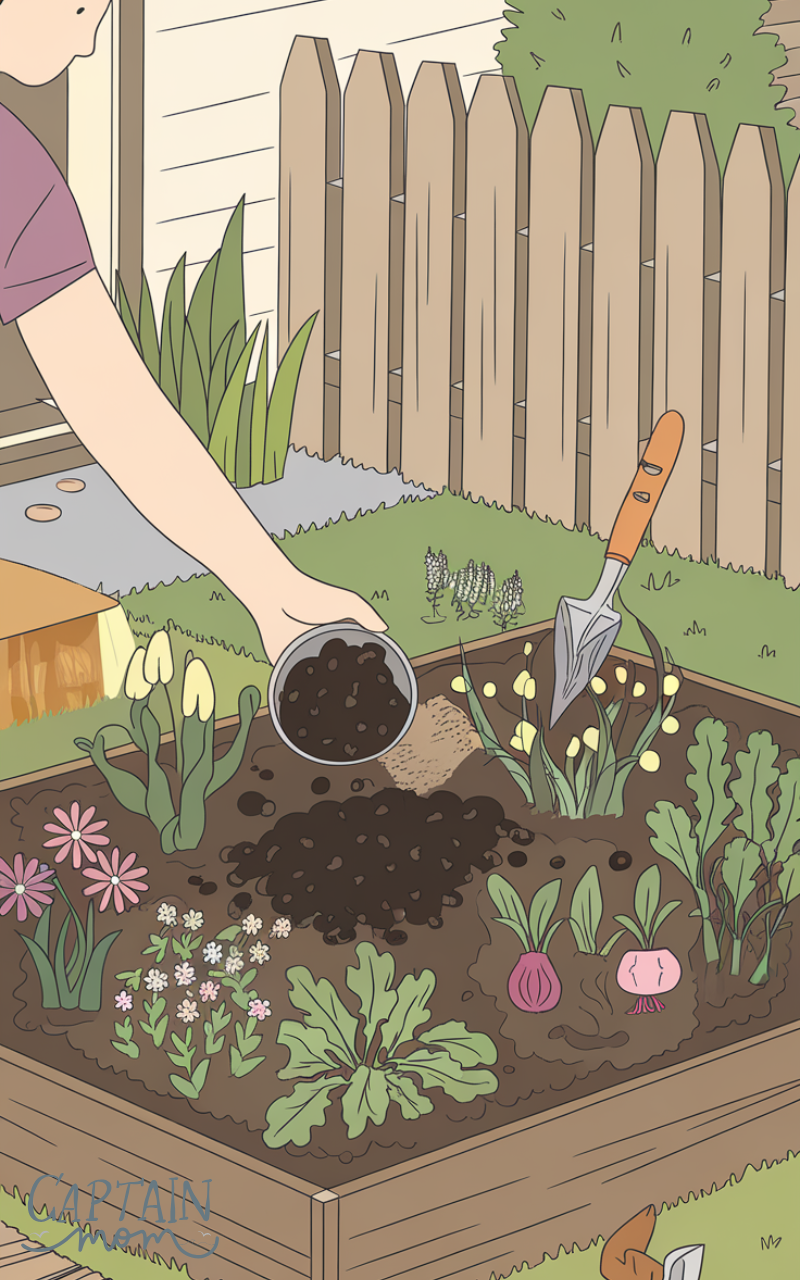
Improving soil with compost is a powerful step in early prep using spring garden planning for beginners. Compost adds nutrients and improves soil texture naturally. Adding it before planting gives soil time to settle and absorb nutrients. This simple habit helps beginners grow stronger, healthier plants without relying on chemical fertilizers.
3. Label Plants and Rows
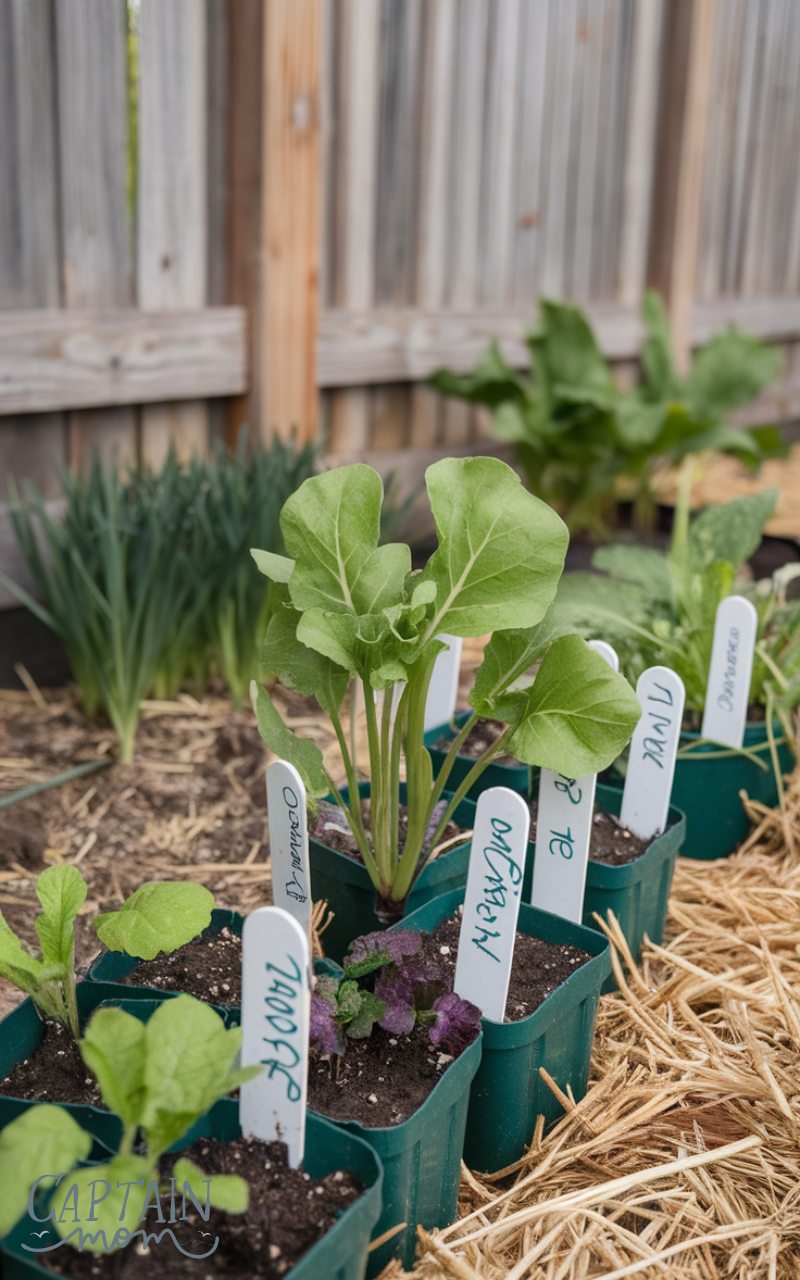
Labeling is often overlooked, but it’s very helpful in early prep using spring garden planning for beginners. Labels help you remember what you planted and where, especially when seedlings look similar. This prevents confusion and accidental removal of young plants. Clear labeling keeps beginners organized and confident as their garden grows.
2. Prepare for Pests Naturally
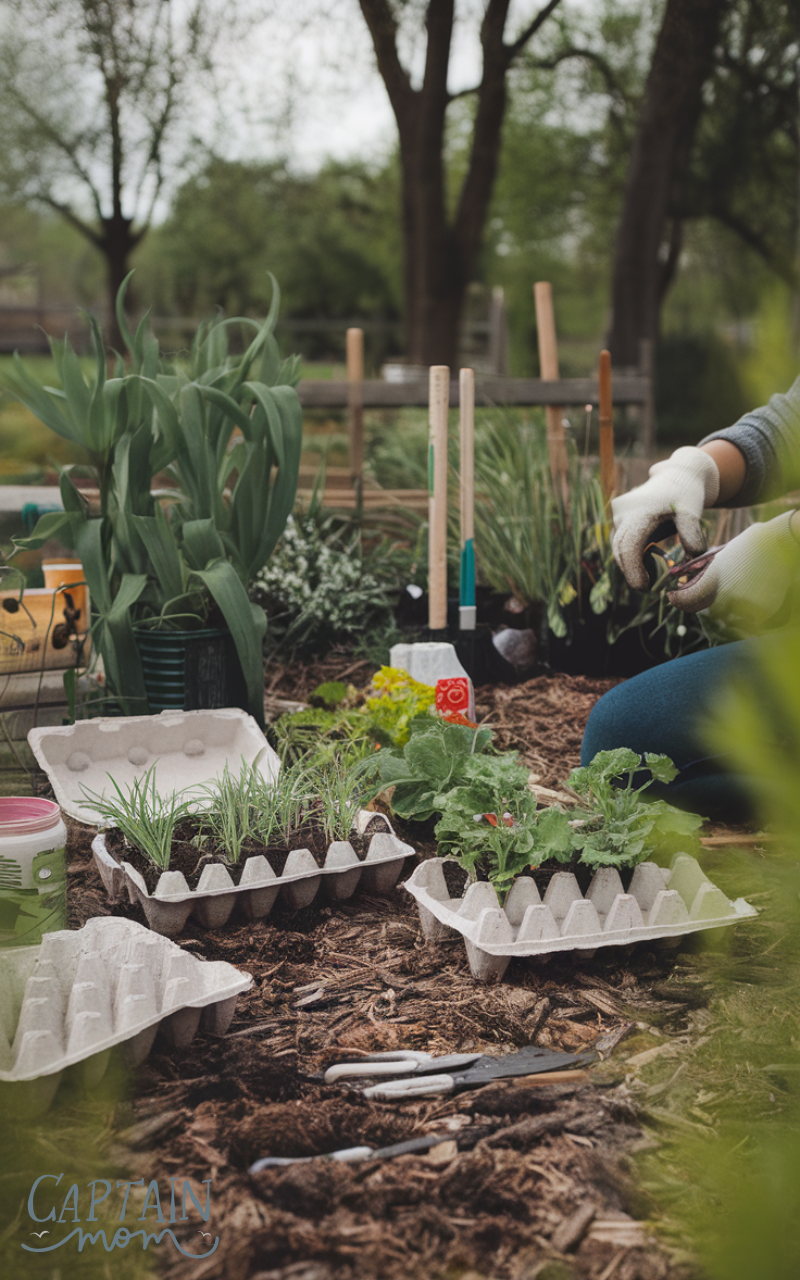
Early prep using spring garden planning for beginners includes thinking about pest prevention before problems start. Simple methods like companion planting, physical barriers, and regular inspection can reduce damage. Preparing early helps beginners avoid panic later and keeps plants healthy without harsh chemicals. A proactive approach makes gardening more enjoyable.
1. Stay Flexible and Learn as You Go
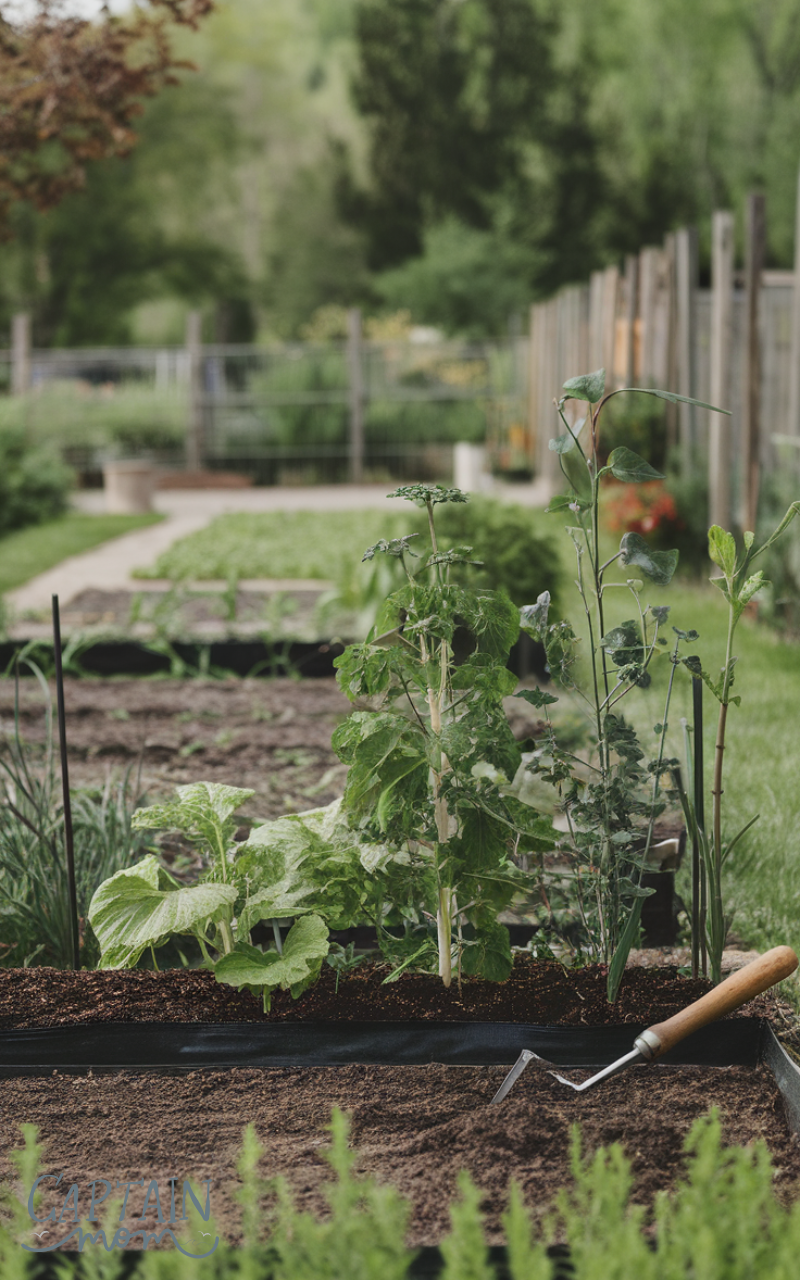
The most important part of early prep using spring garden planning for beginners is accepting that mistakes are part of learning. Weather changes, plants fail, and surprises happen. Staying flexible and observing your garden helps you improve each season. Beginners who learn from experience grow not only better plants but also stronger confidence and enjoyment.
Conclusion: Start Strong with Early Prep Using Spring Garden Planning for Beginners
Early prep using spring garden planning for beginners is the key to a successful, stress-free gardening season. By planning ahead, choosing the right plants, and preparing your soil and tools early, you set yourself up for healthy growth and great results. Gardening becomes more enjoyable when you feel prepared and confident.
If you found this guide helpful, subscribe to my blog for more beginner-friendly gardening tips, seasonal planning ideas, and simple advice to help your garden thrive all year long.

[…] makeovers is how they connect outdoor spaces to everyday life. The same mindset I use during spring garden planning applies here too, plan for how the space will actually be lived in, not just how it looks on day […]